14 Ekim 2026
kapalı


Gang frees detained member after seizing hostages in Morelos; authorities race to secure the area amid rising violence and public fear.
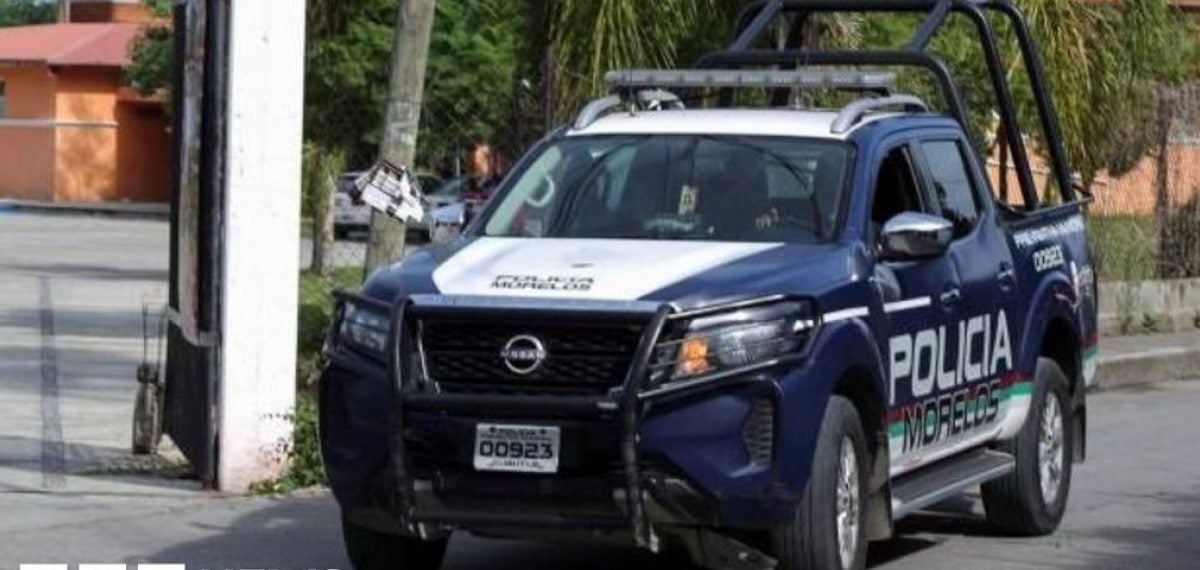
In Morelos, central Mexico, members of the Pueblos Unidos gang seized three employees of the state attorney-general’s office to pressure officials into freeing one of their senior members whom authorities had arrested earlier that day.
The attorney-general’s office confirmed it had detained a suspect during an anti-extortion operation. Soon after, the gang responded by taking hostages from the same office, demanding the immediate release of their colleague.
The office ultimately released the arrested gang member to protect the lives of its staff, while emphasizing that the kidnapping would be pursued and punished under the law. By Monday evening all three employees were freed; one was hospitalized with a gunshot wound but was reported in stable condition.
Authorities said their decision followed official guidelines prioritizing the safety of kidnap victims. Such compromises are not without precedent: Mexican criminal groups have escalated violence to force releases in past high-profile cases.
Notably, in 2019, the arrest of Ovidio Guzmán prompted hundreds of armed men from the Sinaloa cartel to attack the city of Culiacán, setting roadblocks and engaging security forces—an outbreak of violence that led then-President Andrés Manuel López Obrador to order Guzmán’s release to avoid further civilian casualties. Guzmán was later recaptured and extradited in 2023.
More recently, the killing of Nemesio “El Mencho” Oseguera triggered retaliatory attacks across 20 states, prompting President Claudia Sheinbaum to deploy thousands of soldiers to restore order.
These episodes underscore a recurring dilemma: security operations against organized crime can provoke violent reprisals that put civilians and public servants at immediate risk, forcing authorities to weigh enforcement against the imperative to protect lives.