15 Ekim 2026
hafif yağmur

Qatar details resilience measures and economic pivot strategies to navigate regional crisis, ensuring stability and growth amid geopolitical tensions.
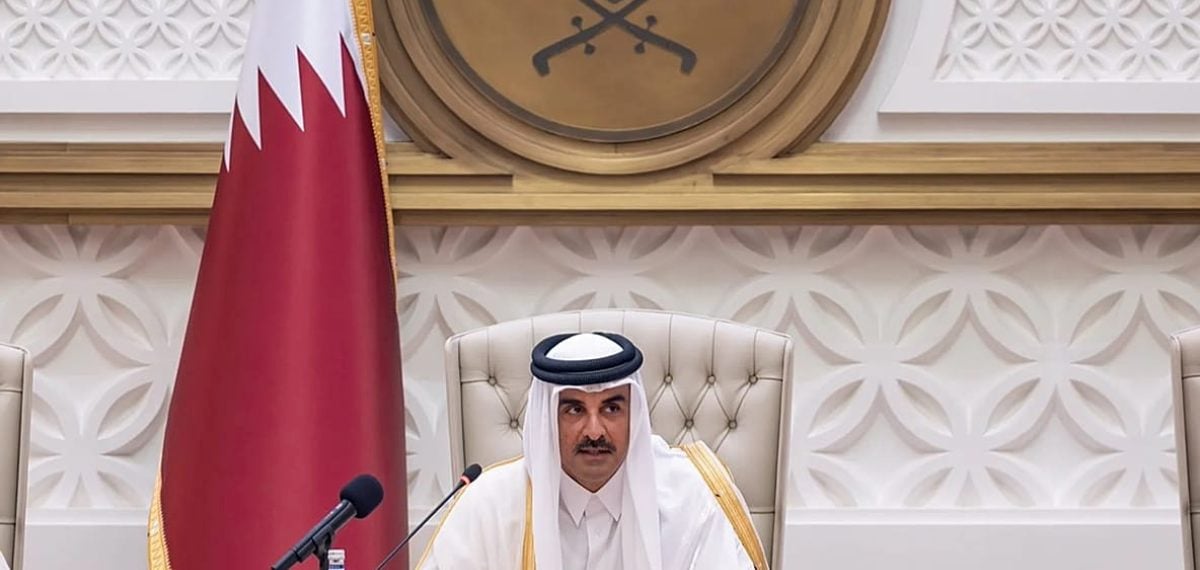
Doha — Qatar’s Emir Sheikh Tamim bin Hamad Al Thani opened the Shura Council’s annual session by describing how the country managed the consequences of regional hostilities and by laying out strategic priorities focused on national resilience and economic diversification.
Sheikh Tamim said Qatar defended its sovereignty after what he described as an attack on its territory by Iran, characterizing the incident as a breach of international law and neighborly principles. He emphasized Qatar’s preference for negotiation and peaceful resolution while stressing the country’s right to defend itself and its determination to avoid a wider war.
The emir called for greater cooperation among Gulf Cooperation Council states to secure navigation in the Gulf and the Strait of Hormuz and to protect energy, water and civil infrastructure. He also summarized Qatar’s simultaneous responsibilities during the crisis: defending sovereignty, maintaining its role in energy security and the global economy, and keeping diplomatic channels open.
Sheikh Tamim detailed the economic impact of the crisis, noting the closure of the Strait of Hormuz and damage to some energy facilities in Ras Laffan Industrial City disrupted a significant portion of exports and affected global markets. He said Qatar absorbed the shock by accelerating growth in non-hydrocarbon sectors, which reached approximately 80% of real GDP, and by maintaining foreign direct investment stock growth.
The emir reported that total revenues declined by 42% in the first half of the year while public expenditure fell by 14%, and he said essential services and development priorities were preserved. He credited pre-crisis policies — strengthening reserves, reducing public debt, conservative budget assumptions for oil prices and developing non-oil revenues — with enabling the state to withstand the repercussions.
Looking ahead, Sheikh Tamim described the recovery as an opportunity to accelerate economic diversification and strengthen national capabilities rather than returning to the pre-crisis status quo. He reaffirmed plans to expand LNG production through the North Field Gas project, progress the Golden Pass project in the United States, increase QatarEnergy’s investments and partnerships, and develop petrochemical, solar and water security projects, alongside investments in food security, agriculture, technology, education and digital transformation.
On foreign policy, Sheikh Tamim reiterated Qatar’s focus on the Palestinian cause, calling the situation in the Gaza Strip a genocide and urging accountability. He warned about settler attacks in the West Bank and repeated raids on the Al-Aqsa Mosque, citing violations of international law and humanitarian norms. He also reaffirmed Qatar’s mediation role in political agreements involving Sudan, Libya, Yemen and Somalia.
Qatar’s response strategy combined defense, economic continuity and diplomacy to manage immediate shocks while preserving long-term priorities. The rapid shift toward non-hydrocarbon sectors and measures to protect essential services indicate a deliberate effort to reduce vulnerability to regional disruptions. Emphasizing projects to increase LNG capacity alongside investments in renewables, water and food security signals a dual approach of safeguarding current energy roles and building broader resilience. Qatar’s vocal stance on Gaza and ongoing mediation efforts reflect a sustained diplomatic posture amid regional tensions.