27 Ağustos 2026
açık


Fuel shortages disrupt Moscow after officials blame Ukrainian strikes; President Putin addresses the crisis and outlines government response.
What happened? Fuel queues and station closures due to shortages have appeared across Moscow; who explained the situation was President Vladimir Putin and Russian authorities speaking publicly in recent days; when it emerged is in the context of ongoing attacks over the past weeks and statements from state media this week; and the most important result is that shortages are disrupting daily life and prompting government measures to increase imports and subsidise fuel.
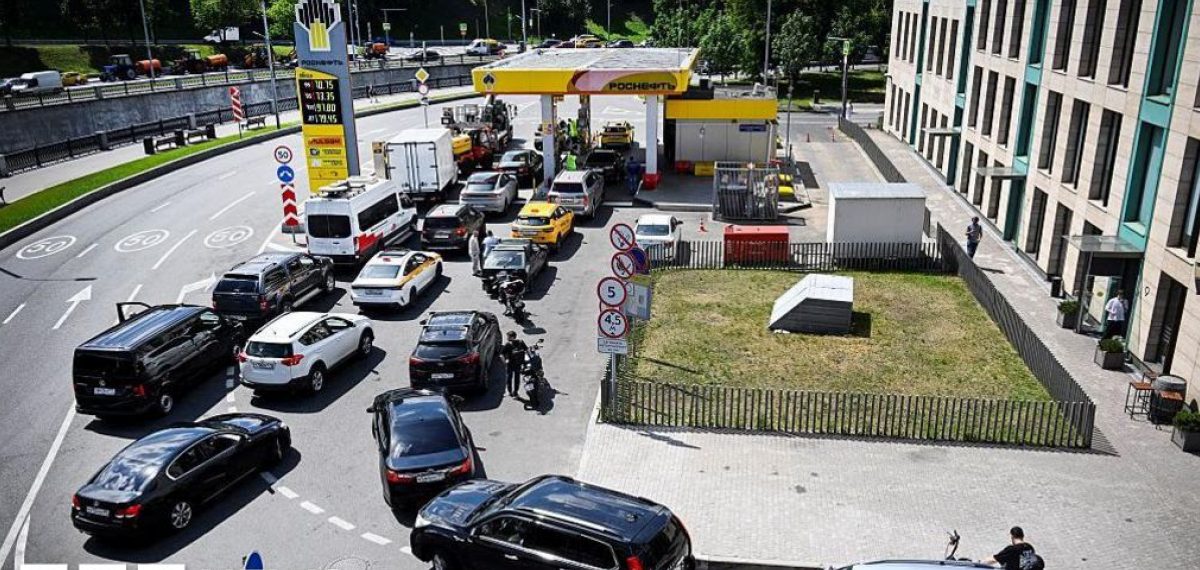
Drivers across Moscow encountered long queues at petrol stations, while some garages had closed after running out of petrol and diesel. The shortages were visible even in the capital, which traditionally draws on the country’s oil resources.
Commuters expressed frustration rather than anger. Yekaterina said there was “panic because everybody thinks there will be no oil” but called for reorganising distribution, while Elmar and Valery highlighted rising prices, wasted time and the strain of queuing in a major oil-producing country.
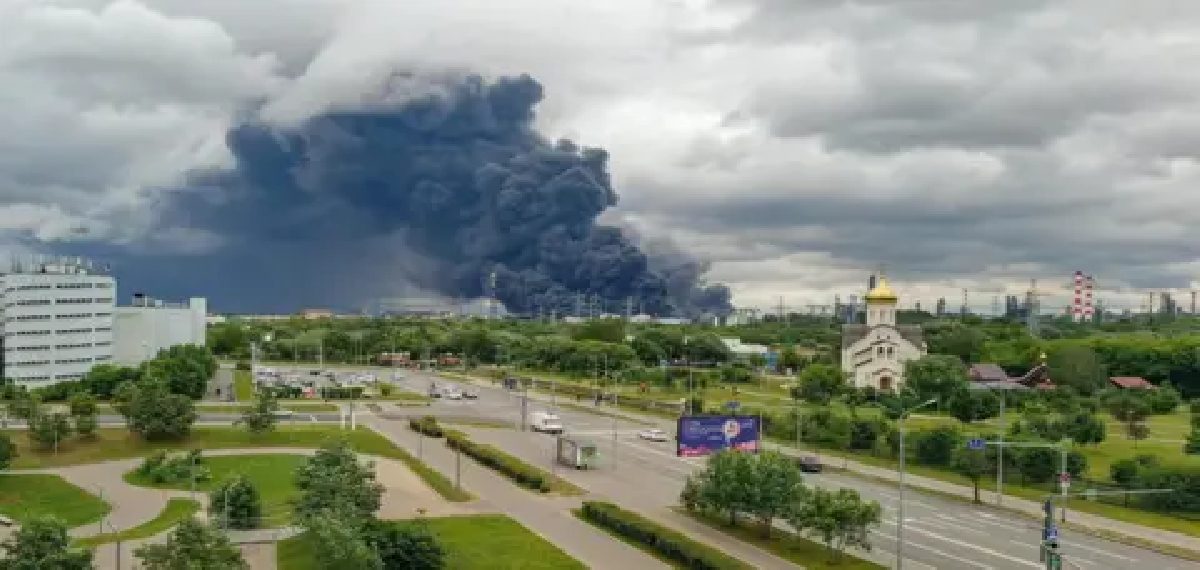
The authorities and officials point to Ukrainian drone and missile strikes on Russian oil refineries, including facilities near Moscow, as a key cause. Those attacks, together with internet restrictions that limit information flow, have compounded the supply problem.
Russia’s refining capacity has struggled to meet domestic demand despite the country’s large oil production. In response, officials have begun increasing fuel imports, subsidising prices and permitting the sale of lower-grade fuel that some experts warn could damage engines.
Public concern is widening: social media shows long tailbacks and occasional fights; local measures include rationing, bans on jerry cans, Cossack patrols in Anapa to keep order, and even portable toilets for queuing drivers in Siberia. Some regions have reduced bus services and rubbish collection, and farmers fear impacts on the summer harvest.
President Putin addressed the shortages on state television, acknowledging Ukrainian strikes were “creating problems” but calling the situation “not critical.” He has also met military commanders and ordered analysis of European allies’ involvement in combat actions, a move noted by diplomatic observers.
Polls indicate the shortages may be affecting public opinion. Levada Center data showed Putin’s approval around 74% and a fall in the share of Russians saying the country is heading in the right direction to 52% from 61% in May; Gallup and VCIOM reported rising pessimism and a recent drop in trust.
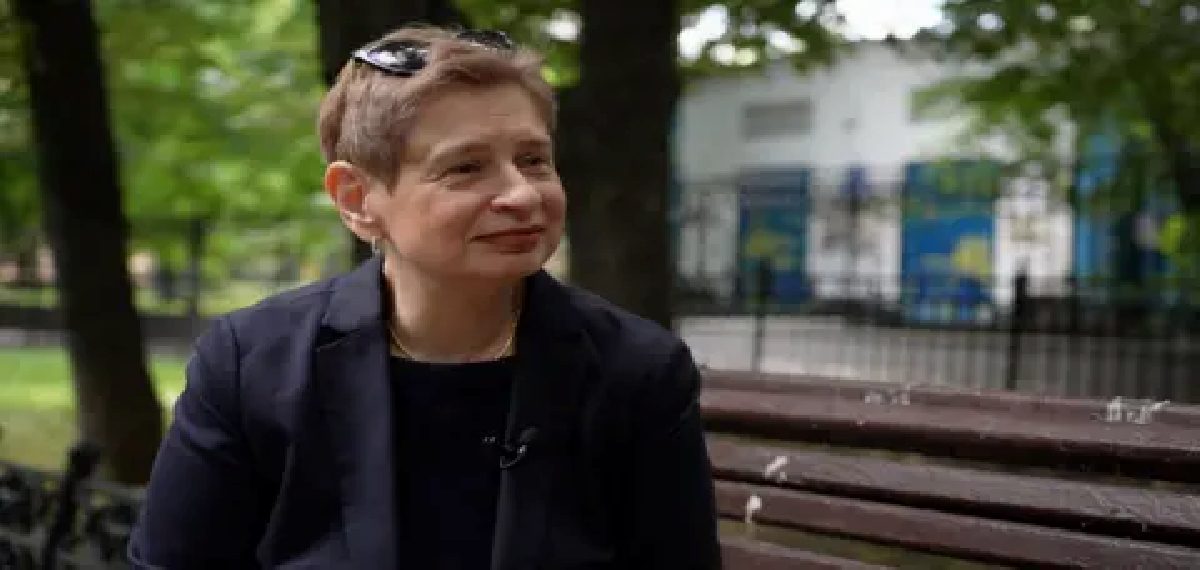
Analysts warn of economic consequences: Christopher Weafer of Macro Advisory called the crisis a potential “game-changer” for growth, noting the full statistical impact may appear in coming months. Nina Khrushcheva said public anger and resignation coexist but doubted shortages would force Putin to change course; she suggested pressure could harden his stance instead.
The government’s immediate steps aim to mitigate shortages and public discontent, but officials and analysts alike caution that the situation could worsen while military strikes and logistical constraints continue to affect refinery output and fuel availability.