01 Eylül 2026
açık


Former detainees identify alleged Izolyatsia torturers in occupied Donetsk, exposing abuses and aiding accountability efforts.
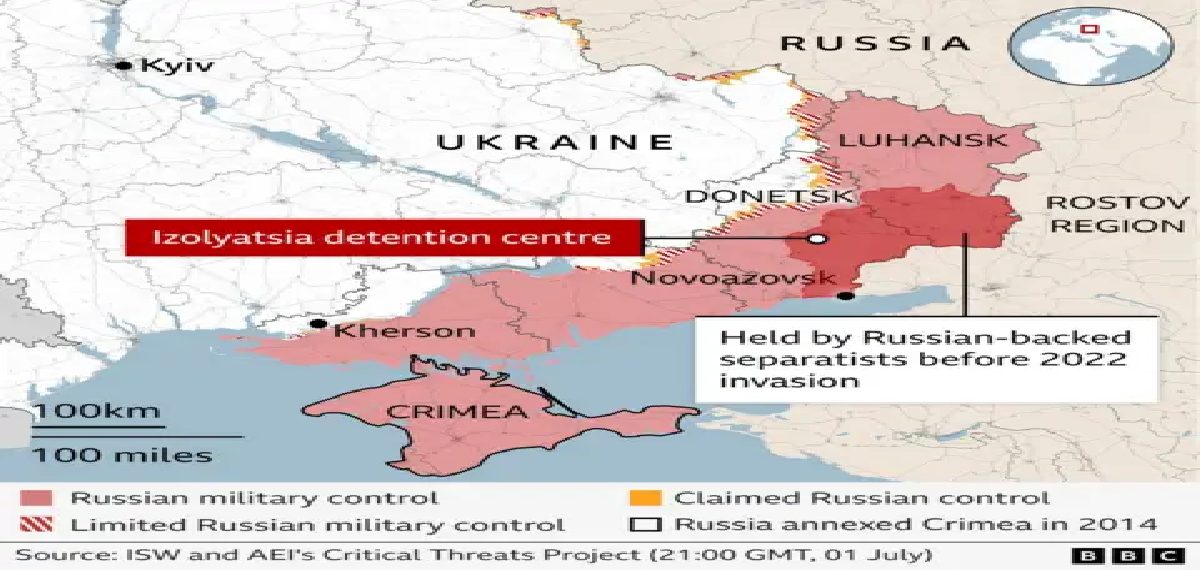
What happened, where, who said it, when and the main outcome: Former detainees and a BBC World Service investigation say that civilians held at Izolyatsia, a detention centre in occupied Novoazovsk/Donetsk, suffered systematic torture and sexual violence between 2014 and 2022, with survivors identifying alleged perpetrators now believed to live in Russia and occupied territories; Ukrainian prosecutors have opened criminal proceedings and reported some prosecutions and sentences, while many accused remain at large.
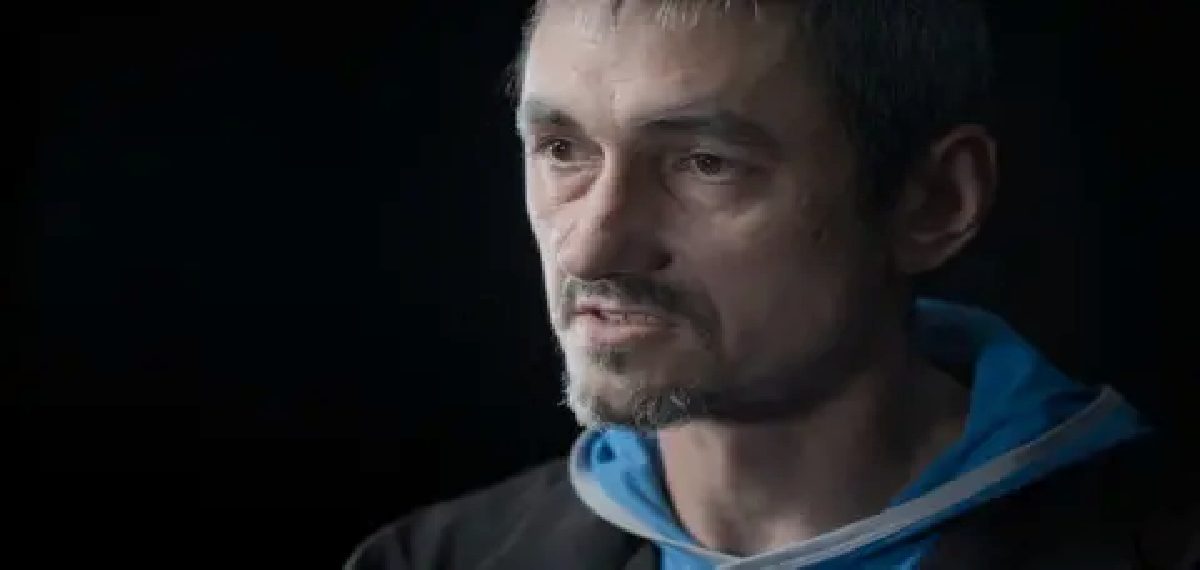
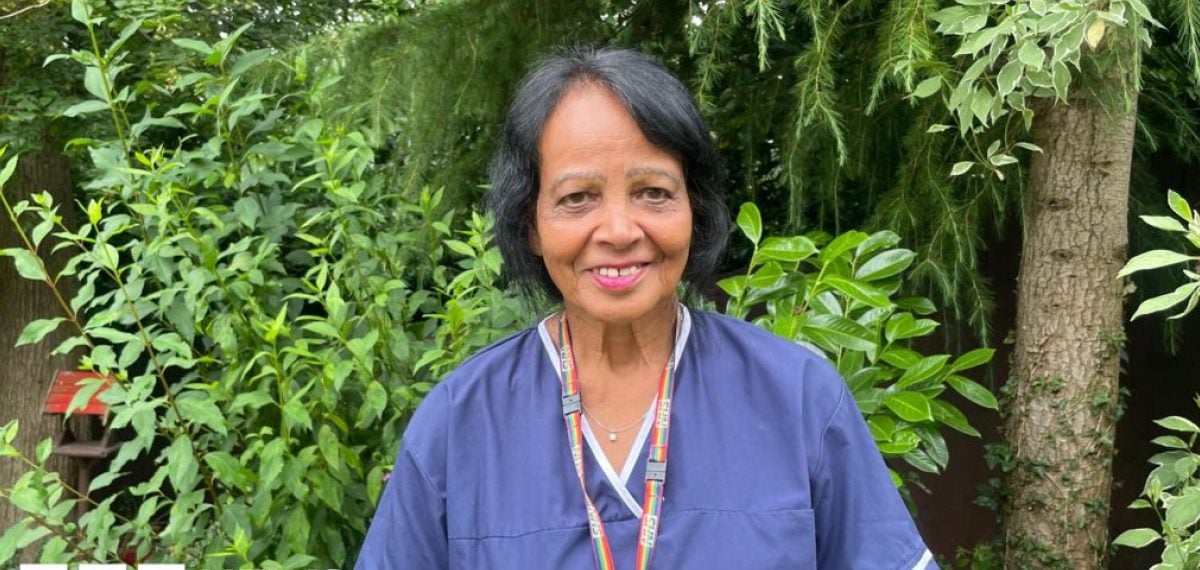
Survivors, including 64-year-old Liudmyla Huseinova, gave detailed testimony about arbitrary arrest, repeated beatings, sexual assault and degrading treatment at Izolyatsia after Russian-backed forces took control of parts of Donetsk from 2014 onward.
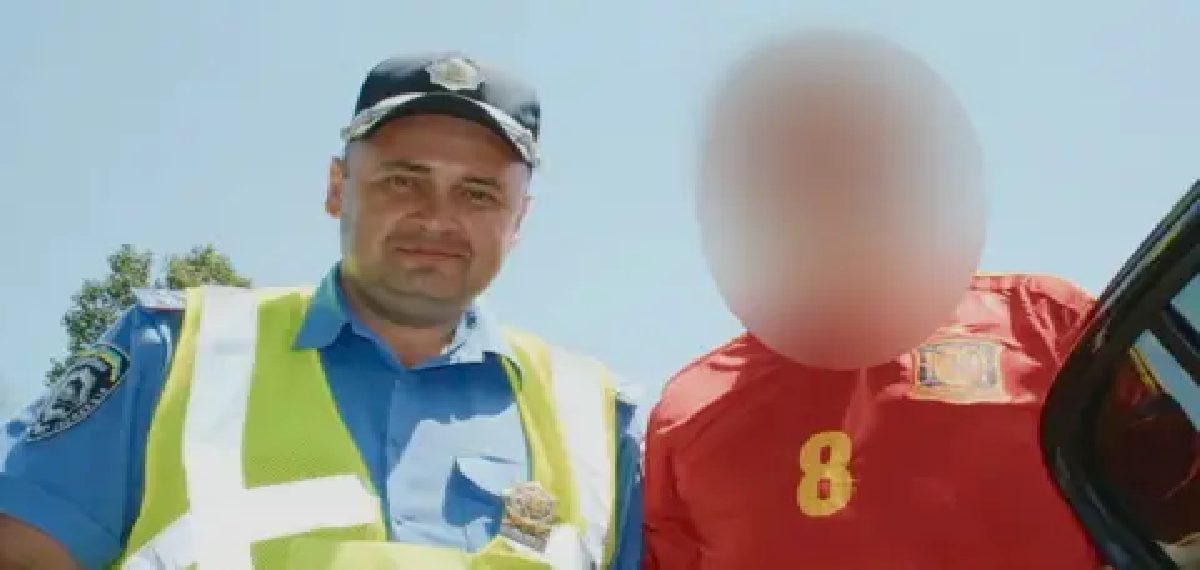
Huseinova says she was detained in October 2019, held under constant lights and forced to stand for long hours, and witnessed other prisoners’ screams. She identified a man she knew from before 2014 as Yurii Temerbek, and accused him of presiding over abuse and watching an assault two weeks into her detention.
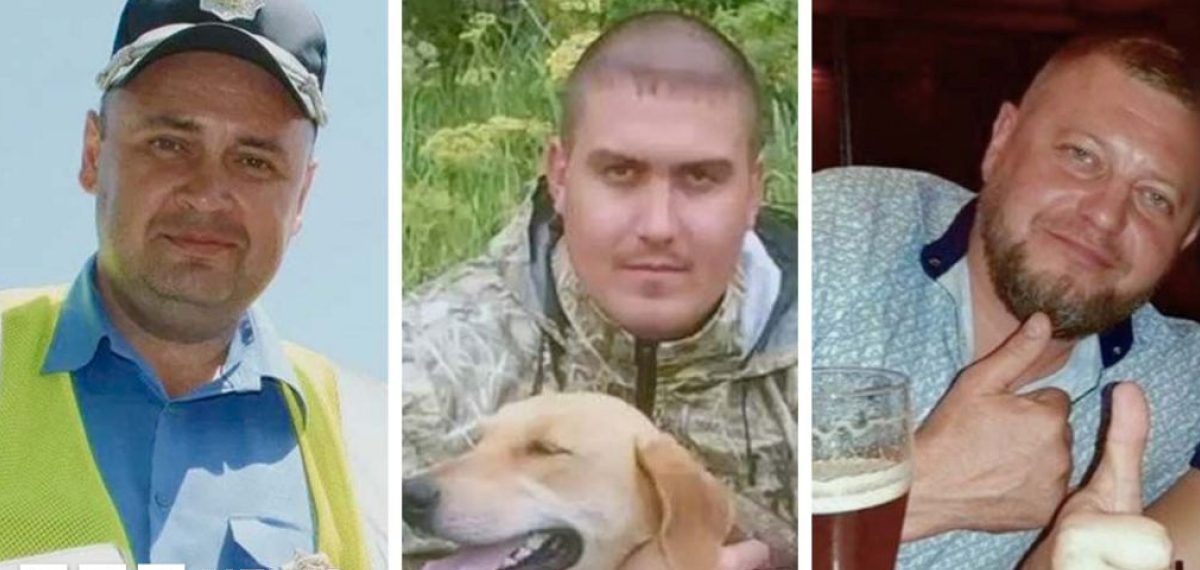
Investigations by the BBC with open-source researchers and groups such as Truth Hounds corroborated elements of survivor accounts using testimony, social media imagery and prosecutorial documents to identify several alleged guards.
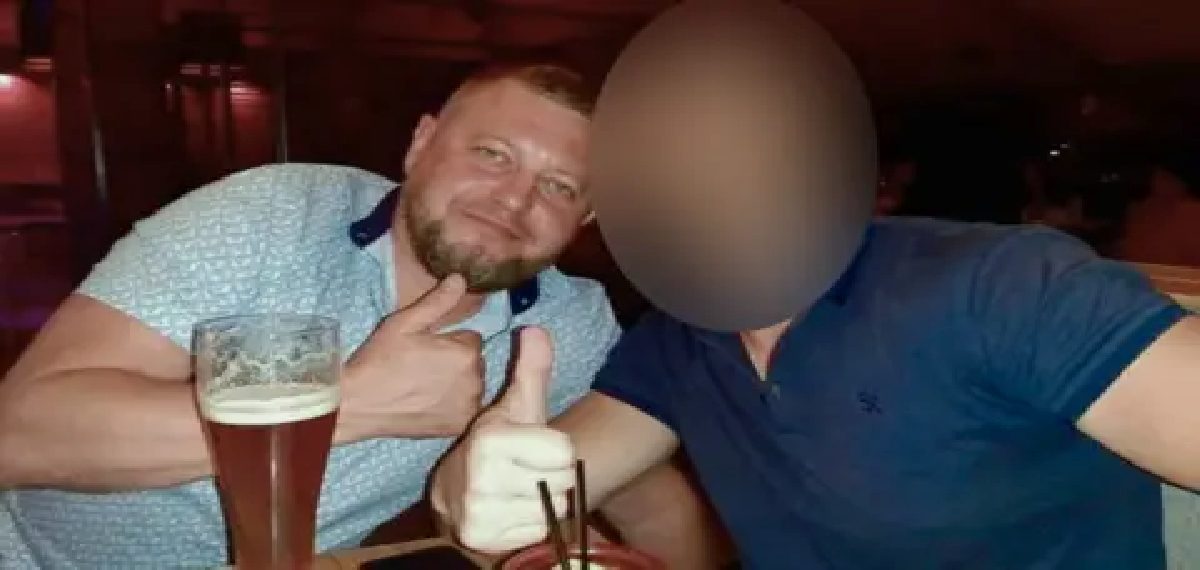
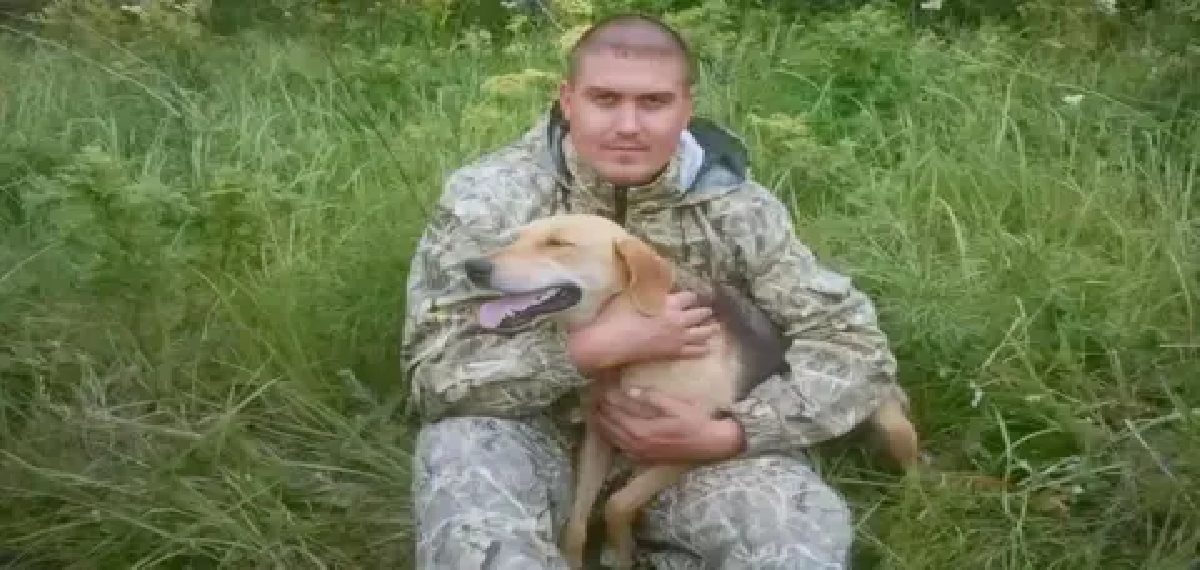
Among those named are Yurii Temerbek, formerly a local traffic policeman; Ruslan Yeriomichev, identified earlier by Bellingcat and journalist Stanislav Aseyev and accused by prosecutors of cruel treatment; and Andrey Spivak, accused of running a Kherson detention facility and charged with violations of the laws of war.
Open-source researchers located social media profiles and images suggesting Temerbek, Yeriomichev and others live with families in the Rostov and occupied regions and in some cases hold Russian passports. The BBC was unable to reach the accused for comment and the Russian embassy denied the allegations while saying Russia respects international law.
Ukrainian prosecutors say more than 16,000 civilians have been taken captive or disappeared since 2014, and documented roughly 2,000 people held in detention centres since Russia’s full-scale invasion in 2022. The BBC mapped 93 alleged detention sites in occupied Ukraine between 2023 and 2025 and identified another 102 in Russia.
Survivors describe methods of ill-treatment including beatings, electric shocks, mock executions and sexual violence. The UN human rights office (OHCHR) has said torture and ill-treatment in these centres is “systematic and widespread,” while Russia has rejected such findings.
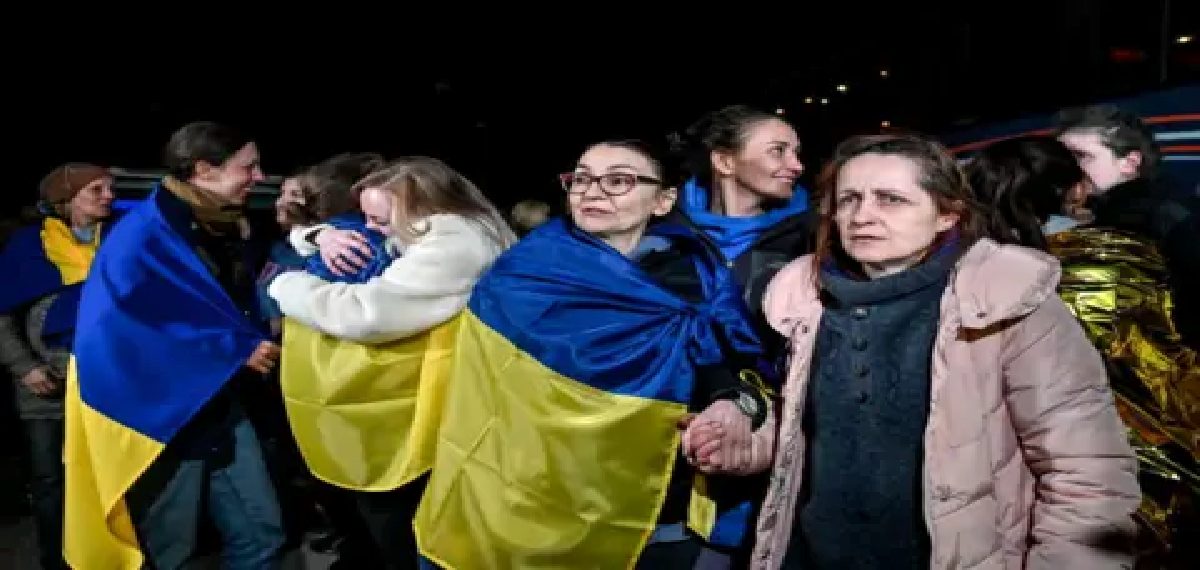
Liudmyla was released in a prisoner exchange in October 2022 and now lives in Kyiv, where she helps other former detainees and supports parcels to those still in captivity. She and other survivors call for legal accountability and say naming alleged perpetrators is a step toward justice.
Ukrainian prosecutors report that some accused have been charged, a few sentenced in absentia, and one former Izolyatsia head was arrested in Kyiv and given a 15-year sentence; most alleged perpetrators, however, remain free and many prosecutions face practical obstacles.