10 Temmuz 2026
açık


Funeral processions for Khamenei pass through Najaf and Karbala shrines as nationwide ceremonies and tributes continue.

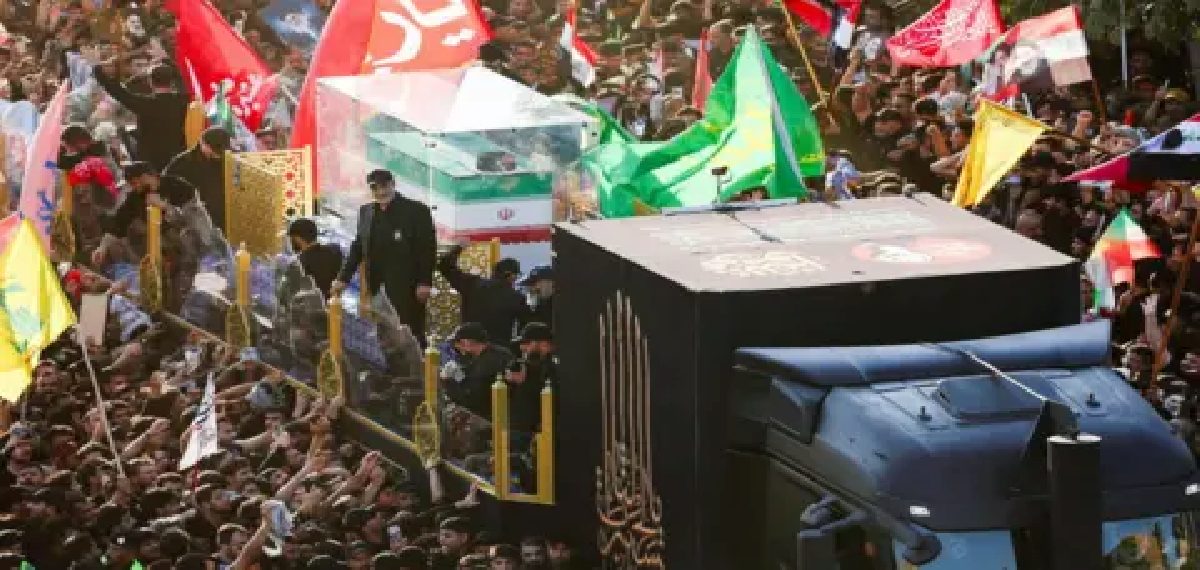
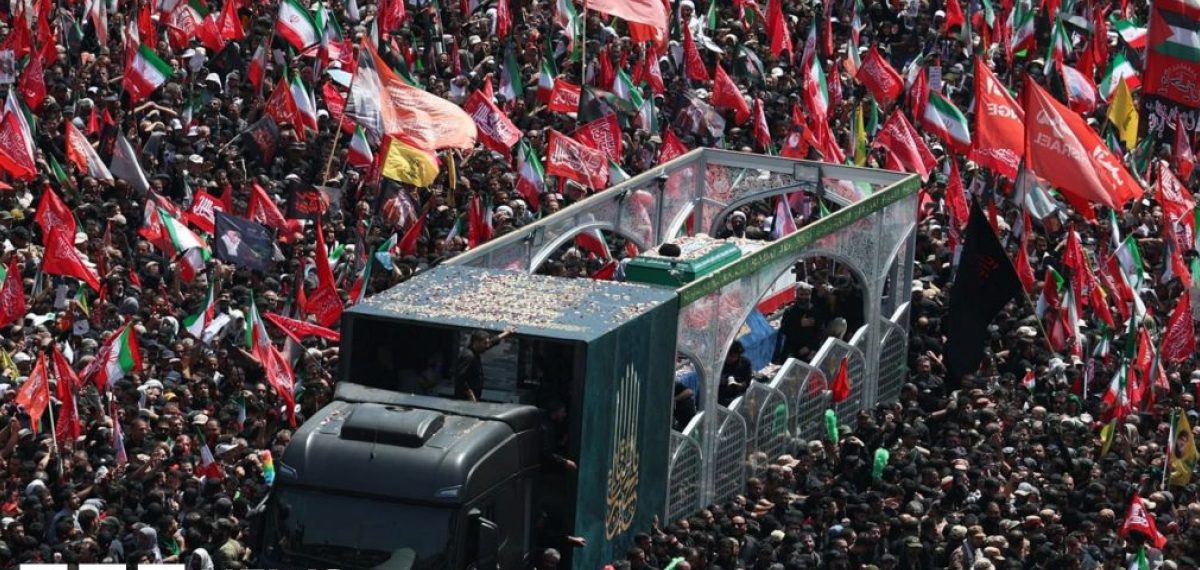
The remains of Iran’s late supreme leader Ayatollah Ali Khamenei were taken through two of Shia Islam’s holiest shrines in Iraq on Wednesday, Iranian officials and local authorities said; the processions in Najaf and Karbala preceded his planned burial in Mashhad on Thursday.
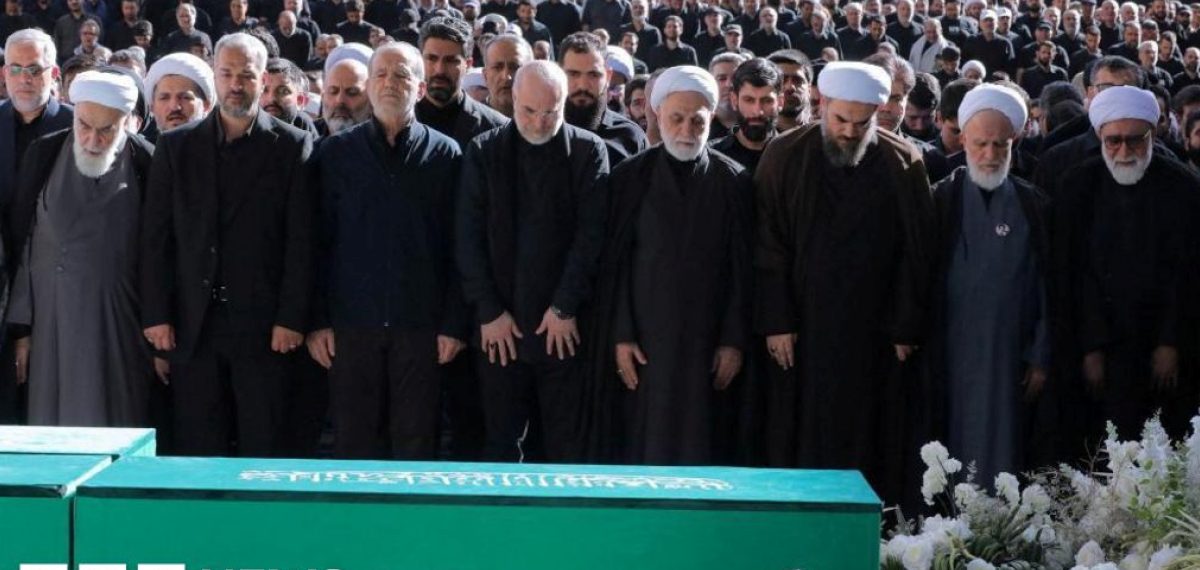
Masses of mourners filled Najaf for a procession that ended at the Imam Ali mausoleum, where people pressed to touch the coffin before funeral prayers led by a senior Najaf cleric, local reports and footage showed.
Following the Najaf rites, Khamenei’s coffin was flown to Karbala and transported through crowds to the Imam Hussein shrine, organizers said; the city hosted a second large procession that evening.
Mohammed al-Bayati, 30, told AFP he attended the Najaf ceremony to take part in the funeral of “the person who challenged the power of America and Israel,” and chants of “Death to America” and “Death to Israel” were heard as the coffin moved toward the shrine.
Iranian President Masoud Pezeshkian and other senior officials flew to Iraq on Tuesday to participate in the ceremonies and were received by Iraqi Prime Minister al-Zaidi, whose government declared Wednesday a public holiday, officials said.
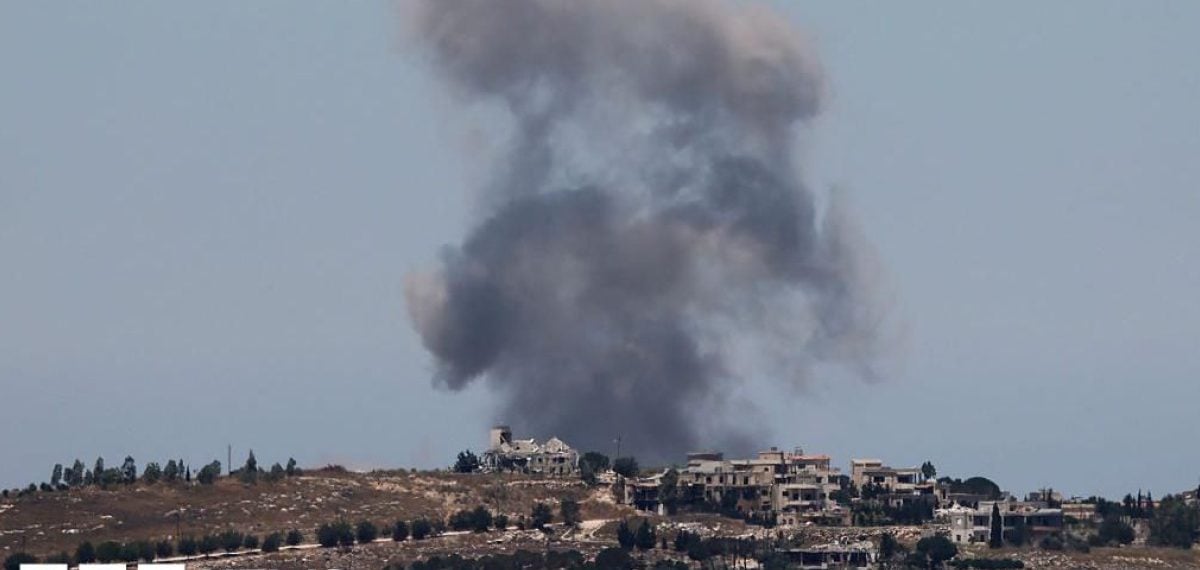
Pezeshkian reportedly returned to Tehran early on Wednesday as exchanges of strikes between the US and Iran took place after attacks on tankers in the Strait of Hormuz; US forces said they struck Iranian military targets and Iran said it hit US facilities in Bahrain and Kuwait.
Iran’s new Supreme Leader Mojtaba Khamenei did not appear publicly; reports say he has not been seen since the air strike in Tehran on 28 February that killed his father and other family members and reportedly wounded him.
Iranian Parliamentary Speaker and negotiator Mohammad Bagher Ghalibaf accused the US of violating a preliminary agreement and warned Iranians “don’t fold,” while US President Donald Trump said he believed the three-week-old preliminary US–Iran agreement to halt hostilities was over.
The memorandum of understanding signed by Trump and Pezeshkian aimed to reopen the Strait of Hormuz and gave two months to reach a final deal on Iran’s nuclear program, sanctions and a permanent truce, diplomats said.
Qatar, acting as mediator, said last week that indirect talks in Doha had produced “positive progress” and that negotiators would meet again after Khamenei’s funeral ceremonies concluded.