25 Ekim 2026
parçalı az bulutlu


Europe accelerates development of an independent military satellite network to reduce reliance on Starlink and bolster continental defense resilience.

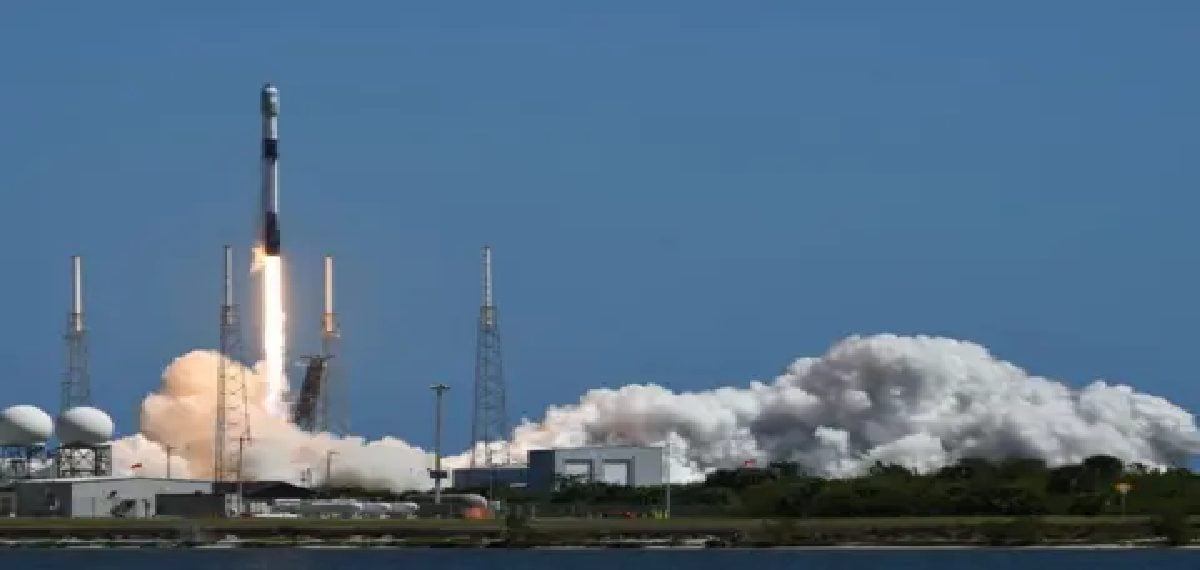
Ukraine faced a sudden slowdown in Starlink service last week that disrupted Kyiv’s defensive communications and underlined the country’s dependence on Elon Musk’s SpaceX constellation for battlefield connectivity.
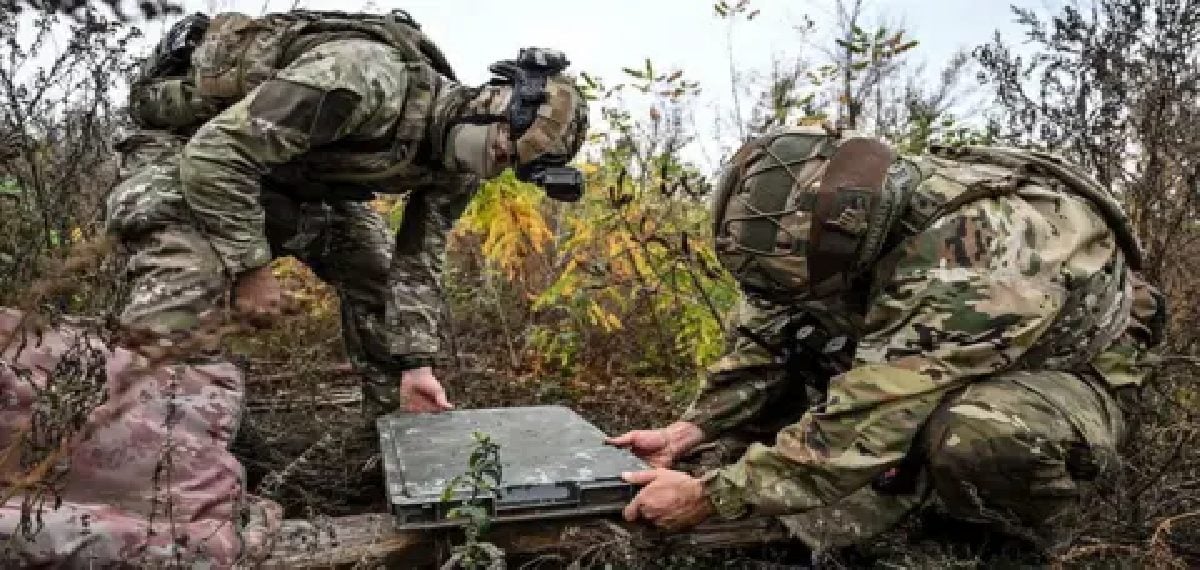
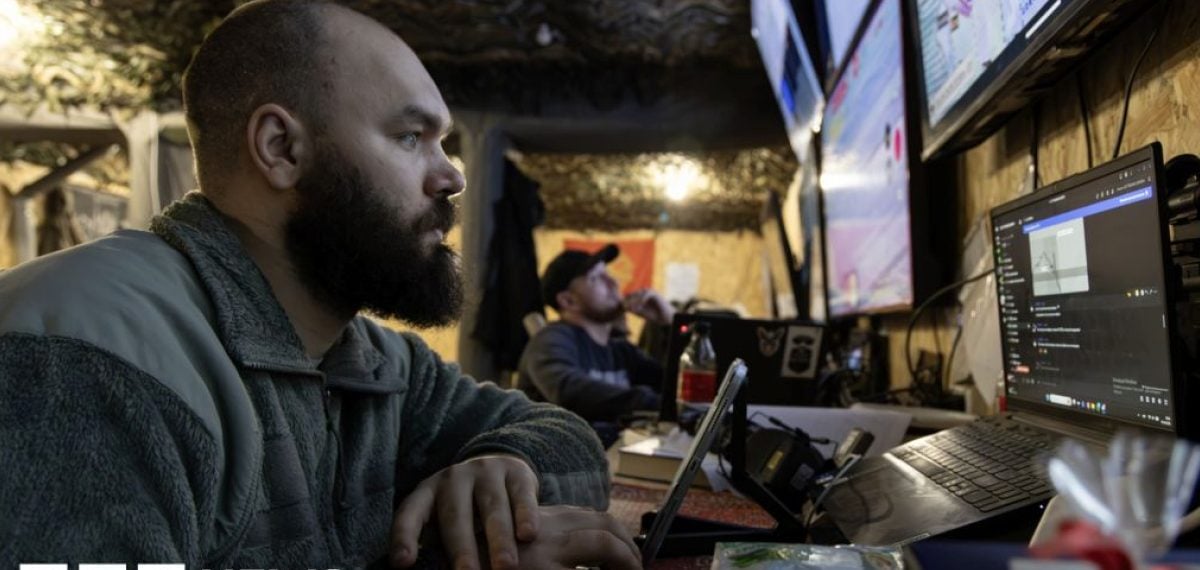
Starlink and its military-focused service Starshield have provided Ukraine with high-speed, real-time links used for command, control and drone operations. Several Ukrainian troops told the BBC that reliable connectivity is a life and death matter and that even a temporary restriction would be catastrophic.
The reasons for the recent Starlink restrictions remain unclear amid public confusion and debate involving the Pentagon, former President Donald Trump and Elon Musk. Commentators and officials highlighted the vulnerability of relying on a US provider for a critical military capability that Ukraine does not control.
Alternatives to Starlink exist but are currently limited. Eutelsat’s OneWeb constellation operates with roughly 600 active satellites compared with Starlink’s much larger fleet, and its terminals are larger and more expensive which constrains deployment on small platforms such as drones.
The European Union currently offers Govsatcom, a satellite sharing network created in January to pool existing assets among member states. Ukraine is in talks to join Govsatcom but would not be able to use it for warfare tasks like drone piloting under current rules. The Commission hopes commercial partners including OneWeb will join Govsatcom soon to broaden capabilities available to Ukraine.
The EU is also developing Iris², a defence-first satellite programme led by a SpaceRISE consortium of Eutelsat, SES and Hispasat, scheduled for deployment in 2029 with 348 low and medium earth orbit satellites. Iris² is presented as a longer-term sovereign alternative to non-European providers and Ukraine has been guaranteed access from day one.
Industry figures stress trade-offs between constellation size and coverage and argue that fewer satellites can still provide broad coverage. Other European efforts such as Project Bromo and initiatives by Nokia and ICEYE were mentioned as potential future contributors, but remain at early stages.
Experts emphasize that satellite communications are harder to disrupt than terrestrial networks and undersea cables, which carry the majority of global traffic, are themselves vulnerable to attack. For now, the EU’s Govsatcom and the planned Iris² aim to improve resilience while Starlink remains a dominant operational capability for Ukraine.
The recent Starlink slowdown has exposed a strategic vulnerability for Ukraine and for European security more broadly by revealing dependence on a single non-European provider for critical military communications. Govsatcom offers a short-term backup but lacks permissions for combat operations, while Iris² represents a medium-term effort to restore European control over secure satellite connectivity. The gap between current operational needs and the timelines for European projects underscores the continued importance of maintaining multiple, interoperable channels to ensure resilience in wartime conditions.