04 Kasım 2026
parçalı bulutlu


Democrats secure Congressional control after decisive midterms, outlining legislative priorities and shaping national policy direction.
Democrats secured control of the United States Congress following midterm elections held overnight into Wednesday, with major gains across regions traditionally loyal to the Republican Party and decisive results on both House and Senate contests.
In the Senate, Democrats captured key races including victories in South Carolina and Texas, contributing to their projected majority. The party also achieved historic Senate wins in Iowa and Kansas. Around a third of the Senate’s 100 seats were contested, with 51 seats required for a majority. Before the vote Republicans held 53 seats, Democrats 45 and two were with independents.
In the House of Representatives Democrats were projected to win a majority, flipping multiple seats nationwide and thereby gaining a significant check on President Donald Trump. The House requires 218 seats for control, the exact number Republicans held prior to the election.
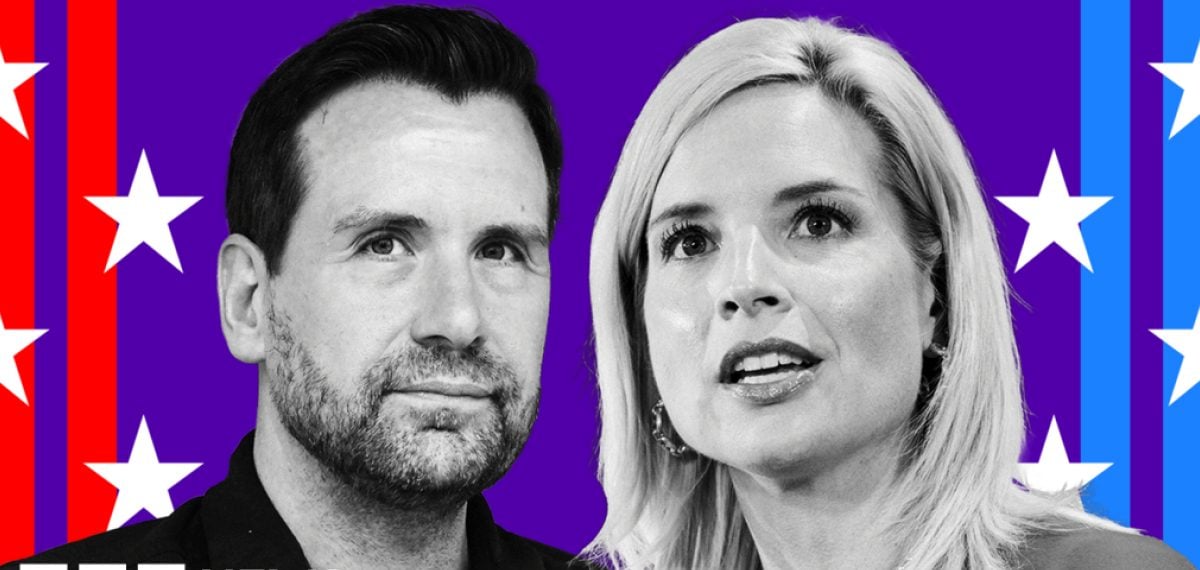
Important gubernatorial results accompanied congressional shifts, including Amy Acton defeating Vivek Ramaswamy in Ohio. The Democratic victories included notable Senate results such as James Talarico defeating Ken Paxton in Texas and Annie Andrews winning in South Carolina.
President Donald Trump reacted publicly on social media, asserting that he would have won in a landslide if he had been on the ballot and indicating plans to act as a political pundit to explain election outcomes. He also told CBS News he could veto Democratic legislation if his party lost control of either chamber, referring to the veto as the “ultimate power.” Later reports noted he expressed willingness to accept the election results and work with Democrats.
The Democratic takeover of Congress establishes a structural constraint on the president’s legislative agenda by shifting control of both chambers and enabling oversight. Senate gains in traditionally Republican states reveal a broader electoral shift that translated into flipped House seats and consequential gubernatorial outcomes. The president’s stated intention to use veto power underscores the likely partisan friction ahead despite his expressed openness to cooperation.