16 Ekim 2026
parçalı bulutlu


British hikers with severe burns rescued from Almería wildfire ravine; emergency teams performed rapid evacuation and medical aid.
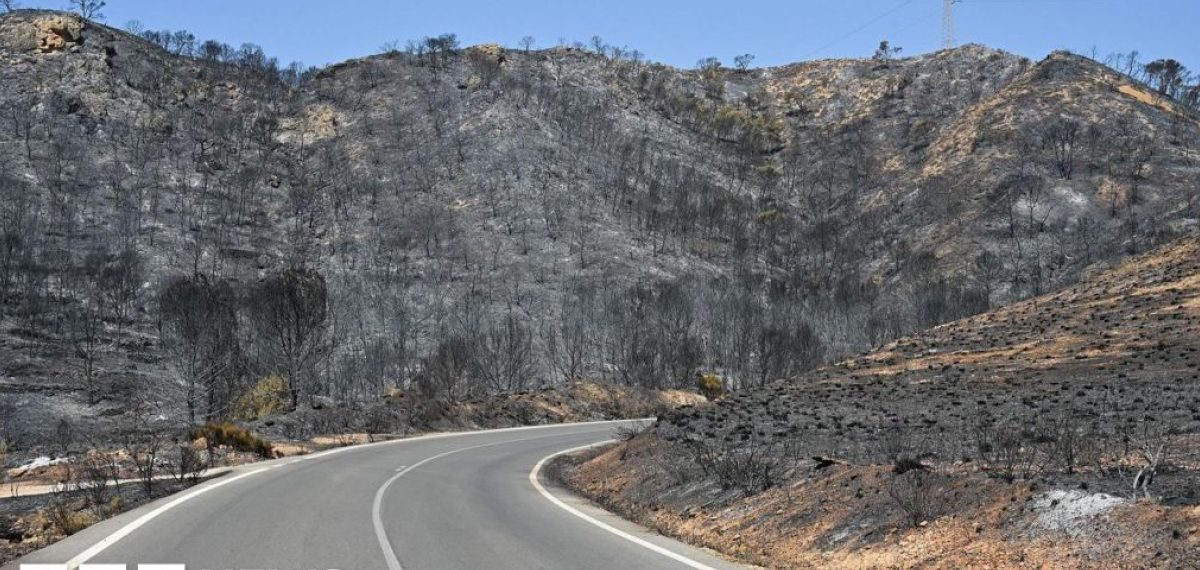
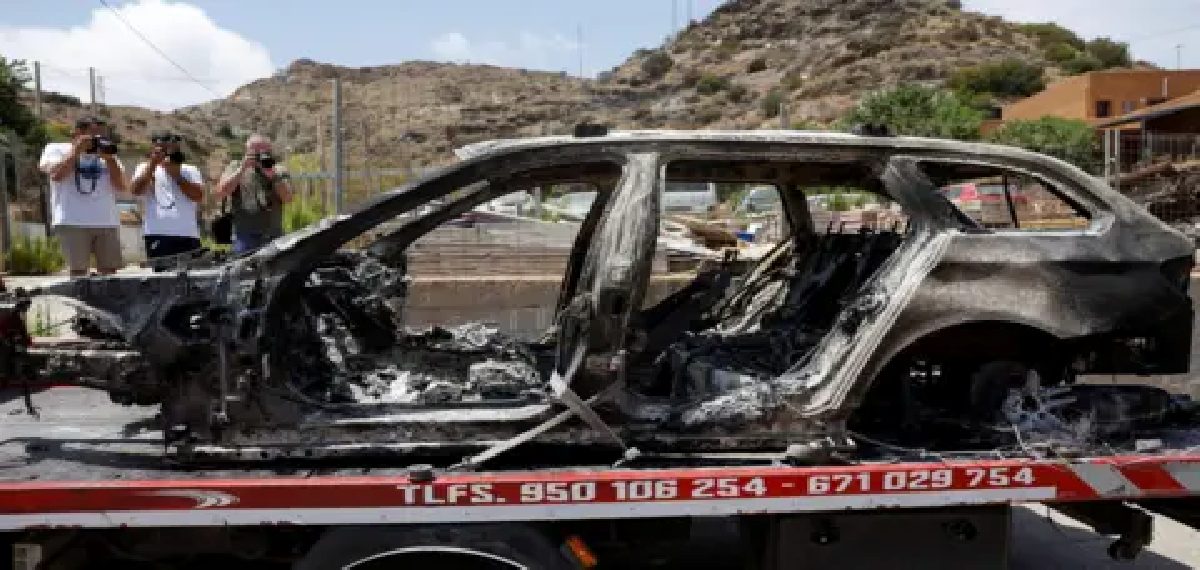
Two British nationals were found semi-conscious and badly burned in a ravine near Bédar after becoming trapped by fast-moving wildfires that swept Almería province on Thursday, regional authorities said. The pair were evacuated and remain in intensive care at hospital, with burns covering about 40% of their bodies, according to Civil Guard officers involved in the rescue.
Search teams located the couple in the early hours of Friday after following distant cries for help, Sergeant Pedro Barre told Spain’s TVE. Rescuers climbed down a hillside to reach them; both were in critical condition when carried to safety, officer Rafael Zea said.
More than 600 firefighters, aided by military and law enforcement personnel and some 30 aircraft, fought the blaze that has claimed 12 lives, including four British citizens, and scorched roughly 6,600 hectares (16,300 acres). Authorities reported calmer winds and increased humidity on Saturday, which helped suppression efforts and allowed about 600 of nearly 1,500 evacuees to start returning home, regional emergency chief Antonio Sanz said.
Forensic teams in Madrid are working to identify the victims using samples from remains and DNA from relatives, a process slowed by the difficulty of collecting samples from family members who have traveled from abroad. Officials have not yet publicly confirmed the identities of those killed.
A sustained heatwave with temperatures near 40°C (104°F) has intensified wildfire activity across southern Europe this summer, contributing to larger and faster-spreading blazes in France, Portugal and Spain. Local officials described scenes of devastation in affected towns such as Los Gallardos, where mayor Francisco Miguel Reyes said it felt like “a bomb has fallen”.
The Almería fires underscore how extreme heat and prolonged dry conditions are reshaping fire risk in Mediterranean regions. Rapidly spreading blazes place intense pressure on local emergency services, disrupt tourism-dependent local economies and complicate cross-border identification and consular processes when foreign nationals are affected.
Longer term, repeated high-temperature events amplify demands on firefighting capacity, call for investment in resilient land management and emergency planning, and raise questions about evacuation logistics for dispersed foreign resident communities in rural coastal provinces.