16 Ekim 2026
parçalı bulutlu


New four-lane bridge opens, enhancing China–North Korea trade ties with improved transport capacity and cross-border economic opportunities.
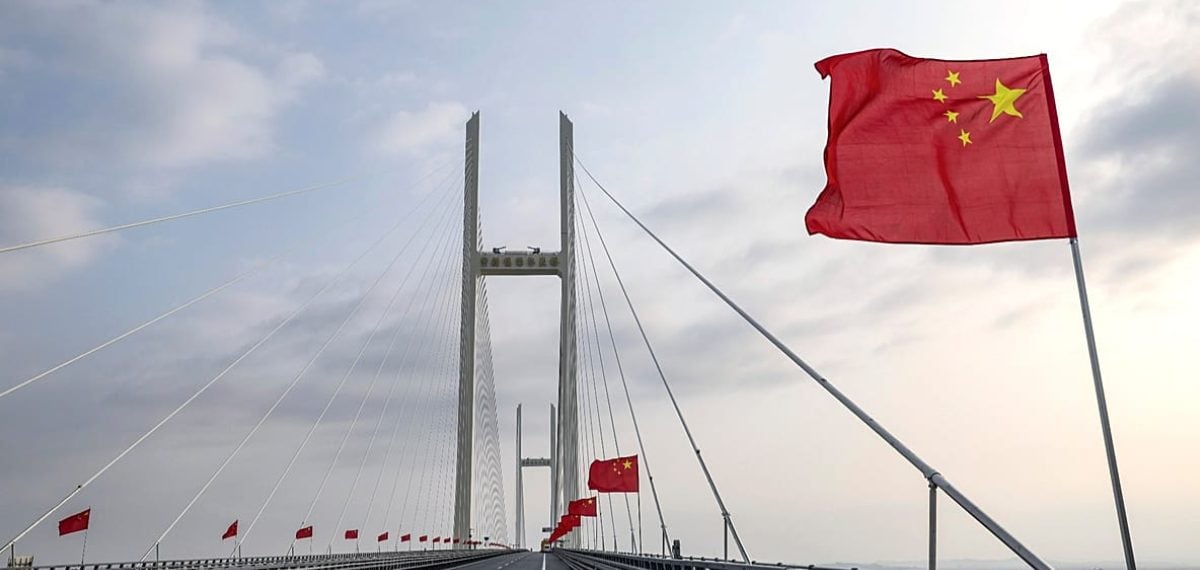
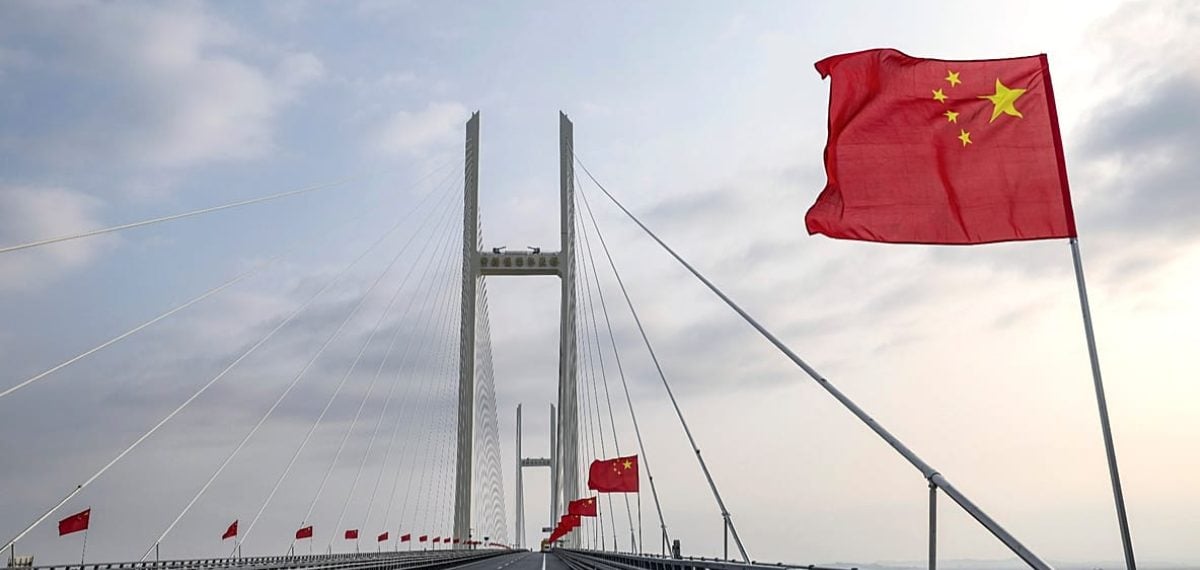
A new four-lane road bridge connecting China and North Korea opened on Thursday after a 12-year delay, enabling increased cross-border trade and people movements between the two countries. Hundreds gathered in the northern Chinese border city of Dandong to view the 3,026-metre New Yalu River vehicle bridge as trucks began moving in both directions during the morning.
The bridge was completed in 2014 but remained closed due to missing connecting roads and customs facilities on the North Korean side, and North Korea’s border closures during the COVID-19 pandemic further delayed its opening. Train services between the neighbours only resumed in March after a six-year suspension.
Chinese Premier Li Qiang addressed the opening by video link, describing the bridge as a symbol of Beijing’s friendship with Pyongyang and saying relations were “entering a new stage and opening a new chapter”. He said the bridge would boost economic and trade cooperation, facilitate people-to-people exchanges and tighten bonds between the two peoples.
Locals in Dandong expressed relief and optimism about the bridge’s impact on business and regional exchanges. Observers noted the structure will supersede the older Sino-Korean Friendship Bridge downstream, which was described as “extremely narrow” and posed safety concerns for transporting heavy cargo such as industrial machinery, raw materials and energy-related supplies.
The opening of the New Yalu River vehicle bridge represents a practical upgrade in infrastructure that directly addresses previous logistical and safety constraints on cross-border shipments. By providing a modern four-lane route, the bridge is likely to make transport of heavy cargo simpler and more efficient, potentially increasing cargo traffic between China and North Korea. The inauguration also serves a diplomatic signal, with Chinese leadership framing the project as evidence of strengthened bilateral ties and expectations of greater economic and people-to-people connectivity.