22 Temmuz 2026
açık


Austria converts Hitler’s Braunau birthplace into a police station after years of legal and political disputes, aiming to deter extremism.

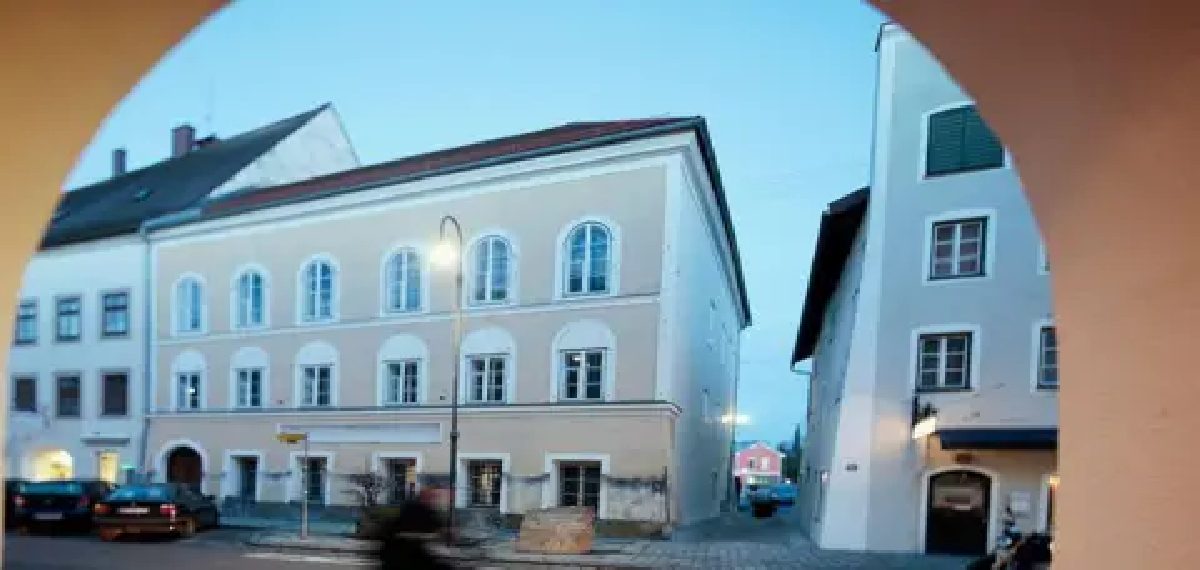
A police station has opened in the house in Braunau am Inn where Adolf Hitler was born, following years of controversy over the 17th-century former inn and efforts to prevent it becoming a Neo-Nazi pilgrimage site, the Austrian government said.
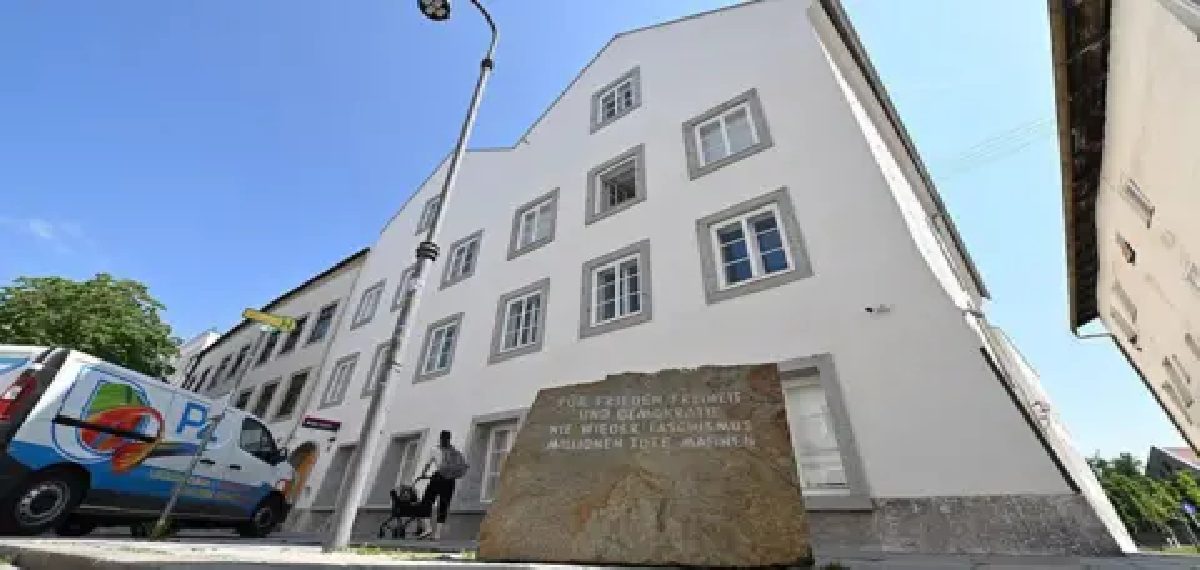
The building at Salzburger Vorstadt 15, where Hitler lived only for a few weeks before his family moved and later left the town when he was three, was substantially refurbished and its façade altered as part of the conversion.
For years the interior ministry rented the property from its former owner, Gerlinde Pommer, paying high rent to deter extremist tourism. The house was used by a local charity as a day centre and workshop for people with special needs until renovations were blocked in 2011 and the charity was forced to move out.
Authorities and Pommer negotiated for years until parliament passed a law in 2016 allowing the state to take the property; Pommer received €812,000 in compensation and later contested the sum in court but lost.
The government considered demolition but faced criticism that destroying the house would amount to denying Austria’s Nazi past. In 2019 officials launched an EU-wide architectural competition and decided to convert the building into a police station.
The renovated yellow-plastered building now looks significantly different and is covered with security cameras. There is no sign on the house referencing its history; outside, a stone erected in 1989 from the former Mauthausen concentration camp reads “For Peace, Freedom and Democracy – Never Again Fascism – Millions of Dead” without mentioning Hitler’s name.
The conversion into a police station followed parliamentary authorization to seize the property and the payment of €812,000 compensation to the former owner. Officials pursued refurbishment and façade changes rather than demolition after public debate about confronting Austria’s past. The site now features heightened security and only a memorial stone links the building to its history.