18 Temmuz 2026
açık


Supreme Court map change could strip Tuskegee of federal aid and representation, raising urgent legal and civil rights concerns.
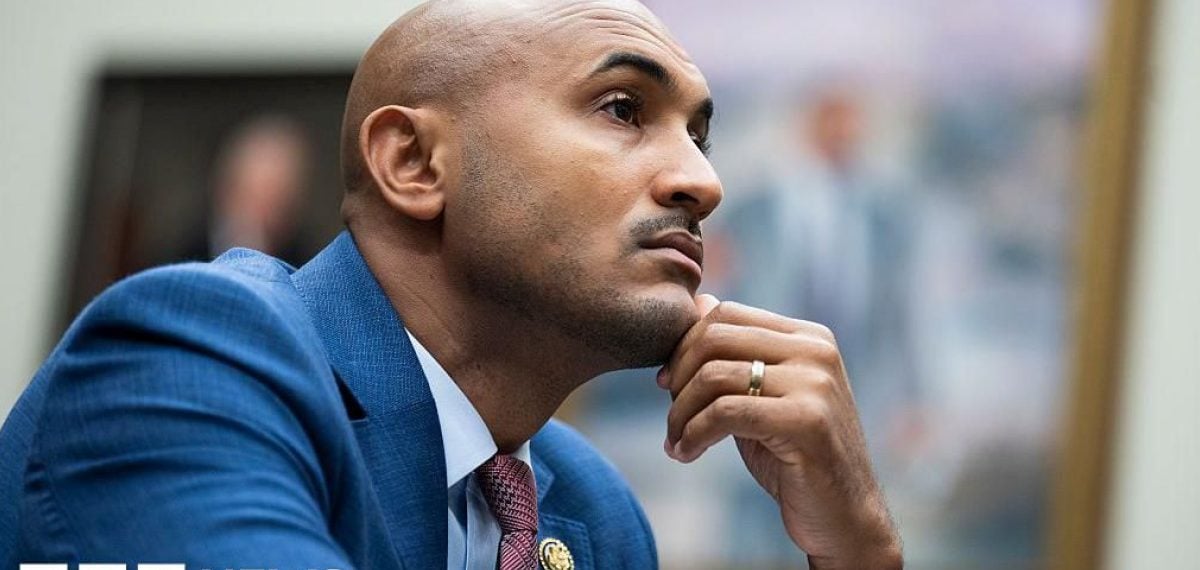
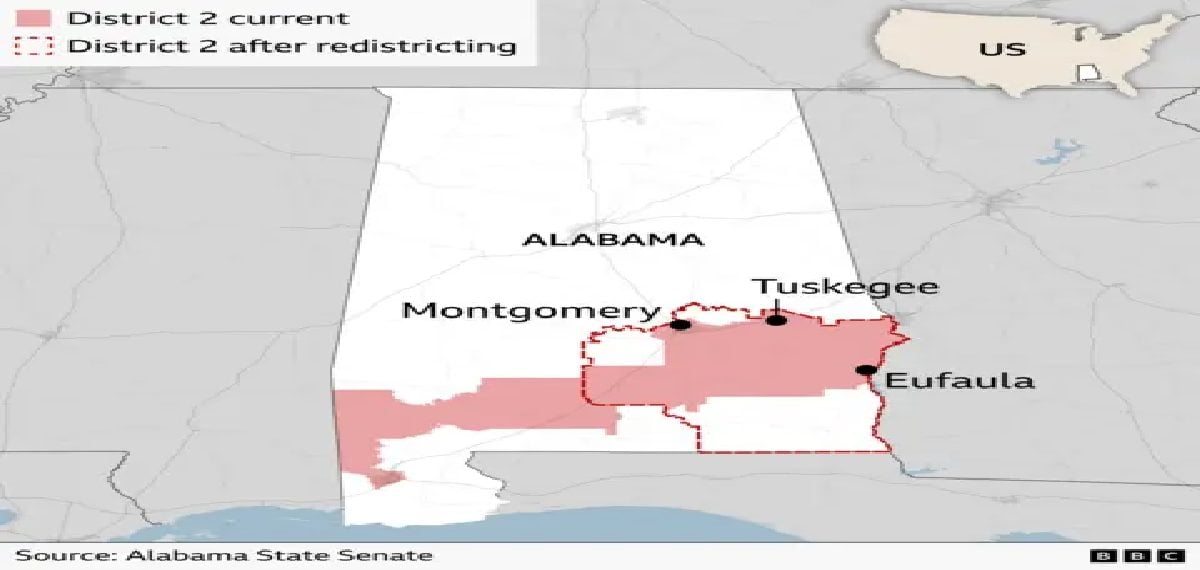
In April the US Supreme Court’s ruling that weakened challenges to racially drawn districts left Tuskegee facing a new congressional map that could remove Representative Shomari Figures from a seat built to serve majority-Black communities, jeopardizing federal projects such as a $1m civic centre and other resources secured since his 2024 election.
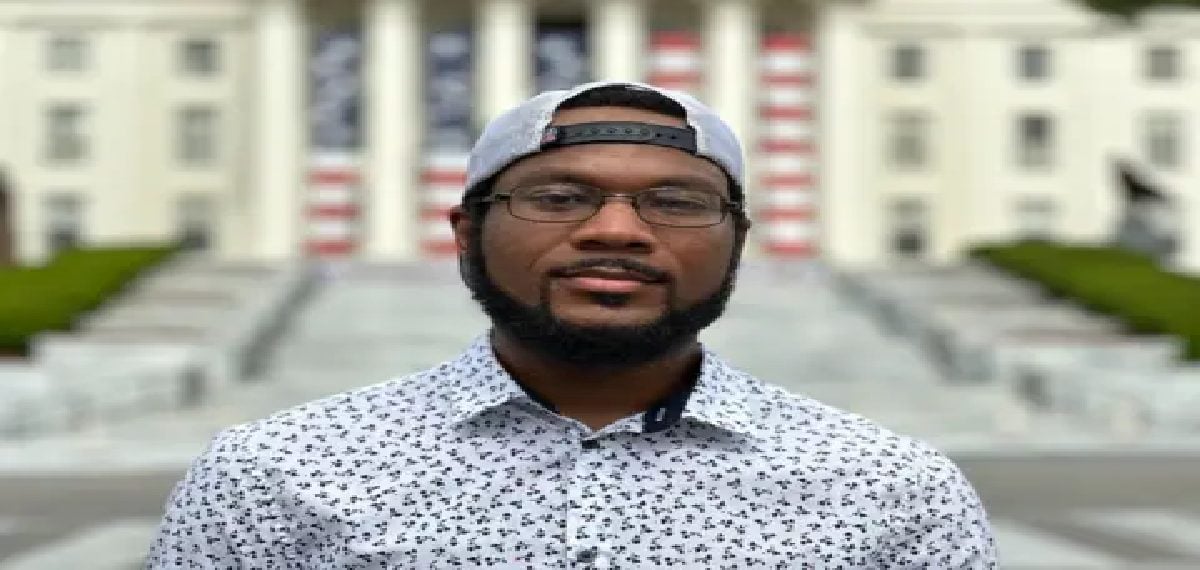
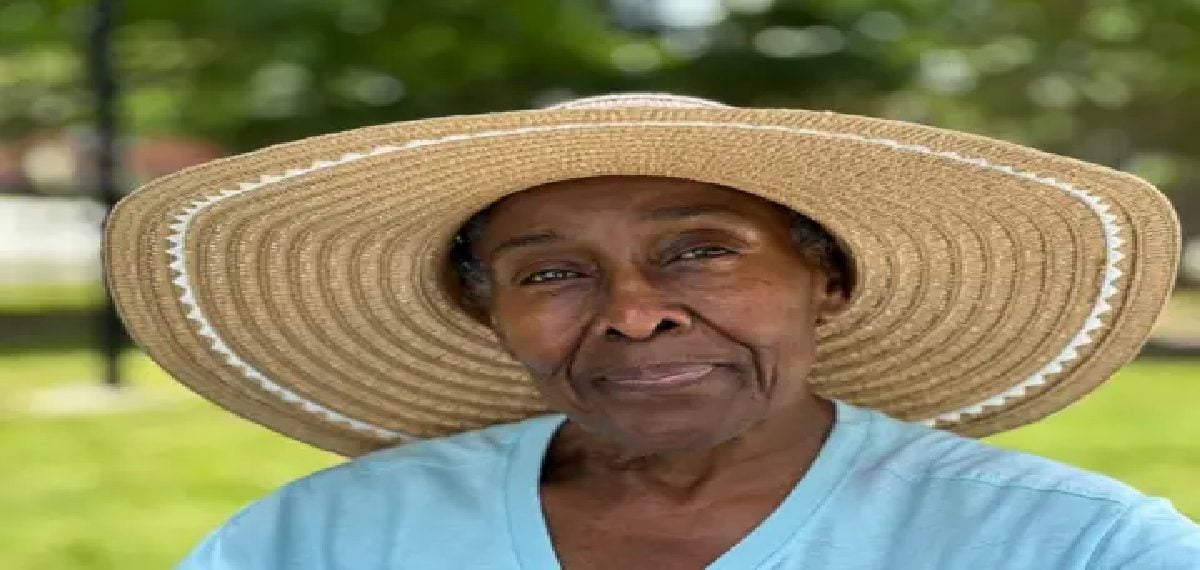
When 19-year-old De’Mari Benham’s arm was cut by shattered glass, he turned to the local fire department rather than the nearest hospital because of distance and cost—a snapshot of health and infrastructure gaps across Tuskegee, a majority-Black town of under 9,000 people where nearly one in three residents live in poverty and no general hospital exists.
Figures helped secure $1m for a civic centre to house the fire and police departments and act as a storm shelter, and won more than $1m in federal tax credits plus $500,000 toward an MRI for Medical Center Barbour, the lone hospital serving a wide rural radius. Locals say those wins show the practical impact of having a sympathetic member of Congress.
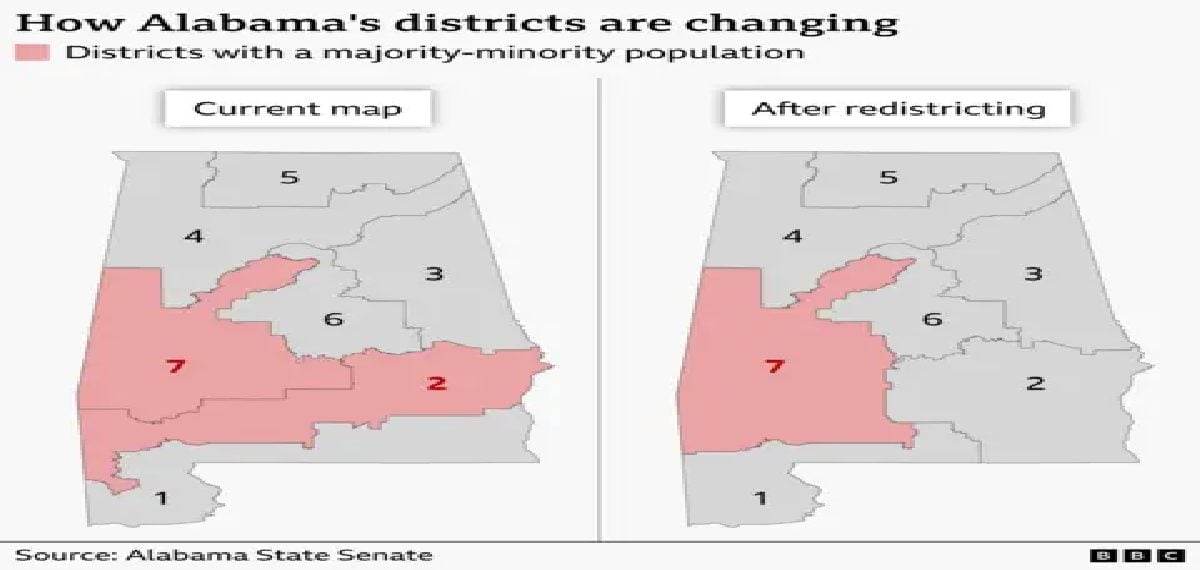
But the Supreme Court’s decision reopened redistricting across Alabama, allowing Republican-led map changes that fold Tuskegee into a whiter, more conservative district. Figures now faces a reelection fight in a reconfigured seat that research suggests will favor Republican voters, raising fears among residents that future federal support could dry up if he loses.
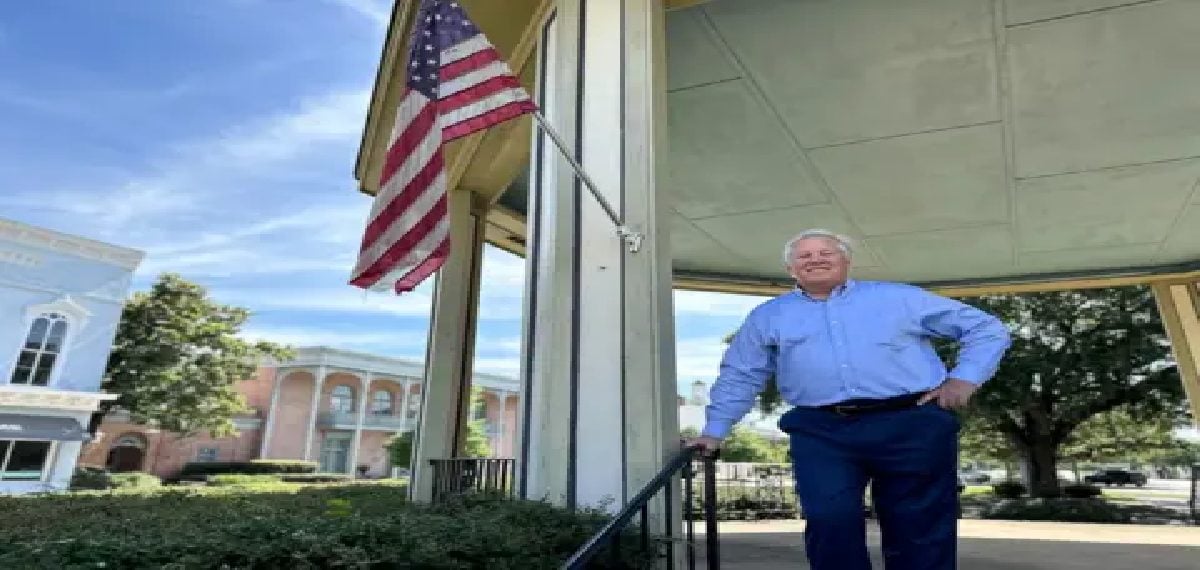
State officials and conservative activists argue the redrawing is about politics, not race. Alabama Attorney General Steve Marshall frames the fight as partisan, while Alabama Young Republicans chair Cedric Coley says federal courts should not impose race-based maps. Civil-rights advocates and many Black residents see the move as a rollback of gains that enabled minority representation.
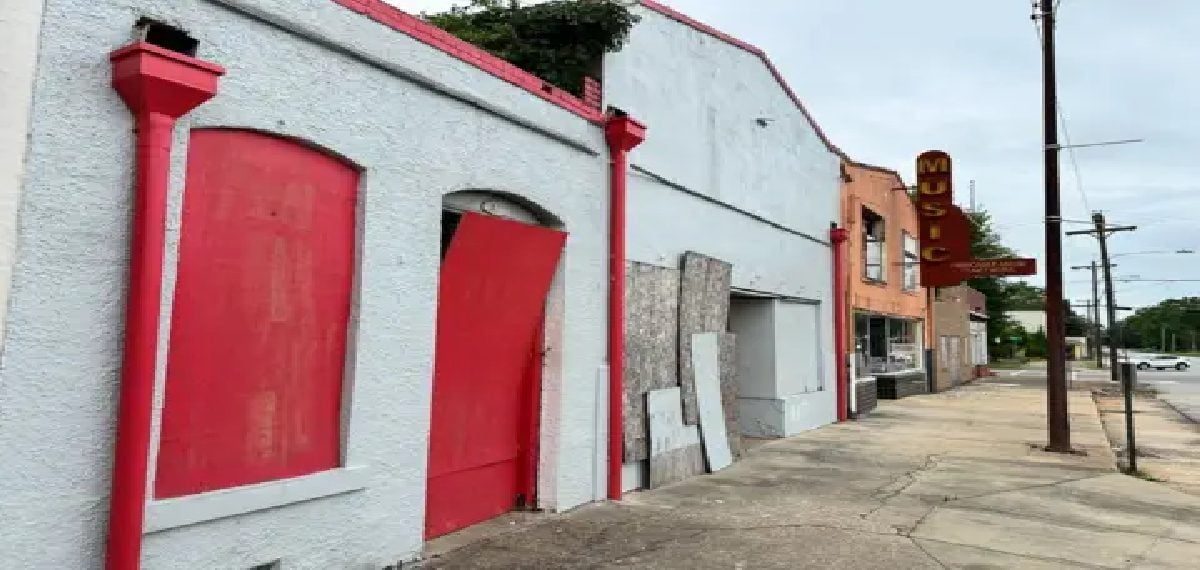
On the ground, leaders such as Tuskegee Mayor Chris Lee and hospital administrators point to immediate community needs: emergency care gaps, abandoned downtown buildings, and fragile local hospitals that rely on federal help. Eufaula officials likewise stress the hospital’s precarious finances and the uneven toll of poverty across racial lines.
The redrawing of districts in Alabama has effects beyond ballot lines: it alters which communities attract federal investment, who advocates for rural hospitals and emergency services, and how minority voices influence resource allocation. If majority-Black seats are reduced, communities like Tuskegee risk diminished access to targeted federal dollars and legislative champions who can navigate funding channels. Politically, the change may accelerate partisan shifts in Congress that reshape policy priorities affecting healthcare, disaster preparedness and rural development.
Practically, the loss of a representative aligned with local needs can slow or halt projects already in motion, from civic infrastructure to medical equipment, increasing service gaps for vulnerable residents who rely on a narrow set of providers and emergency responders.