26 Eylül 2026
az bulutlu


A rapid military advance down Yemen’s Red Sea coast has put the spotlight on the Iran-backed group, amid growing concerns about the global energy market.
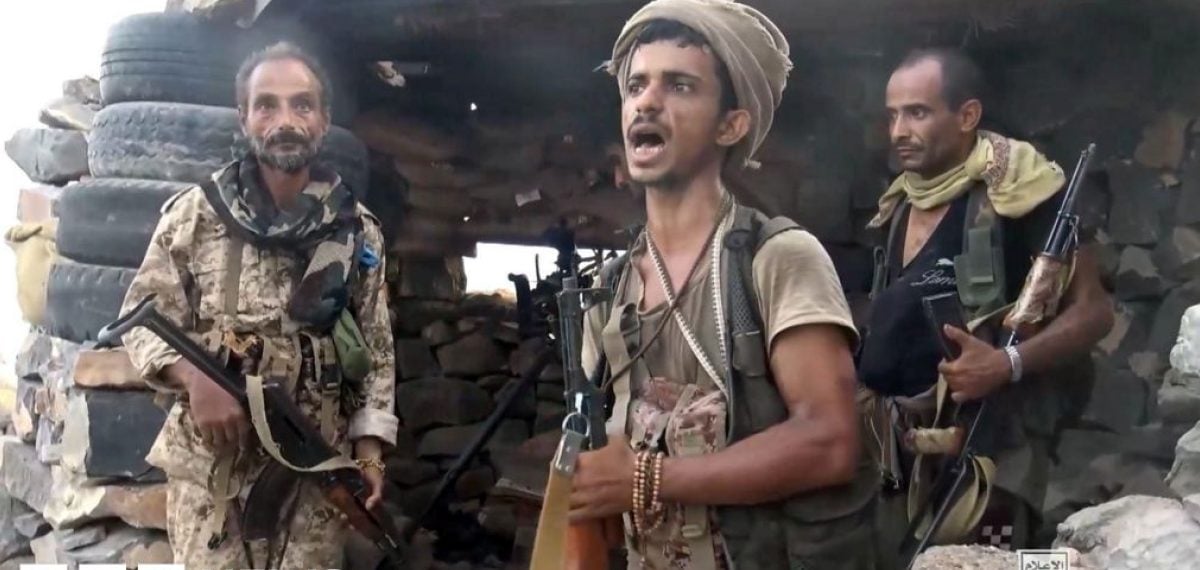
Yemen’s long-running civil war has entered a new phase after the Iran-aligned Houthi movement made rapid gains along the country’s Red Sea coast, seizing strategically important territory and moving closer to the Bab al-Mandab Strait.
The offensive has placed the Houthis in control of the port city of Mokha and nearby strategic islands, giving the group greater leverage over one of the world’s most important maritime corridors. Reuters reported that Houthi forces reached the Hanish islands after taking Mokha, marking a significant shift in the balance of the conflict.
The development is particularly significant because Bab al-Mandab connects the Red Sea with the Gulf of Aden and provides a major route for international shipping. With the wider Middle East conflict already affecting the Strait of Hormuz, renewed instability around Bab al-Mandab has raised concerns about additional pressure on energy supplies and global trade.
The latest escalation followed the collapse of an informal period of relative calm between the Houthis and forces backed by Saudi Arabia. More than 100,000 people have been displaced internally since fighting intensified, according to the UN refugee agency, while thousands more have reportedly crossed the sea toward Djibouti.
The Houthis, formally known as Ansar Allah, are an armed political and religious movement that emerged in northern Yemen in the 1990s. The group takes its name from its founder, Hussein al-Houthi, while his brother Abdul Malik al-Houthi has been its principal leader since the mid-2000s.
The movement grew out of opposition to Yemen’s long-serving president Ali Abdullah Saleh and initially campaigned for greater political and religious autonomy for northern Yemen’s Zaidi Shiite community.
Following the 2011 uprising that forced Saleh from power, the Houthis expanded their influence and seized Sanaa in 2014. They subsequently consolidated control over much of northern and western Yemen, including areas containing a large proportion of the country’s population.
The movement identifies itself with Iran’s wider regional network of groups opposed to Israel and the United States. Its relationship with Tehran has become a major factor in the wider Yemen conflict and in the security of Red Sea shipping.
The recent Houthi advance has focused attention on the strategic geography of western Yemen.
Mokha lies close to the Bab al-Mandab Strait, while the island of Perim sits directly within the waterway. Houthi forces reaching these positions has raised concerns that the group could exert greater influence over maritime traffic passing between the Red Sea and the Gulf of Aden.
The Houthis have said they do not intend to target international shipping generally and have portrayed their maritime campaign as directed against Saudi-linked interests. A senior Houthi official also told AP that the movement does not intend to attack US ships under the terms of an earlier understanding with Washington.
Nevertheless, the group’s expanding presence around Bab al-Mandab has heightened concern among governments and shipping companies because any sustained disruption could force vessels to take longer routes around Africa.
The stakes have increased because the war involving the United States, Israel and Iran has already disrupted other major energy routes. Any simultaneous pressure on Bab al-Mandab and the Strait of Hormuz could further complicate global oil transportation.
Saudi Arabia has backed Yemen’s internationally recognised government throughout much of the civil war and intervened militarily in 2015 after the Houthis captured large areas of the country.
Years of Saudi-led air operations failed to remove the Houthis from the territory they controlled, while the conflict contributed to a severe humanitarian crisis. A ceasefire in 2022 reduced the intensity of fighting, although no comprehensive political settlement followed.
The latest Houthi offensive has prompted Saudi Arabia and allied Yemeni forces to launch air strikes against Houthi positions. The Houthis, in turn, have fired missiles and drones toward Saudi territory and targeted Saudi-linked economic and military infrastructure.
The escalation has also created pressure on Washington. Reports indicated that Saudi Crown Prince Mohammed bin Salman urged US President Donald Trump to take military action against the Houthis after their coastal advance. Trump ultimately did not launch new strikes, while the United States has maintained an earlier understanding under which the Houthis agreed not to target American vessels.
Britain has meanwhile agreed to provide aircraft to assist Saudi Arabia with defensive aerial refuelling operations.
Iran’s relationship with the Houthis has long been a central issue in the conflict. Saudi Arabia and Western governments have accused Tehran of providing the group with weapons, technology and military assistance. Iran has denied supplying weapons and describes its support for the Houthis as political.
Evidence gathered in recent years has nevertheless pointed to increasingly sophisticated supply networks.
A Conflict Armament Research investigation published in May documented more than 800 weapons components recovered from intercepted shipments and found evidence of advanced missile and drone systems being assembled in Yemen. The research indicated that Iranian-linked networks were increasingly supplying components rather than complete weapons, making the systems more difficult to detect and allowing the Houthis to assemble them locally.
Reuters has also reported that Iranian Revolutionary Guard personnel and Iranian weapons and funding played a role in the Houthis’ latest coastal offensive, citing Yemeni, Iranian and regional sources. Tehran has disputed claims that it directs Houthi military operations.
The renewed fighting in Yemen is unfolding against the backdrop of a much broader Middle East conflict.
The Houthis’ control of additional Red Sea territory has given the movement a stronger position near one of the region’s most sensitive maritime chokepoints. At the same time, Saudi Arabia faces the prospect of renewed attacks on its territory and energy infrastructure.
For Yemen, the immediate consequences are humanitarian. The latest fighting has already displaced more than 100,000 people, while insecurity and damage to infrastructure are complicating humanitarian operations.
For international shipping, the central question is whether the Houthis will use their new positions to impose sustained restrictions on vessels passing through Bab al-Mandab. Any prolonged disruption would add another layer of pressure to global energy markets and maritime trade at a time when alternative routes are already under strain.