31 Ağustos 2026
açık

US may halt Peshmerga security aid, risking Kurdish forces’ readiness and regional stability amid shifting Washington policy.
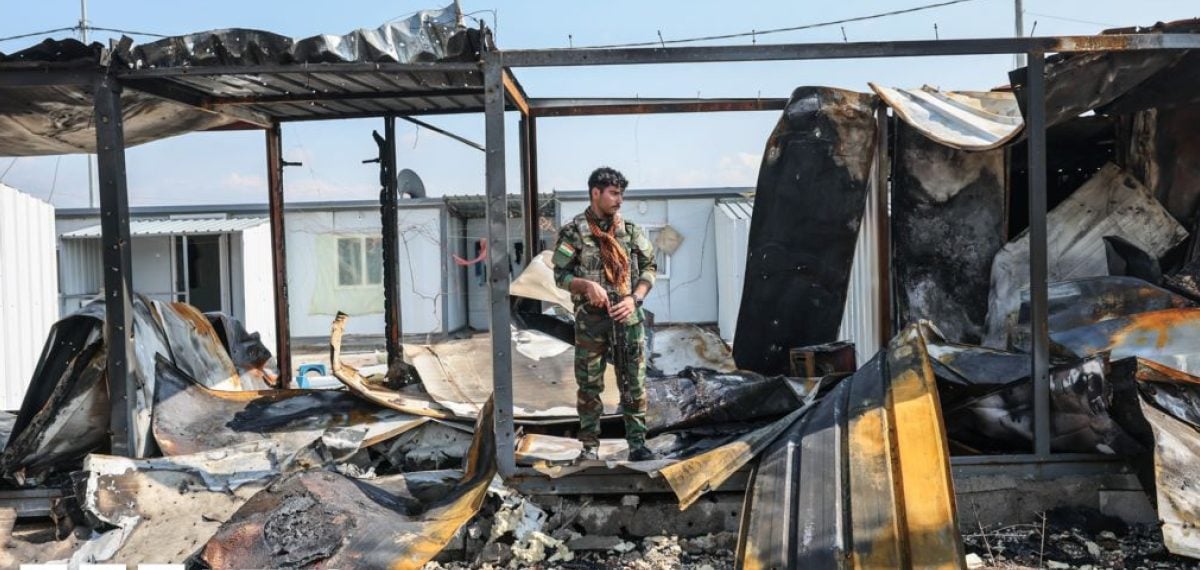
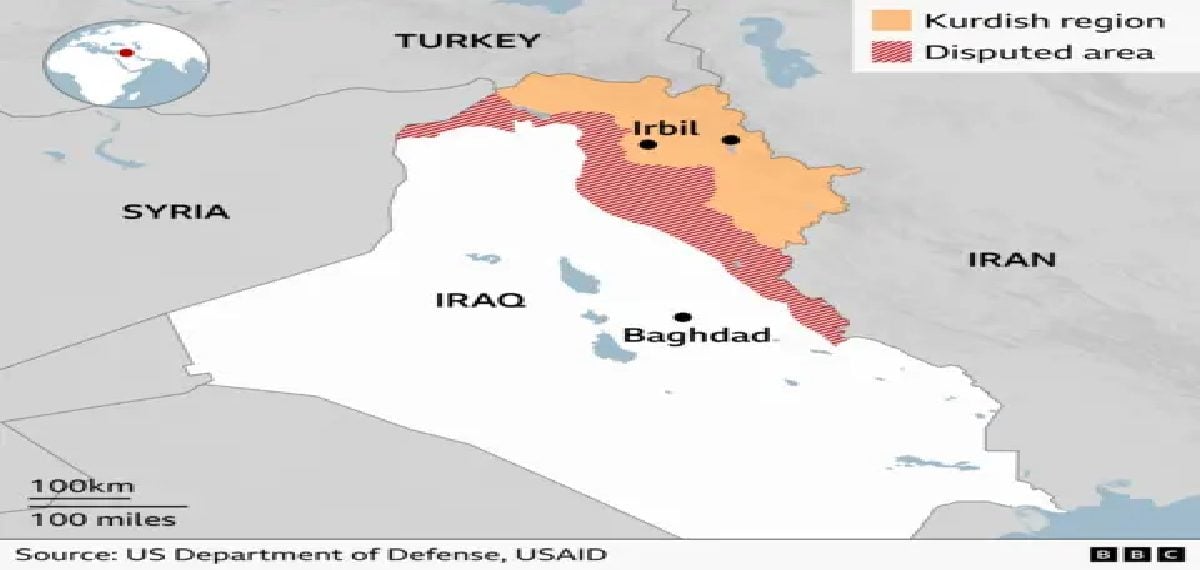
The United States Department of Defense has informed leaders of Iraq’s Kurdistan Regional Government that it does not plan to renew a memorandum of understanding providing security assistance to the Peshmerga when the agreement expires on 30 September, multiple sources said, raising concerns about increased exposure to Iranian missile and drone attacks.
Defense officials conveyed this position during recent talks with Iraqi and Kurdish leaders, according to four sources with direct knowledge. The Pentagon signed the initial memorandum in 2016 and renewed it in 2022; a final decision on future security engagement was said to still be under review by one source.
The Peshmerga received $61 million in fiscal year 2026 for weapons, training and stipends through the Pentagon’s counter-IS program. The Pentagon’s fiscal year 2027 budget request proposed cutting all Peshmerga security aid on the grounds that the campaign against IS has ended, though that spending plan was on hold amid congressional budget disputes.
Sources reported that Iran and Iranian-backed militias conducted 158 missile or drone attacks inside Iraqi Kurdistan by late May, according to compiled data from the Foundation for Defense of Democracies. Officials in Iraqi Kurdistan fear that ending U.S. security assistance would create a power vacuum and increase the region’s vulnerability to these sustained attacks.
U.S. officials said the U.S., Iraq and coalition partners have achieved significant success against ISIS and that Iraqi Security Forces, including the Peshmerga, will lead counterterrorism efforts. The memorandum’s expiration coincides with the scheduled withdrawal of the last remaining coalition troops from Iraq on 30 September, which will formally end the international campaign against IS.
The U.S. opened a large consulate complex in Irbil last December described by a State Department official as reflective of the bilateral relationship, while recent meetings on Iraqi security included the White House, Defense and State Departments and discussed a possible bilateral security agreement with Iraq. The structure and any role for Iraqi Kurdistan in such an agreement remained unclear.