31 Ağustos 2026
açık


Former mothers recount coercion and mistreatment during forced infant relinquishments, exposing institutional failings and calls for accountability.

Several women who were sent away as unmarried mothers between 1949 and 1976 have described being denied support, subjected to harsh treatment and having their babies taken for adoption, they say, often with no choice and little information.
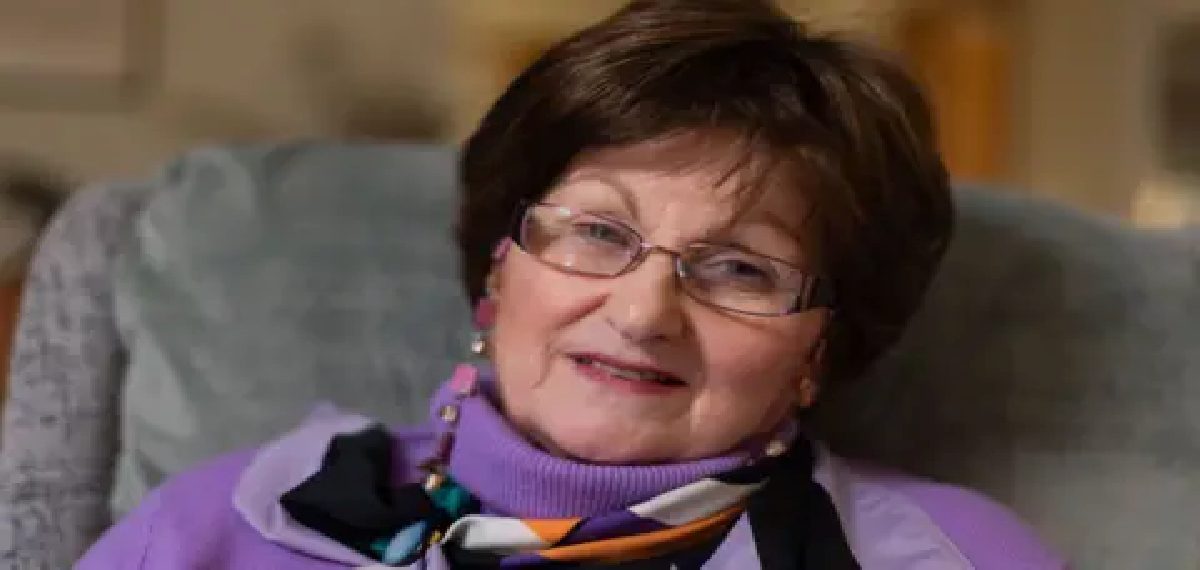
Marion McMillan said she was 17 when she was sent from Stranraer to a Salvation Army maternity home in Newcastle-upon-Tyne in 1966, gave birth there and spent nine months with her son before staff took him from her despite her pleas to keep him. She described austere conditions at the Hopedene home, physical mistreatment during labour and being allowed to hold the baby only the following day. Marion said she was finally reunited with her son in 2004 but that the experience left lasting pain.
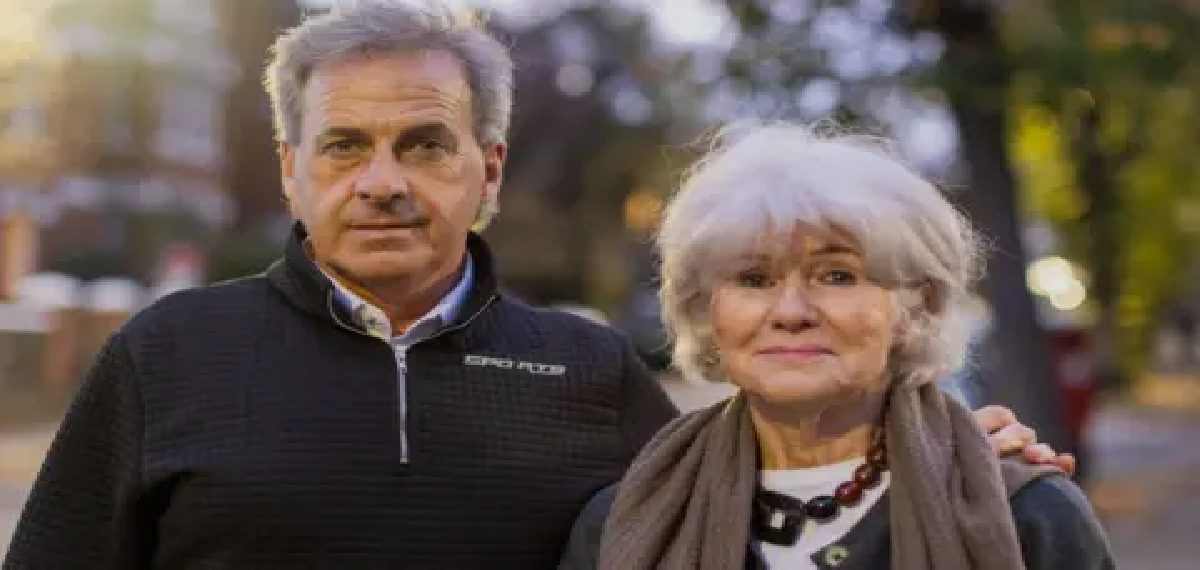
Ann Keen recalled becoming pregnant at 17, being sent away to give birth in Swansea and being refused pain relief during labour. She was told she would only have ten days with her son, who was taken when he was eight days old; a midwife told her she would never see him again, she said. Ann was later invited to Downing Street ahead of an apology from the UK government, and said the apology removed the presumption of blame from the mothers.
Joan Chambers said she became pregnant at 14 after being abused by a teacher. She gave evidence in court five weeks before giving birth and later found archival records showing the jury had been told not to believe her. Joan described traumatic treatment during birth, no pain relief and having her baby taken at three weeks old; she and her child were reunited when he was 66.
The accounts presented in the documentary and subsequent public apologies highlight systematic practices in mother and baby homes that women describe as coercive and shaming. Official apologies from political leaders and an updated statement from The Salvation Army acknowledge institutional responsibility and express regret for failing vulnerable mothers, while campaigners and some affected women continue to call for improved support for those harmed by forced adoptions.
The Salvation Army said it was “profoundly sorry and deeply ashamed” that vulnerable young women did not receive needed help, and its leaders stated the organisation must be held accountable for its role.