08 Kasım 2026
parçalı bulutlu


US launches limited strike on Qeshm Island amid Qatar-mediated talks; diplomatic channels intensify as tensions and regional security concerns rise.
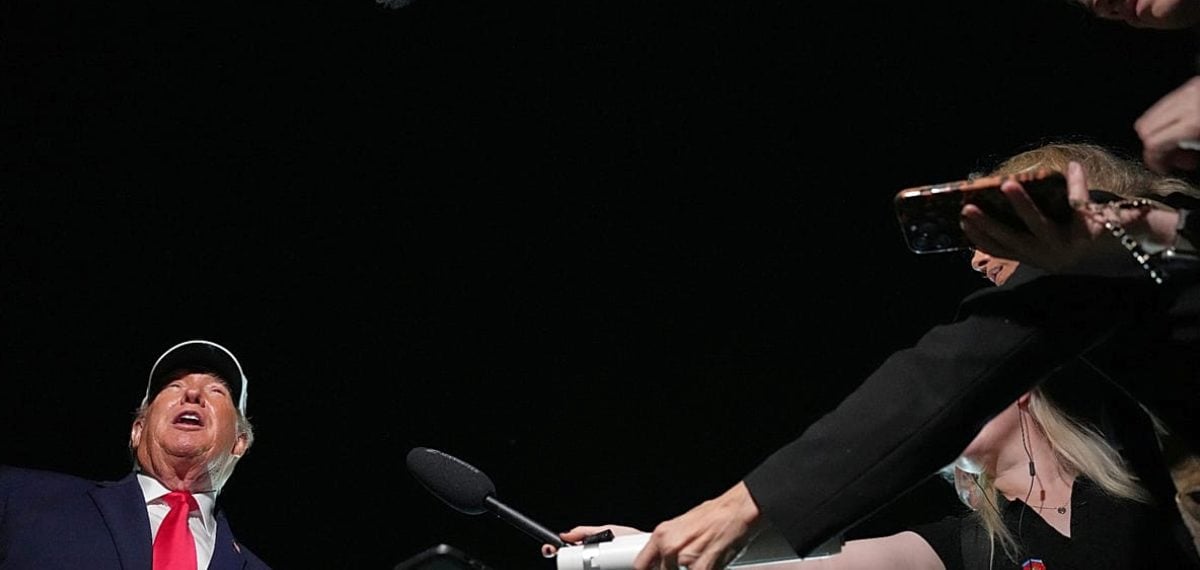
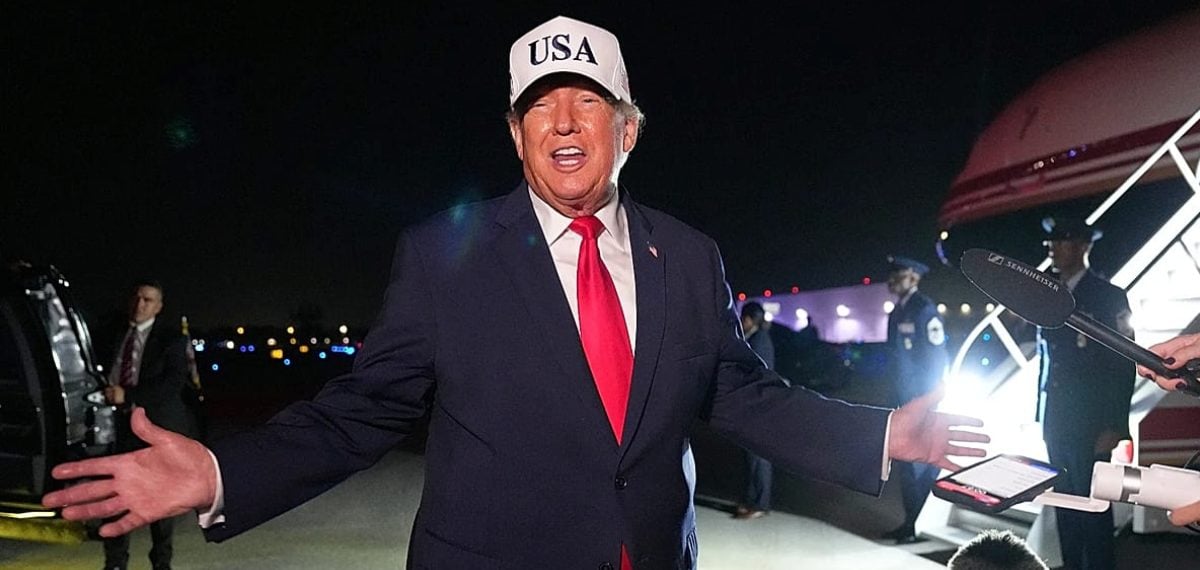
US forces said they carried out a minor airstrike targeting Iranian air defence systems on Qeshm Island late Friday, an action President Donald Trump characterised as brief and limited. Iranian state-run media reported that two missiles struck the Suza area of Qeshm Island and locals reported explosions on social media. The Iranian Revolutionary Guard Corps earlier claimed to have shot down a US military drone over southern Iran, a claim the US did not confirm.
The strikes followed a series of defensive US strikes earlier in the week during which explosions were heard on Qeshm and Hengam islands and in Bandar Abbas on the nearby mainland. President Donald Trump stated that the strike disabled an anti-aircraft device and reiterated that the United States and mediators were pursuing a diplomatic track with Iran.
Qatar denied reports of a breakdown in negotiations and said Qatari mediators remained in close coordination with the United States and Iran to support ongoing talks. Two Middle East officials told AP that Iran was reviewing proposals presented by Qatar intended to address US concerns about Iran’s nuclear programme, though Iranian officials reportedly remain unwilling to engage in talks without concessions the Iranians demand.
Tehran’s stated conditions reportedly include ending the US military blockade on Iranian ports, lifting sanctions, unfreezing assets, issuing compensation for war damage and ending hostilities across the region including Israeli operations in Lebanon. Qatar’s Emir Sheikh Tamim bin Hamad Al Thani and other Qatari officials held phone diplomacy with US counterparts as part of mediation efforts. Iranian Foreign Minister Abbas Araghchi said he had spoken with multiple foreign ministers to explain Iran’s positions and called for regional security arrangements without interference from superregional powers.
Iranian military rhetoric remained strong, with army spokesman Brigadier General Mohammad Akraminia warning against reconstruction of enemy bases in the region. Former Israeli military intelligence research head Danny Citrinowicz posted on X that Tehran was unlikely to be intimidated and could seek to expand a confrontation by targeting Gulf states and mobilising regional partners including Hezbollah, the Houthis and Iraqi Shiite militias. Citrinowicz added that Iran was improving missile capabilities and preparing partners for possible involvement.
The limited US strike on Qeshm Island and the parallel diplomatic activity led by Qatar indicate a simultaneous approach of military pressure and negotiation. Public statements from US and Qatari officials emphasise containment and pursuit of a deal while Iranian responses underscore demands that complicate direct nuclear negotiations. The mix of military actions, Iranian rhetoric and intensive regional diplomacy points to a high risk environment where short military operations could escalate unless diplomatic channels deliver meaningful concessions or de-escalation measures acceptable to the parties.