26 Kasım 2026
açık


U.S. Army conducts controlled detonation of degraded explosives in Iowa, ensuring public safety while experts manage and dispose hazardous munitions.
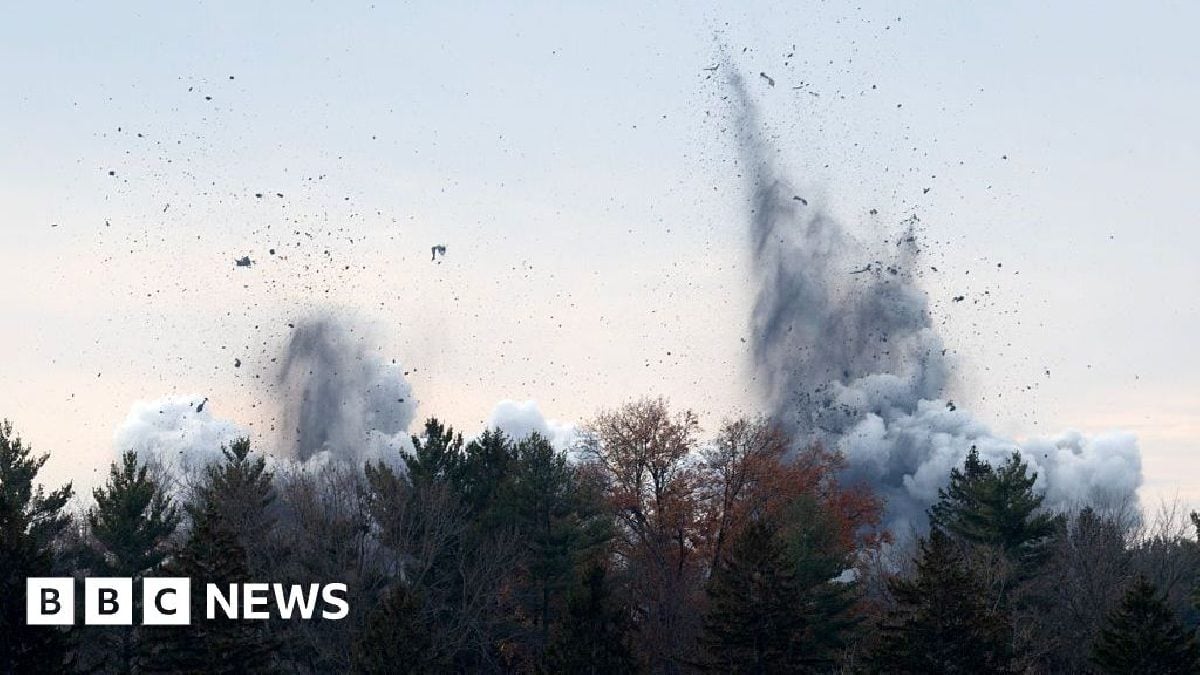
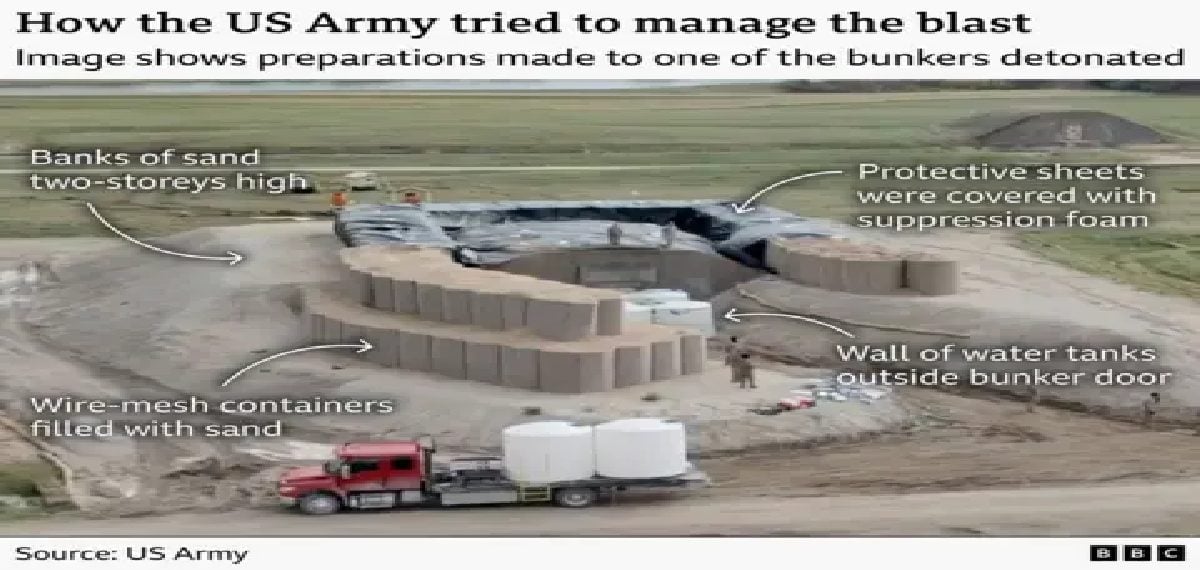
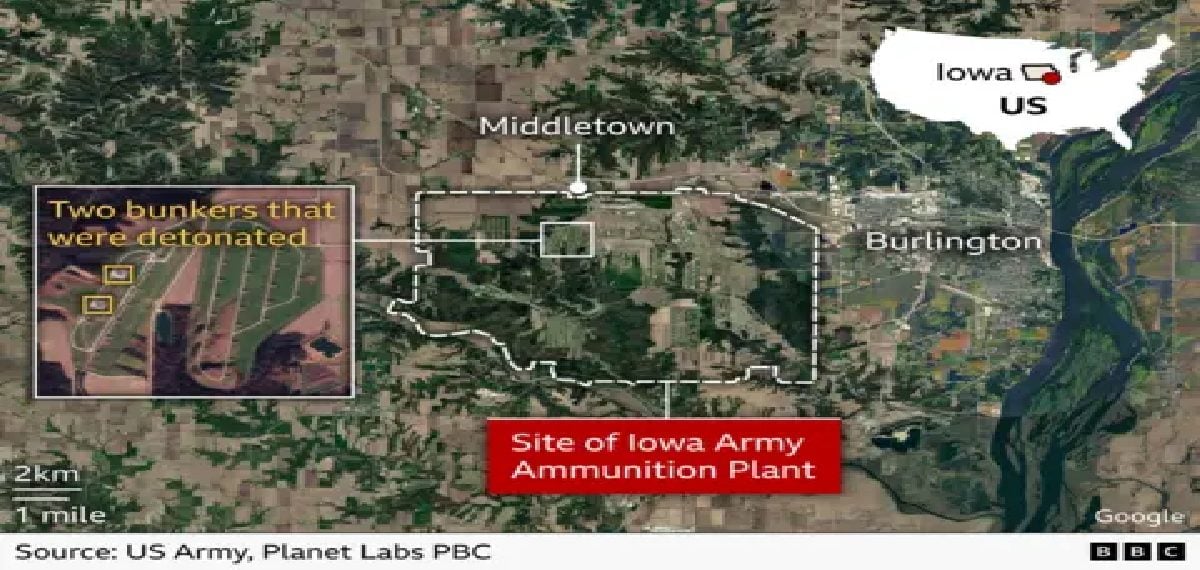
The U.S. Army carried out a controlled detonation of nearly five tonnes of degraded explosives in Iowa on Wednesday, declaring the operation a “huge success” and stating that the risk to the surrounding area was reduced to “as close to zero as is absolutely humanly possible”.
Smoke was seen rising shortly after 09:00 local time and the Army emphasized that Environmental Protection Agency monitoring showed no readings above 0.0 so far. President Donald Trump commented that mitigation efforts “far exceeded expectations”.
The explosives, including lead azide, had been stored for around 20 years and underwent recrystallisation that made them more prone to accidental detonation from friction or movement. The Army paused plans for the detonation multiple times after public outcry and legal challenges before proceeding.
Officials instituted measures such as an optional evacuation zone and a shelter-in-place advisory and warned of potential exposure to toxic lead dust, prompting concern among residents of Middletown, Iowa. Despite earlier fears, Middletown Mayor Rodney Johnson reported relief after the blast, saying he did not feel or see effects while observing from eight miles away and monitoring a camera at his home one mile from the site.
Residents such as Sandy Mabeus, who took precautions by closing windows and bringing pets indoors, reported that they did not feel or hear the explosion and monitored live streams of the detonation. Legal challenges had sought to halt the blast on environmental and health grounds, but an appeals court overturned a decision to pause the operation, concluding that an unplanned explosion posed a greater risk.
The Army framed the controlled detonation as a successful mitigation that avoided an uncontrolled blast and potential wider harm. Official readings reported by the Army and monitored by the EPA indicated no immediate elevated lead levels, and local officials expressed relief following the operation. The prior delays, public concern, and legal disputes underscored the tension between perceived environmental risk and the assessed danger of leaving unstable explosives in place.