26 Kasım 2026
açık


Army schedules a controlled detonation of degraded explosives near Middletown; safety measures and evacuations in place to protect the community.

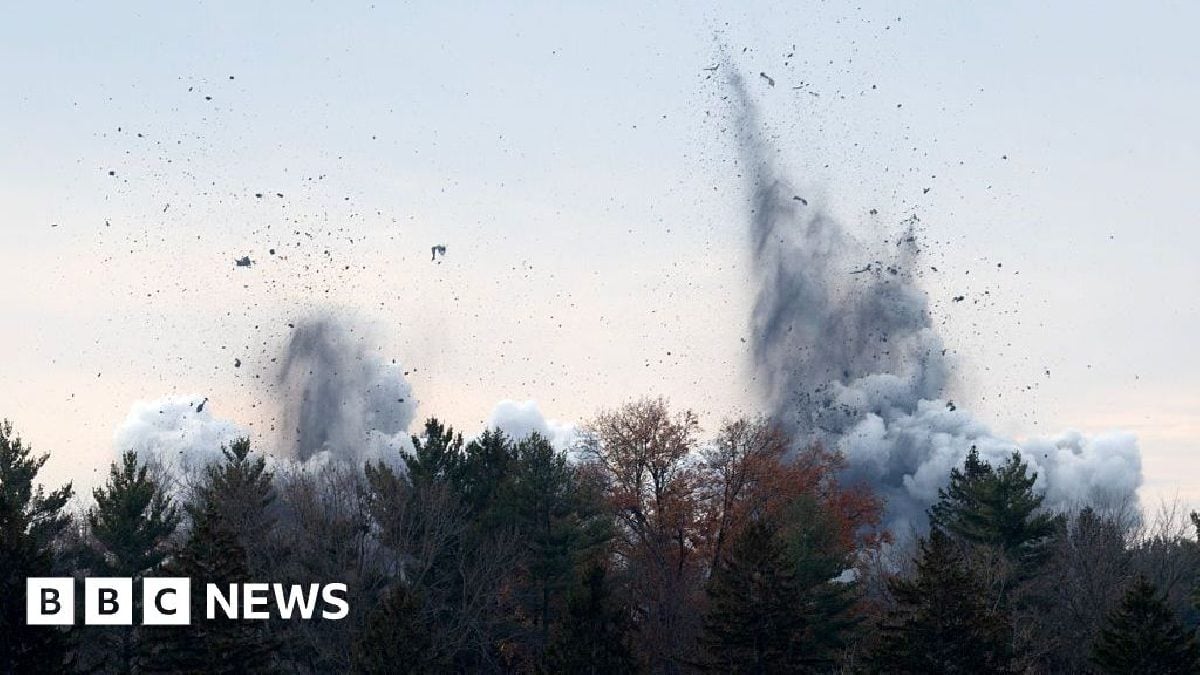
The U.S. Army will carry out a controlled detonation of five tonnes of degraded explosive material at the Iowa Army Ammunition Plant in Middletown, with officials citing the need to prevent an unplanned explosion as temperatures fall.
Authorities announced an optional five-mile evacuation zone and a 20-mile shelter-in-place advisory ahead of the operation. Officials warned of temporary noise, ground vibrations and a dust plume containing some lead, and said airborne lead dust could travel up to 100 miles depending on weather and wind.
The planned detonation follows an appeals court decision that overturned an earlier order blocking the blast amid concerns about potential health and environmental hazards from lead exposure.
Local responses varied significantly. Some nearby residents, including those with family ties to the area and the ammunition plant, expressed deep worry about long-term impacts on land and food safety. Margo Sprenger, 71, said her farm lies in the projected path of the plume and feared lasting change to her livelihood and uncertainty about future safety.
Others elected to temporarily leave the area for safety, including Beth Howard who will spend Thanksgiving away from her family farm while her partner remains to tend the property.
By contrast, many Middletown residents indicated they preferred a controlled detonation to the risk of an uncontrolled blast. Trisha Klaus and her 99-year-old grandfather, Keith McNeil, who worked at the plant for 50 years, said they planned to shelter near the Army Reserve Center.
Middletown Mayor Rodney Johnson, who grew up nearby and once suffered lead poisoning as a child, said he expected local residents were less concerned than those in outlying communities and that many would be upset if the detonation were delayed or cancelled. He noted ongoing local exposures such as crop dusters and other airborne pollutants.
Community leaders outside Middletown reported frustration over the timing and communication about the operation. Fort Madison city manager Laura Leigois said the city was notified late about the original plan and described local efforts such as covering water tower vents as steps taken to protect residents.
Some opponents continued to press for alternatives. Jeff Kurtz, a retiree from Fort Madison who helped assemble a scientific team to support a legal challenge, said he believed other disposal methods should be considered and that he would continue efforts to stop the detonation.
The planned controlled detonation reflects a tension between immediate safety measures and long-term environmental and health concerns in surrounding communities. Officials frame the operation as a preventative action to reduce the risk of an unplanned explosion as conditions change. Residents nearest to the plant appear divided between those prioritizing a managed operation and those fearing persistent contamination and uncertain consequences for agriculture and public health. The late notifications and legal challenges highlight community distrust and the demand for clearer communication and remedial assurances.