26 Kasım 2026
açık


Montenegro intensifies reforms for an EU accession treaty, aiming to secure membership by 2028 through political alignment and economic modernization.
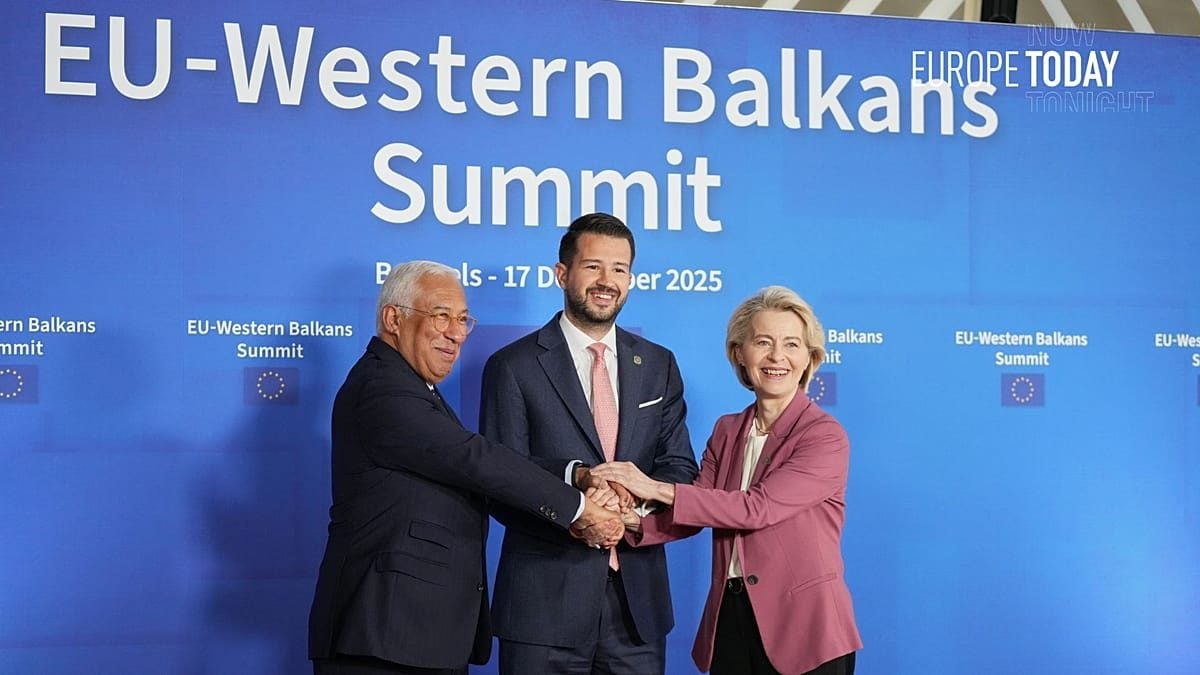
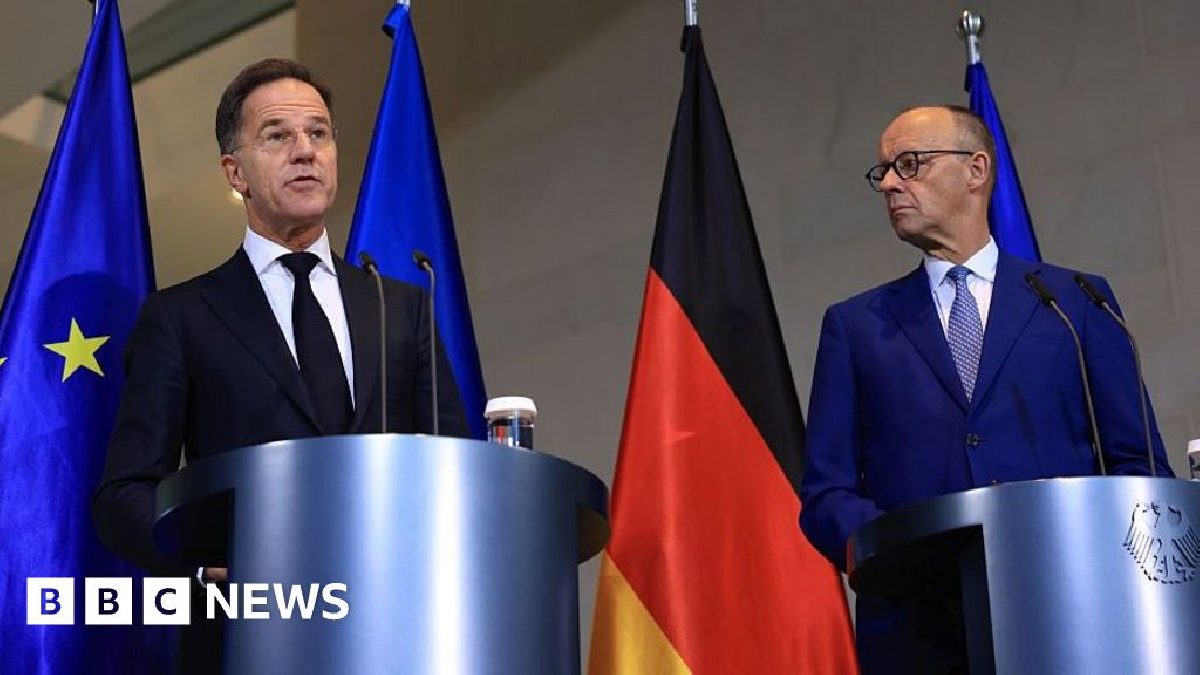
Montenegro’s President Jakov Milatović told attendees at the EU-Western Balkans summit in Brussels that he wants his country to sign an EU accession treaty in the first half of 2027 and join the European Union in 2028, setting a clear timeline for the next phase of Montenegro’s EU bid.
Leaders at the summit are expected to reaffirm the EU’s commitment to bringing Western Balkan countries into the bloc and to urge those countries to accelerate reforms. Key challenges highlighted in relation to Montenegro’s accession process include judicial reforms, the fight against corruption and organised crime, and unresolved disputes with Croatia that could hinder progress.
Hungarian Prime Minister Péter Magyar visited western Ukraine and described the meeting with President Volodymyr Zelensky as a “fresh start” in relations while discussing closer trade and transport links. At COP31 the European Union declined to back a deal that omitted fossil fuels, even as some European governments continue signing gas contracts that may extend reliance on fossil fuels.
Diaries newly released from the late Pope Francis describe three encounters with the Devil and a spiritual crisis in 2021 and 2022; his biographer Austen Ivereigh is noted for commentary on how to interpret those accounts. In other headlines Palestinian officials reported that Israeli air strikes killed seven people in Gaza including the head of Hamas’s internal security service, and Germany’s Federal Criminal Police Office reported the country recorded its highest number of domestic violence victims in 2025.
Montenegro’s specified timeline signals a drive to convert political ambition into formal EU accession steps, but the outlined obstacles underline that meeting procedural and substantive conditions remains decisive. The summit’s focus on reciprocal commitments highlights that EU leaders expect progress on rule of law, anti-corruption measures and bilateral disputes before accession can proceed. Simultaneous diplomatic moves by other regional leaders and parallel debates at COP31 illustrate that geopolitical and climate policy considerations continue to intersect with enlargement dynamics.