14 Ekim 2026
kapalı


Trump declares an energy ceasefire; Kyiv and Moscow issue swift responses amid diplomatic tensions and geopolitical uncertainty.
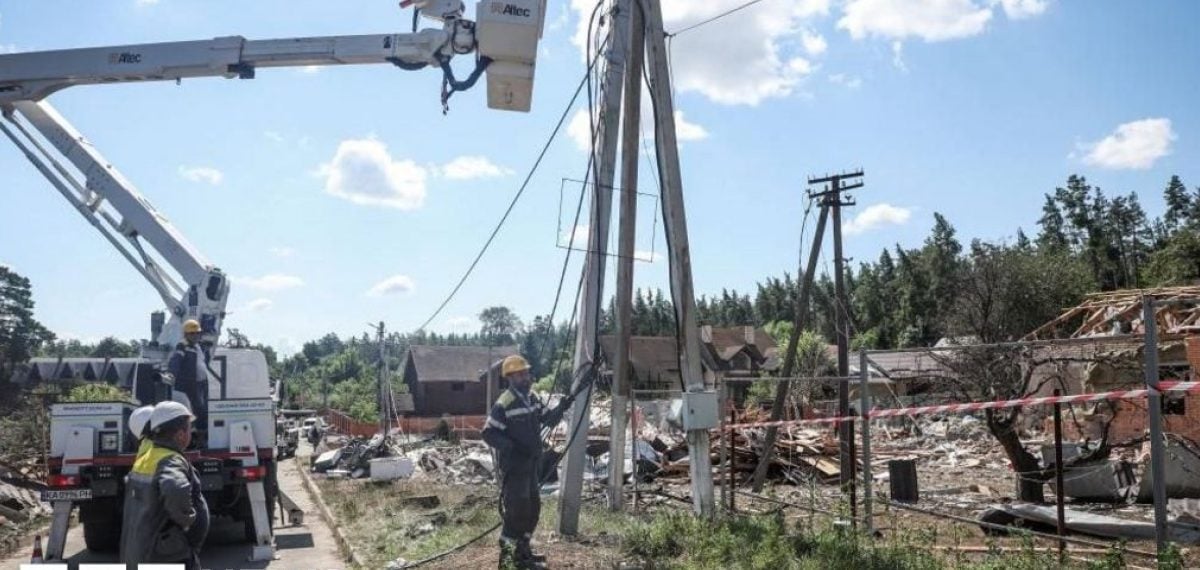
US President Donald Trump announced on Sunday that Russia and Ukraine had agreed an energy infrastructure ceasefire effective immediately, while Ukraine’s Volodymyr Zelensky said the news was new to him and Russia issued no immediate public confirmation.
Trump stated that an energy ceasefire had been agreed, prompting Kyiv to ask whether such an agreement actually existed and to say it would be willing to sign up if Russia did. Moscow’s public messaging remained limited in response to the announcement.
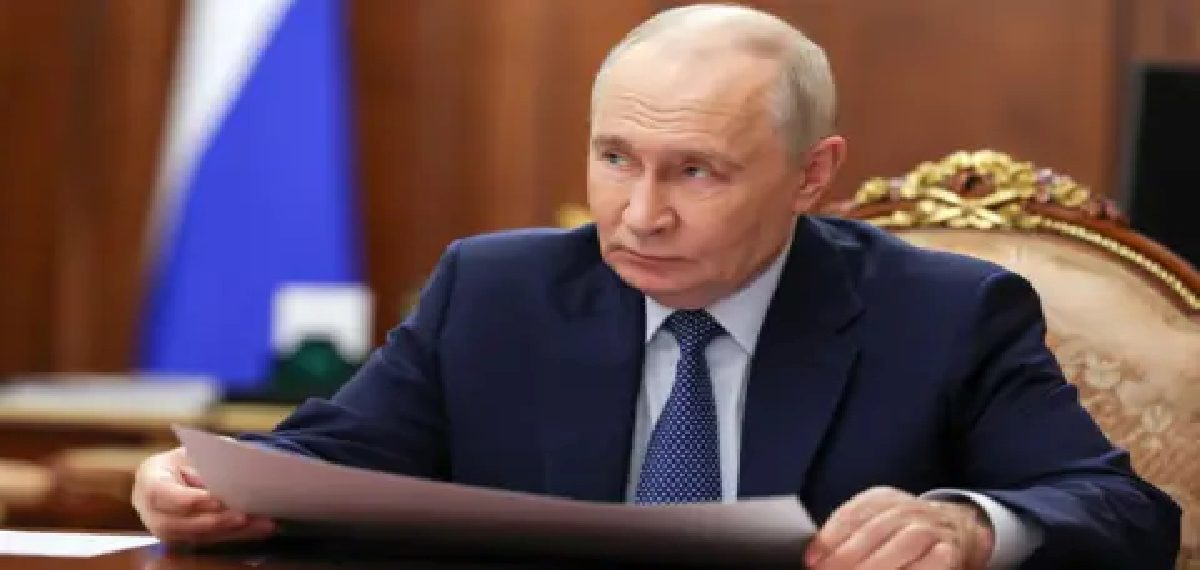
When asked about the ceasefire during his daily conference call, Russian President Vladimir Putin’s spokesman Dmitry Peskov said contacts were continuing and that the Kremlin would inform the press when there was something to report.
Pro-Kremlin media framed President Trump’s announcement as advantageous to Russia, with commentary suggesting the move would limit Ukraine’s ability to strike Russian refineries while protecting Ukrainian facilities from further destruction.
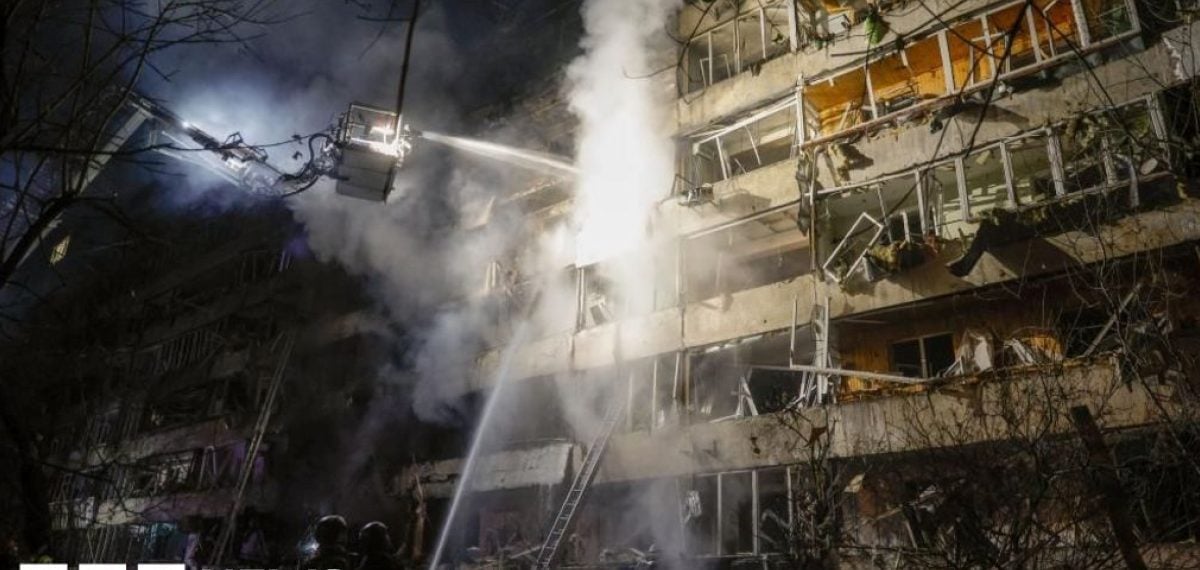
Recent long-range Ukrainian drone strikes on Russian oil facilities have caused significant damage and fuel shortages in Russia. Kremlin-aligned outlets argued that continued strikes could prompt US domestic political pressure and be portrayed as undermining a US import deal for Russian diesel promoted by President Trump.
The Kremlin appears to calculate that pressure on Washington could reduce intelligence sharing and weapons transfers to Ukraine, a dynamic it would welcome if US sentiment toward Kyiv softens. The pro-government outlet Moskovsky Komsomolets cited the potential to push Ukraine toward accepting peace on Russia’s terms.
Vladimir Putin has shown little inclination to halt major operations, and Kremlin statements indicate a preference for continued pressure on Ukraine, particularly as winter approaches. On Monday, Russian Foreign Minister Sergei Lavrov said Ukraine did not deserve the respite a ceasefire would bring.
Volodymyr Zelensky called for a 60-day Russian ceasefire to allow presidential elections in Ukraine. The Kremlin proposed a one-day cessation of hostilities to hold elections, a proposal that was unlikely to be seen as serious by Kyiv or Western observers.
President Donald Trump’s public declaration of an energy ceasefire introduced immediate confusion between Kyiv and Moscow, revealing divergent accounts and limited verification. Ukraine indicated willingness to participate only if Russia agreed, while the Kremlin delayed confirmation and continued rhetoric that emphasizes sustained pressure on Ukraine. Pro-Kremlin media presented the announcement as strategically beneficial for Russia, framing it as constraining Ukrainian strikes and protecting Russian long-term objectives. The exchange highlights the fragility of ceasefire claims in the absence of mutual public commitments and underscores the role of media narratives and diplomatic ambiguity in shaping expectations about the conflict’s trajectory.