14 Ekim 2026
kapalı


Dense haze from Indonesia’s fires blankets millions, harming health and igniting regional disputes over air quality and accountability.
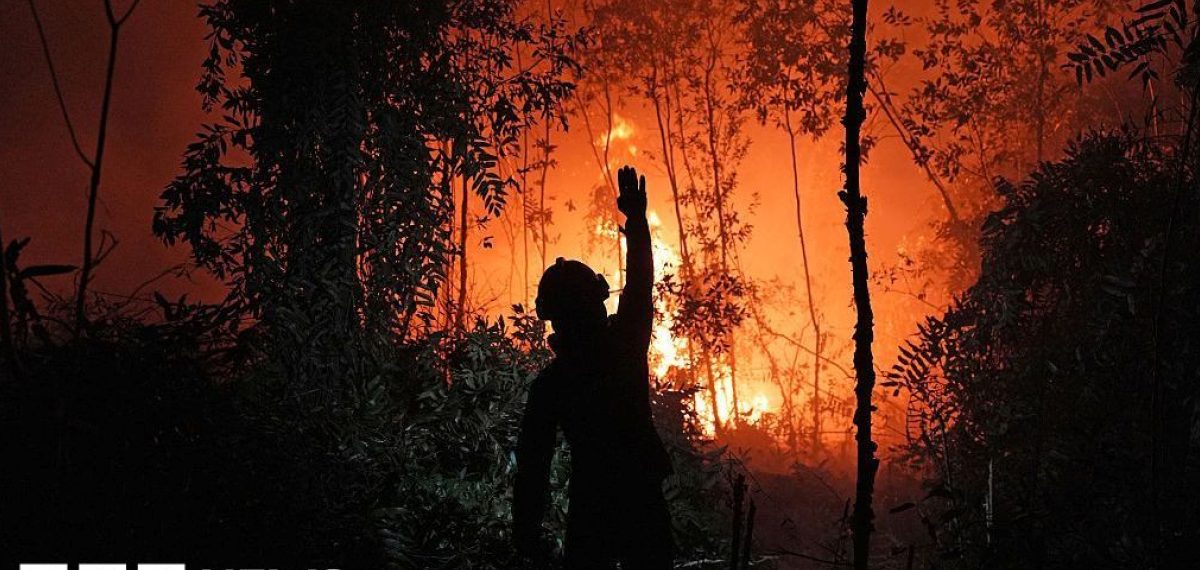
Millions across Indonesia are inhaling a dangerous, amber-tinted smog as the country confronts its worst wildfire season in a decade. Thick haze has shrouded large parts of Kalimantan and Sumatra, driving air-quality readings to hazardous levels and forcing public-health precautions.
The pollution has crossed national borders, obscuring Singapore’s skyline and prompting some Malaysian schools to close. Public anger is growing at companies accused of using fire to clear land, and at authorities who have struggled to halt the blazes.
An unusually strong El Niño has intensified dry conditions, fueling more widespread and persistent fires this year. Independent monitoring by Nusantara Atlas recorded 1,043,377 wildfire hotspots across Indonesia, with approximately 900,000 hectares of land burned.
Many fires stem from the agricultural practice known as slash-and-burn, historically used by smallholders to enrich soil. Today, however, the technique is often linked to large-scale commercial land clearing. Activists and investigations repeatedly point to some companies using fire as a low-cost method to open new planting areas — even though open burning is illegal in Indonesia.
Faced with persistent haze, authorities have increased enforcement. President Prabowo Subianto has called for stricter punishments, describing intentional burning as “ecological terrorism.” Indonesian regulators recently suspended the operating licences of 26 companies tied to fires and launched inquiries that could lead to criminal prosecutions.
Greenpeace identified firms based in Singapore and Malaysia with links to burning on Indonesian land, including Singapore-listed First Resources and Malaysia’s Kuala Lumpur Kepong. Both companies have issued statements denying condoned burning and emphasizing fire-prevention measures, while noting many fires began beyond their concessions.
Singapore’s 2014 Transboundary Haze Pollution Act enables action against local and foreign entities that contribute to haze. When Singapore sought to use the law after a severe 2015 episode, it drew criticism from Jakarta and faced obstacles obtaining company information due to limited cooperation. That episode left diplomatic scars and complicated cross-border efforts.
Public remarks have sometimes inflamed tensions. Past comments from Indonesian leaders that appeared dismissive of neighbouring countries’ concerns provoked backlash. Recently, a government communications official sparked outrage by asserting that Indonesian forests supply oxygen to Singapore and Malaysia “when there is no smoke,” a line that was widely mocked and criticized online.
Civil-society groups in Indonesia are pressing the government for stronger action. In West Kalimantan, activists filed a class-action lawsuit accusing the state and President Prabowo of “gross negligence” over repeated toxic haze events, urging the hazard to be declared a national disaster so health costs and recovery measures can be covered. A similar suit in South Sumatra was dismissed last year.
On the ground, people face ongoing health and economic strain. In Pekanbaru, Sumatra, a 63-year-old motorcycle taxi driver, Imrayedi, described persistent shortness of breath and headaches but said he must continue working despite the risks. Many residents lack alternatives and urge faster, more effective action to resolve the crisis.