18 Eylül 2026
kapalı


Professional recap: Spain echoes 2010 blueprint, rising as an under-the-radar 2026 side to reach the final once more.
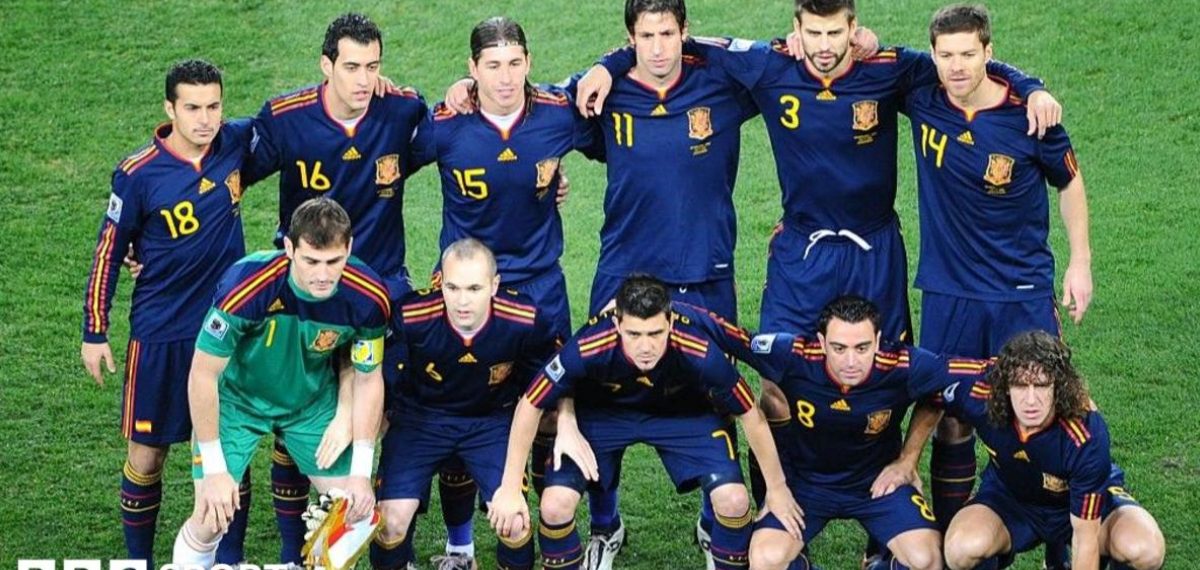
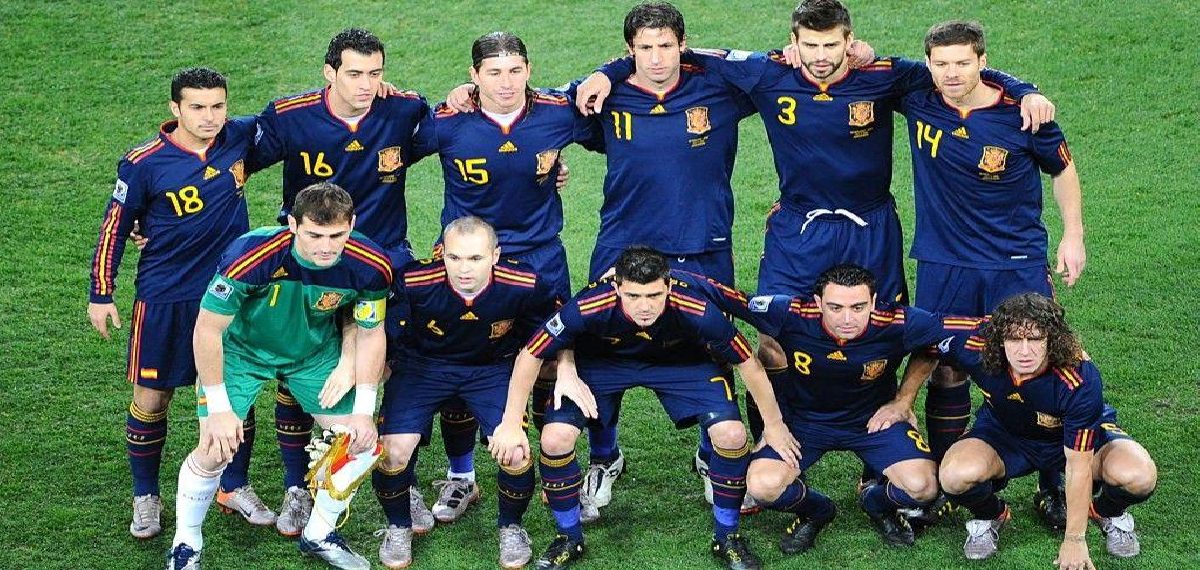
The 2026 Spain team, guided by Luis de la Fuente, have reached the World Cup final on 19 July, mirroring the achievement of Spain’s 2010 side that won the tournament with Andrés Iniesta’s extra-time goal against the Netherlands, and their current run features a 37-match unbeaten streak and a record six clean sheets at a single World Cup.
Goalkeeper Iker Casillas (2010) and Unai Simón (2026) were virtually the same age in their respective finals at 29.1 years; Casillas entered the 2010 final with 110 caps while Simón had 65. Simón holds a World Cup-related record for most consecutive matches without conceding in regulation play (six), a run that includes one game from 2022.
At full-back, the 2010 duo of Sergio Ramos and Joan Capdevila (ages 24.3 and 32.4 with 66 and 51 caps) are compared with Pedro Porro and Marc Cucurella (ages 26.8 and 28.0 with 23 and 31 caps) from 2026, with the latter pair delivering strong tournament performances despite lower international experience.
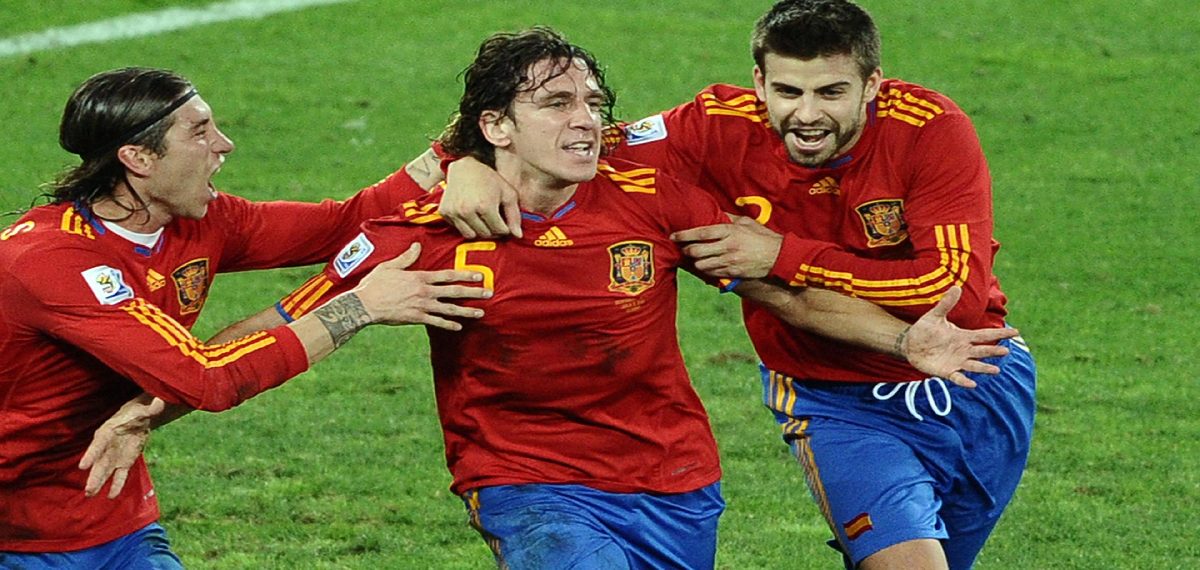
Central defence again pairs an experienced and a younger player: Carles Puyol and Gerard Piqué in 2010 (ages 32.2 and 23.4, 89 and 22 caps) versus Aymeric Laporte and Pau Cubarsí in 2026 (ages 32.1 and 19.5, 53 and 19 caps). The 2010 pairing conceded two goals in South Africa, while the 2026 pairing have conceded one fewer so far.
In midfield, Sergio Busquets and Xabi Alonso (2010; ages 22.0 and 28.6, 19 and 75 caps) are matched by Rodri and Fabián Ruiz (2026; ages 30.1 and 30.3, 69 and 49 caps). Rodri led tournament passing and was among the top tacklers, while Ruiz contributed from a midfield role complemented by sustained Champions League success.
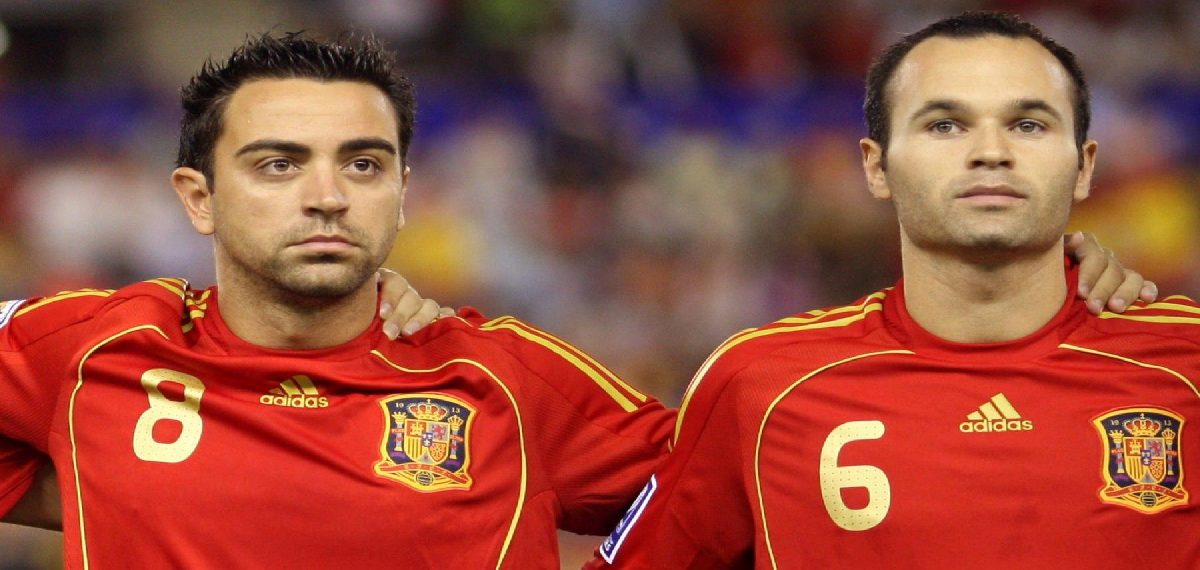
The creative midfield of Xavi Hernández and Andrés Iniesta (2010; ages 30.5 and 26.2, 93 and 48 caps, 8 and 7 goals) is contrasted with Dani Olmo and Álex Baena (2026; ages 28.2 and 25.0, 57 and 23 caps, 12 and 3 goals), with Xavi and Iniesta noted for their historic partnership and decisive contributions in 2010.
In attack, David Villa and Pedro (2010; ages 28.6 and 23.0, 64 and 7 caps, 42 and 1 goals) are set against Lamine Yamal and Mikel Oyarzabal (2026; ages 19.2 and 29.2, 32 and 60 caps, 7 and 30 goals). Yamal, a teenage starter, had one tournament goal while Oyarzabal produced five goals in the run to the final; Villa had been joint top scorer at the 2010 tournament with five goals.
Both Spain squads entered their World Cups following European Championship victories two years earlier. The 2026 side shows continuity with the 2010 model through a balance of experienced and younger players across positions. Statistically, the 2026 team has a higher average age (27.8 v 26.7) but fewer average caps (33 v 56), while maintaining a prolonged unbeaten streak and setting a national record for clean sheets at a single World Cup.