18 Eylül 2026
kapalı


MPs to investigate BBC selection process after the UK’s poor Eurovision results, probing accountability and future strategy for contest entries.
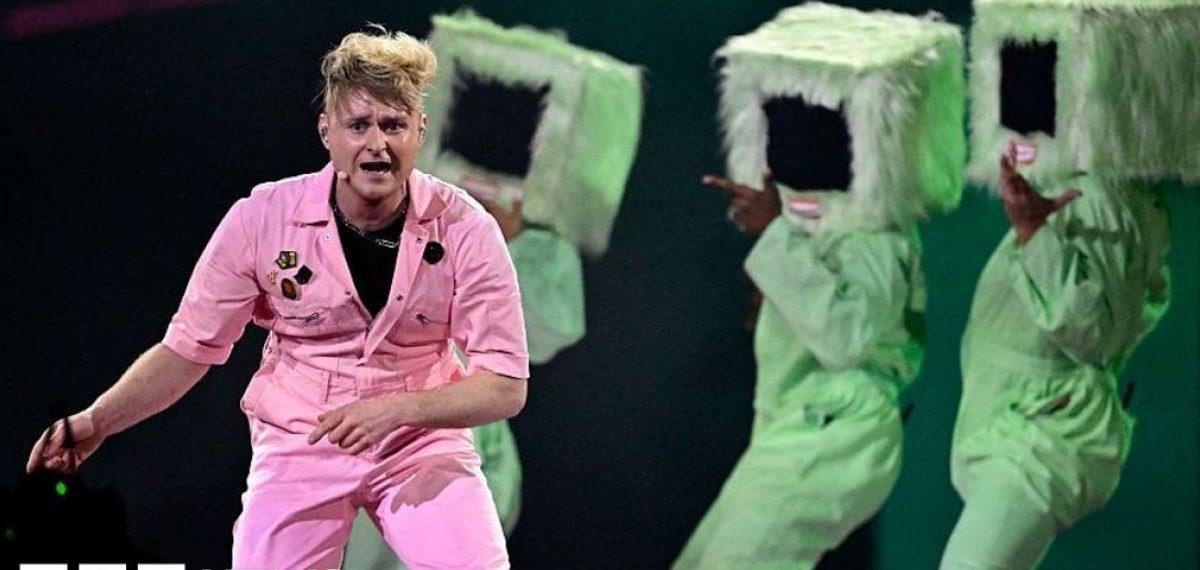
The Digital, Culture, Media and Sport committee has applied to hold a hearing examining how the BBC chooses the United Kingdom’s Eurovision entrant, who selects songs and why the UK has returned several low finishes in recent years, MPs said. The inquiry follows recent results including Look Mum No Computer finishing last with one point, Michael Rice finishing last in 2019, James Newman scoring “nul points” in 2021, and Mae Muller placing second from bottom in 2023, while Sam Ryder’s second place in 2022 remains an exception.
Committee chair Dame Caroline Dinenage said the panel wants to establish who makes the selection, on what basis choices are made and whether poor results reflect song choice, performance or other factors. Figures from the BBC and music industry experts are expected to be invited to give oral evidence, and written submissions will also be considered.
The UK has rarely placed highly at Eurovision in the past 15 years, with only one top-15 finish beyond Sam Ryder’s 2022 second place. The last UK win was in 1997 when Katrina and the Waves won with “Love Shine A Light.” The BBC has sometimes worked with record labels or managers to select entrants; the last televised public selection was Eurovision: You Decide in 2019, which chose Michael Rice.
The committee’s application cites the UK’s recent pattern of low placements, including last-place finishes and near-bottom results, despite the country’s strong record of successful artists. The inquiry will gather testimony from the BBC and music industry figures and may lead to a short report with recommendations to the broadcaster after evidence is reviewed.