24 Eylül 2026
açık


Silverstone unveils Copse Triangle and new accessibility measures to enhance British GP experiences for neurodivergent fans.
What happened, where, who said it, when and the main outcome: At the British Grand Prix at Silverstone, organisers introduced a dedicated viewing area called Copse Triangle and expanded accessibility measures for neurodivergent spectators, the circuit’s head of customer service Louise Broomhall and accessibility champion Sue Davidson said during the race weekend in 2026; the initiative aimed to provide a quieter, limited-capacity space and additional support for autistic and neurodiverse fans.
Silverstone created Copse Triangle as a small, grass-covered trackside viewing area reserved for neurodivergent attendees through its Personal Assistance Scheme. The space offers a clear sightline to on-track action while keeping fans away from much of the off-track crowds and sensory overload.
The move responds to growing demand: organisers reported that neurodivergent applicants make up at least 20% of accessibility ticket requests. Broomhall said the venue’s awareness and support have expanded significantly since she began working at Silverstone.
Families received practical pre-event information, including a printed leaflet detailing accessible facilities. That advance information helped attendees prepare, reducing uncertainty for some visitors and enabling earlier planning for children with autism.
On-site provisions beyond Copse Triangle included a family zone with a sensory room and about 120 additional volunteers, or “race makers,” to assist accessibility needs during the event. Staff emphasised that the area fosters understanding and peer support among neurodiverse visitors and their families.
Organisers noted that while quieter hybrid engines have made modern Formula 1 more accessible, proposals to return to louder V8 engines by 2030 or 2031 could affect neurodivergent fans accustomed to lower noise levels. Silverstone said it is focusing on measures it can control immediately to improve the spectator experience.
Parents and staff described the decision to attend large events as complex for families with autistic members, involving careful planning around travel, crowds, sounds and sensory triggers. The accessibility arrangements at Silverstone aimed to reduce those barriers while recognising some stressors remain unavoidable.
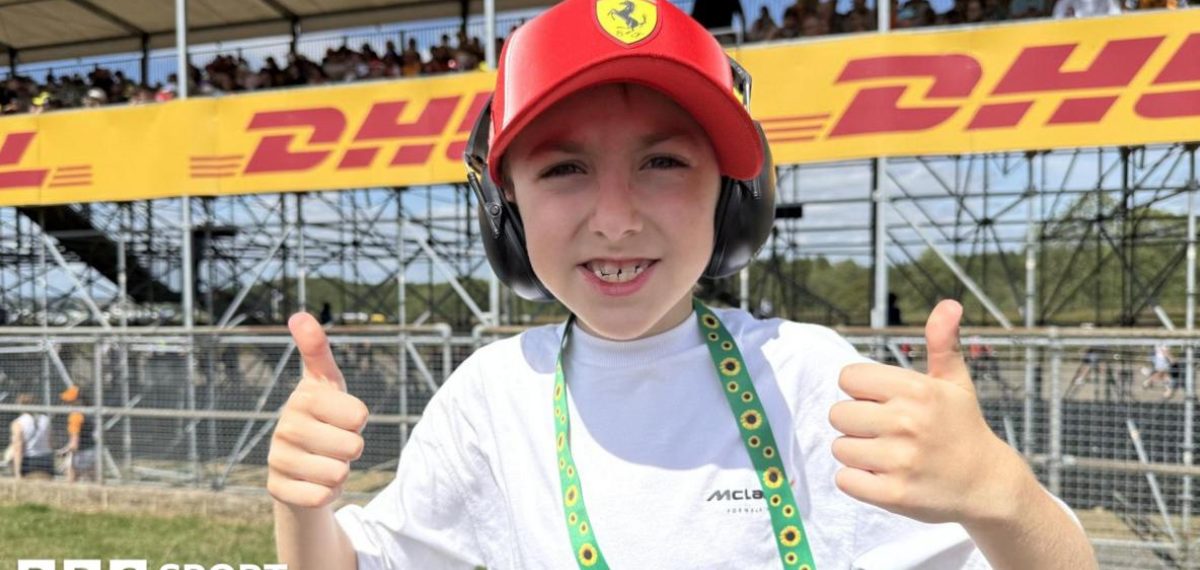
One attendee, whose nine-year-old son Joshua has autism and ADHD, said the dedicated provision and patient support helped the child manage sensory challenges over the race weekend, enabling the family to participate in multiple days of activity.
Broomhall and Davidson highlighted that Copse Triangle’s limited capacity and the sympathetic environment have encouraged friendships among visitors and provided a sense of acceptance. Silverstone intends to continue refining its approach based on feedback from neurodivergent fans and their families.