
22 Eylül 2026
az bulutlu


A new artificial muscle technology developed by MIT researchers mimics the way human muscles work using electrically charged fluids. Experts believe the innovation could provide an alternative to conventional motors and hydraulic systems in robotics.
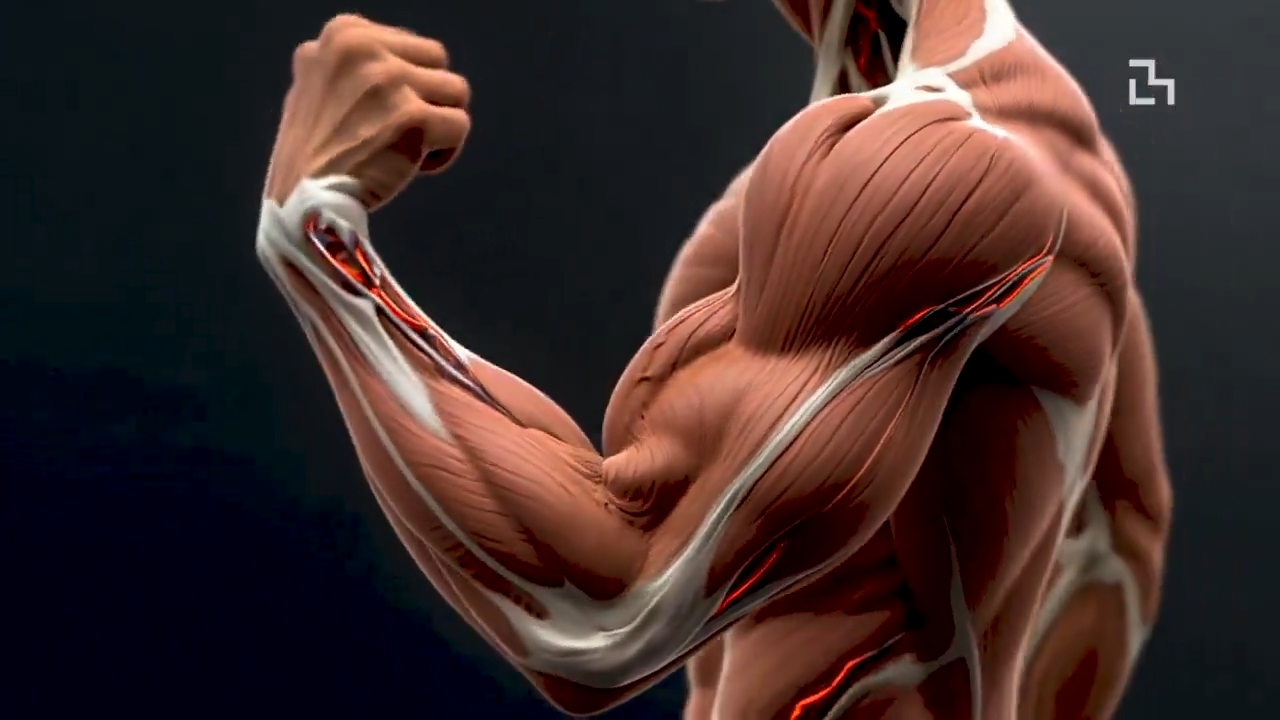
A new development in robotics has attracted significant attention across social media. MIT researchers have reportedly developed an artificial muscle technology that mimics the functioning of human muscles and could dramatically reduce both costs and mechanical complexity in robotic systems.
According to claims shared by social media user Hurricane, the technology replaces the heavy motors, gears, and hydraulic mechanisms commonly found in traditional robotics with artificial muscle fibers powered by electrically charged fluids.
Based on the information presented, the system operates through a specialized fluid that becomes ionized when exposed to electrical energy. As a result, the fibers contract and relax in a manner similar to biological muscles, generating mechanical movement.
One of the most notable features of the technology is its ability to function without relying on conventional motor systems. The artificial muscle fibers are reported to operate silently while providing flexibility comparable to that of natural muscles.
The system’s modular design also allows additional fibers to be added to increase force output. This approach could reduce the need for larger and more expensive motors when scaling performance.
Experts note that artificial muscle technologies have been studied in robotics and bioengineering for many years, although such systems have not yet reached widespread commercial adoption.
Nevertheless, next-generation artificial muscles are believed to have significant potential applications in humanoid robots, medical prosthetics, industrial automation systems, and wearable technologies.
While some social media posts have claimed that the “mechanical era is over,” industry specialists caution that conventional motor technologies are unlikely to disappear in the near future. However, artificial muscle systems could substantially reshape the design and capabilities of future robotic platforms.