21 Eylül 2026
açık


Regional elections see Merz’s CDU falter while AfD gains ground, reshaping Germany’s political landscape and prompting strategic recalibrations.
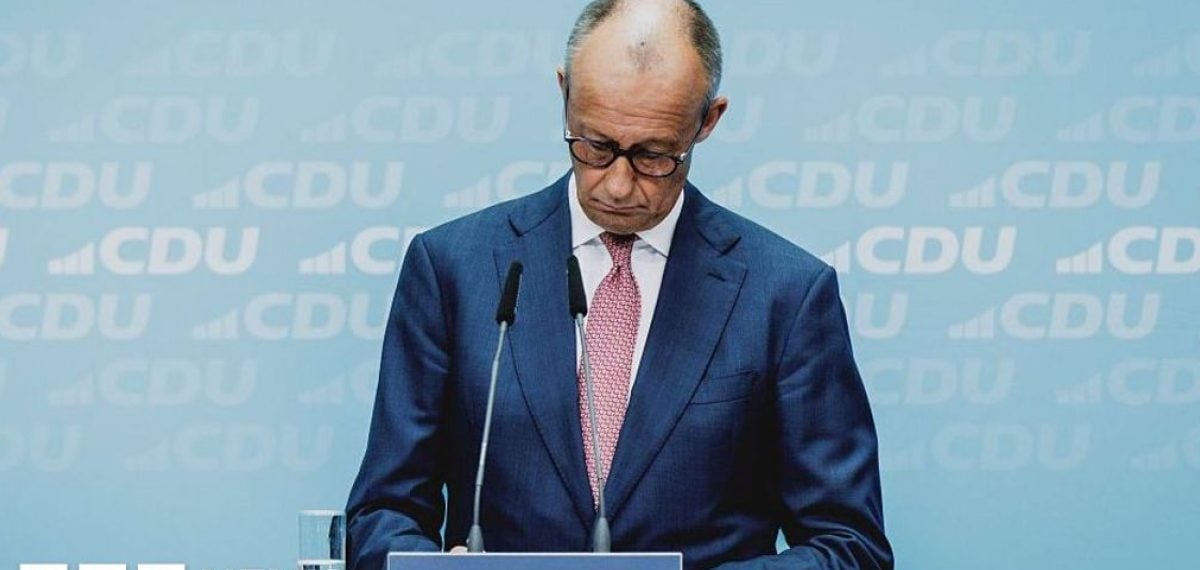
Germany witnessed decisive regional election results that left Chancellor Friedrich Merz’s Christian Democratic Union (CDU) with historically low public support while the Alternative for Germany (AfD) made significant advances, according to preliminary counts and post-election statements. The CDU failed to reach the 5% threshold in Mecklenburg-Vorpommern, and the AfD emerged as a leading force in multiple states, challenging the traditional balance of power.
Preliminary results show Merz’s popularity at around 13%, the lowest recorded for a German chancellor since polling began, and the CDU suffered three poor regional showings within weeks. The AfD became the largest faction in two of those contests and may be in a position to govern in Saxony-Anhalt despite parts of the party being described by German authorities as anti-democratic and far-right.
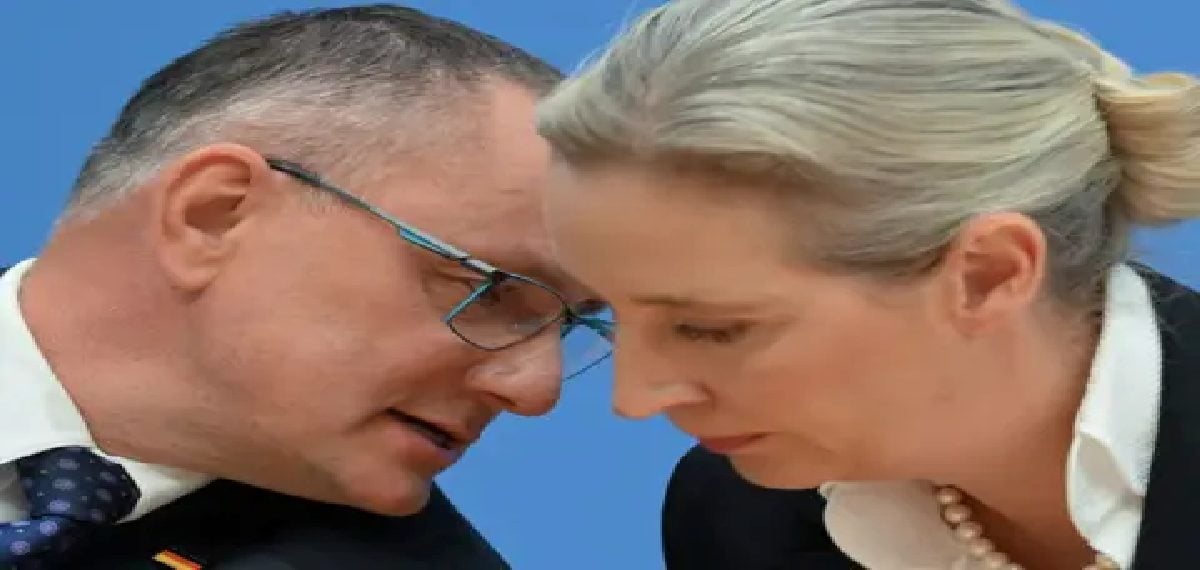
AfD co-leaders Tino Chrupalla and Alice Weidel reported strong national polling for their party following gains in Saxony-Anhalt, Mecklenburg-Vorpommern and Berlin, where the hard-left Die Linke also made advances. Weidel said the AfD has effectively replaced the CDU as a catch-all people’s party, while the AfD rejects the far-right label.
The reported decline in Merz’s support and the AfD’s regional successes reflect shifts in voter sentiment highlighted in the source material: widespread dissatisfaction with economic conditions, concerns about immigration and security, and the political consequences of energy and trade pressures after Russia’s invasion of Ukraine. The AfD’s poll surge and regional victories are presented as direct responses to these voter concerns in the original reporting.
Merz responded to the results in a televised address, saying he would pursue tax, welfare and economic reforms and urging “backbone, steadfastness and patience.” Reports indicate internal CDU discussions about leadership alternatives, though no candidate publicly emerged prior to or in the sourced text.
Germany’s economic role in Europe and its contributions to the EU and to Ukraine were emphasized in the original coverage, noting that instability in Germany can have wider eurozone and EU budget implications. The reporting also cited factors affecting German voters: the financial crisis fallout, the 2015 migration wave, high energy costs due to reduced Russian supplies, U.S. trade measures and competition from China.