06 Ekim 2026
parçalı bulutlu


Nationwide student protests escalate after deadly clashes and mass arrests, prompting urgent calls for investigation, accountability and peaceful dialogue.
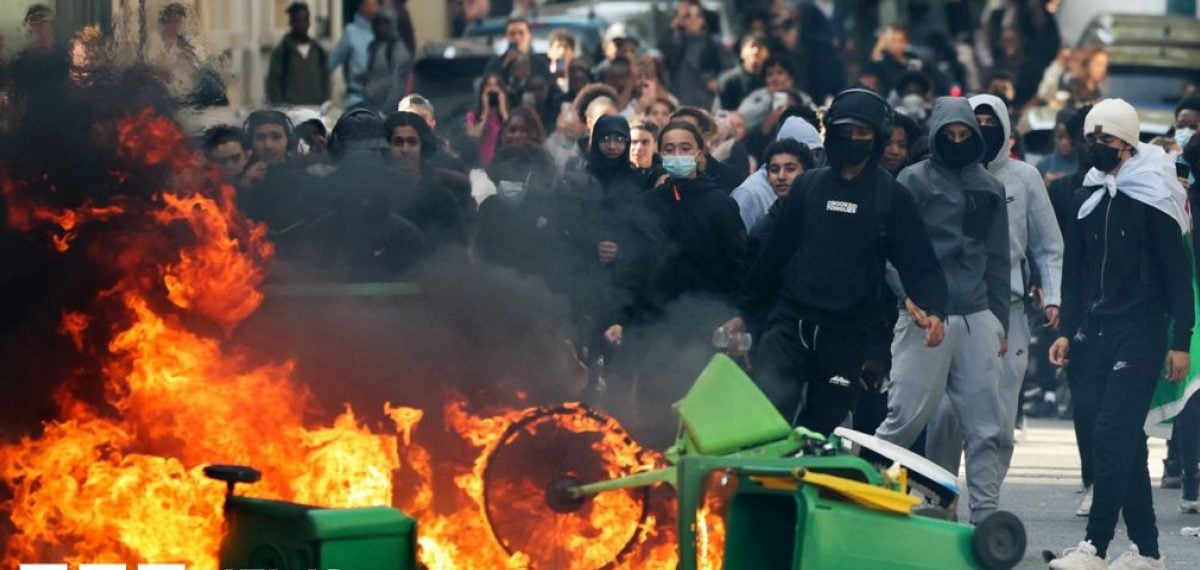
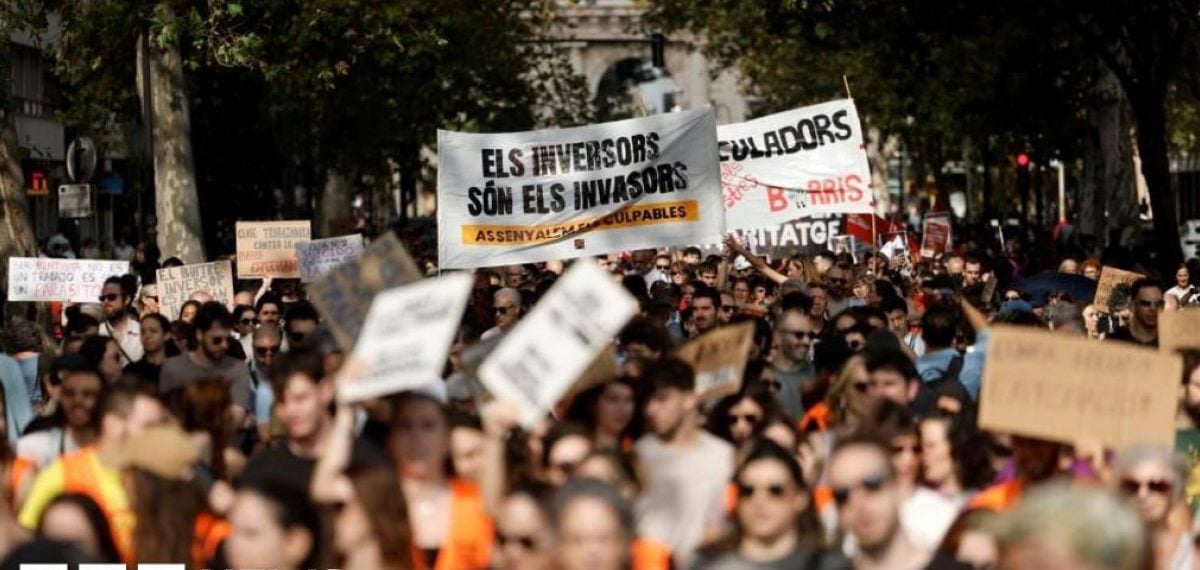
Students across France staged a nationwide day of action on Tuesday, escalating a wave of demonstrations that began in September in Paris and spread across the country over grievances about overcrowded classrooms, run-down buildings and a lack of teachers.
Organisers called for the mobilisation after a week of blockades at hundreds of schools that left at least 190 students injured and resulted in more than 5,000 arrests. The Union Syndicale Lycéenne described the government response as offering “nothing concrete” and called for people to join the protests in the face of what it called unprecedented repression.
French authorities have introduced measures intended to address difficulties faced by secondary school students and education staff, with Prime Minister Sébastien Lecornu promising visible changes in schools while saying the government would make no concessions to violence and standing by students and staff who have been assaulted as well as police officers and gendarmes who have been injured.
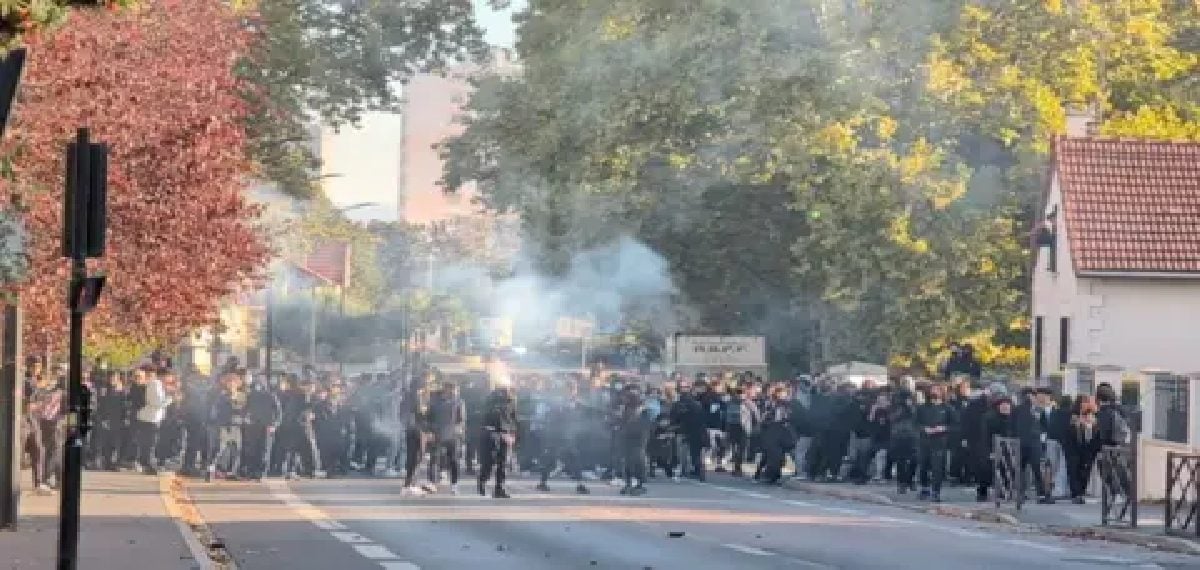
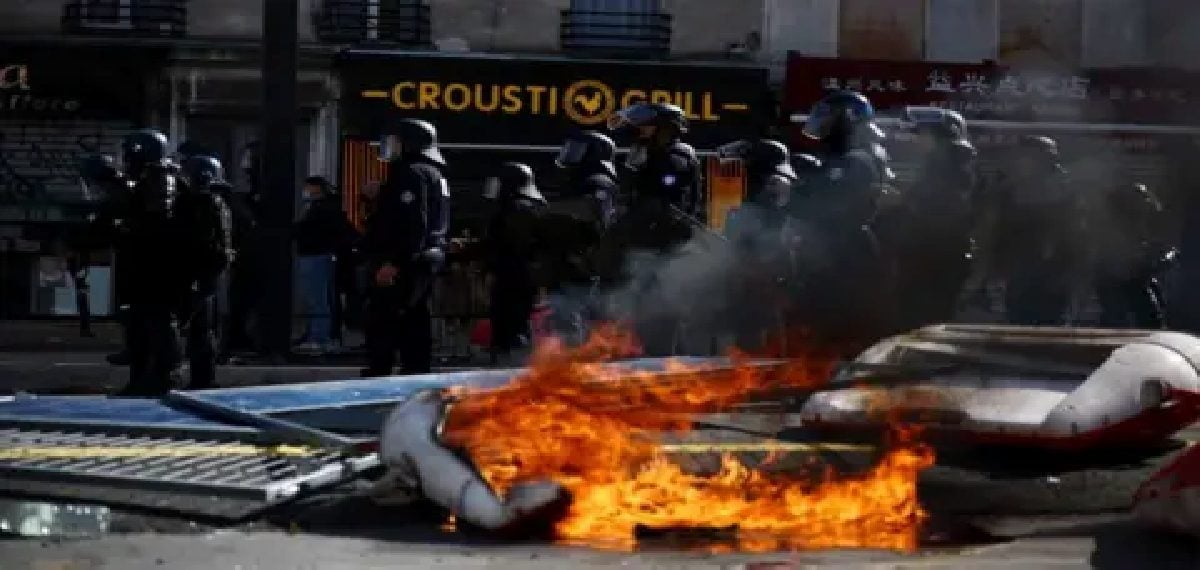
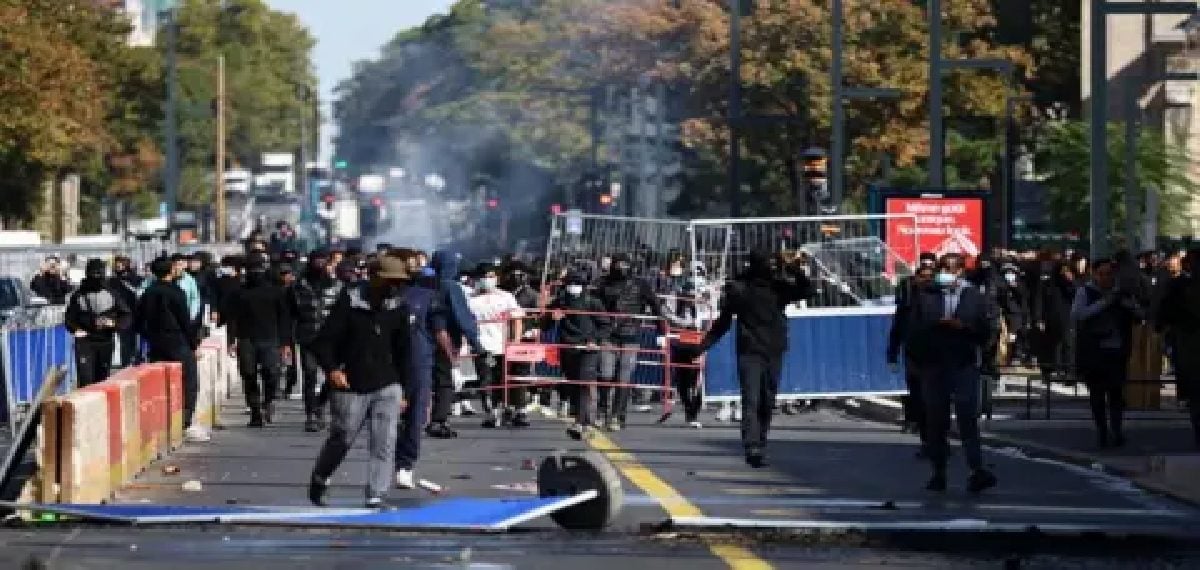
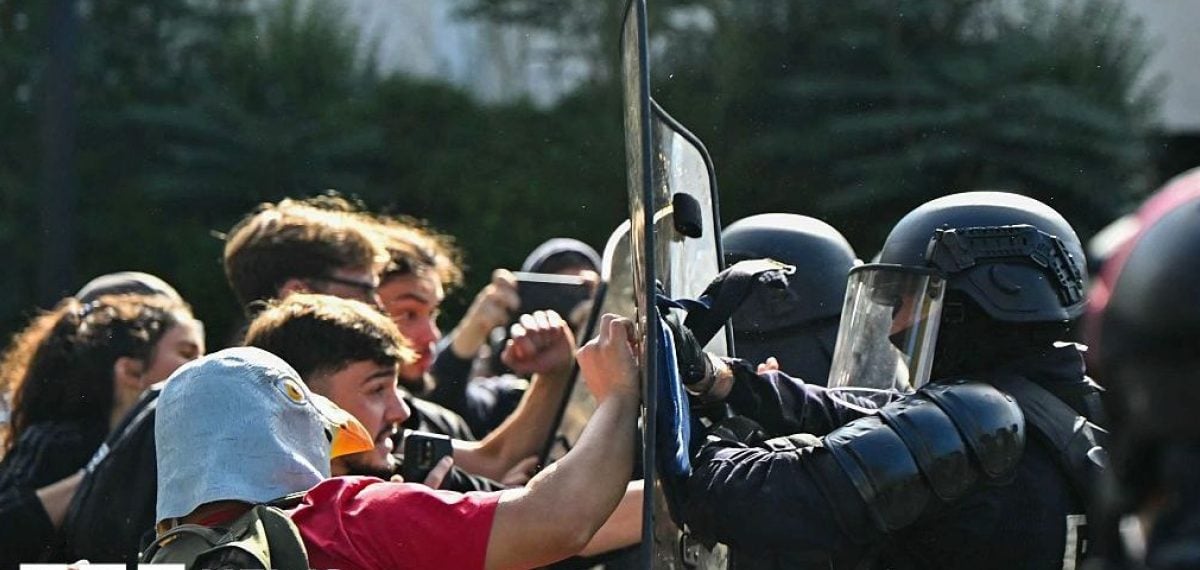
Clashes between protesters and police have been violent in several places, with incidents including rubbish bins and road materials set on fire and confrontations near campuses and high schools. Education Minister Édouard Geffray said 24 schools had been burned and ransacked since the start of the protests.
The unrest has produced serious injuries among young demonstrators. On Monday a 15-year-old boy in Lens lost a hand during a confrontation and was transferred to hospital with injuries described by officials as not life-threatening. Last week Eden, 14, in Saint-Ouen-l’Aumône suffered a double jaw fracture after reportedly being struck in the head by a tear gas grenade and underwent major surgery.
Among the 5,060 people arrested since the start of the movement, 87% were minors and 13% were adults, according to France’s justice ministry. Fourteen people have been placed in pre-trial detention, while 1,802 people face prosecution, including 319 adults and 1,483 minors.
The USL has accused police of excessive force. Interior Minister Laurent Nuñez said the demonstrations had been policed in an extremely proportionate manner. Parallel political debate has intensified as leaders weigh in: Jean-Luc Mélenchon described the protests as the most powerful youth movement since 1968, while hard-right figures accused the left of organising riots and called for tougher anti-riot measures.
The protests reflect sustained discontent among high school and university students about long-standing issues in the education system, and the escalation into widespread blockades and violent confrontations has intensified scrutiny of both government responses and policing tactics. Government promises of visible changes signal political recognition of the grievances, yet the scale of arrests and the number of injured minors complicate efforts to de-escalate and risk further polarisation ahead of the presidential campaign. The injuries and reported property damage underscore the potential for localised outbreaks of violence to shape public perception of the movement and the authorities’ handling of it.