02 Kasım 2026
parçalı bulutlu


King Charles to address the Commonwealth on the legacy of the transatlantic slave trade during his Caribbean visit, focusing on reconciliation and remembrance.
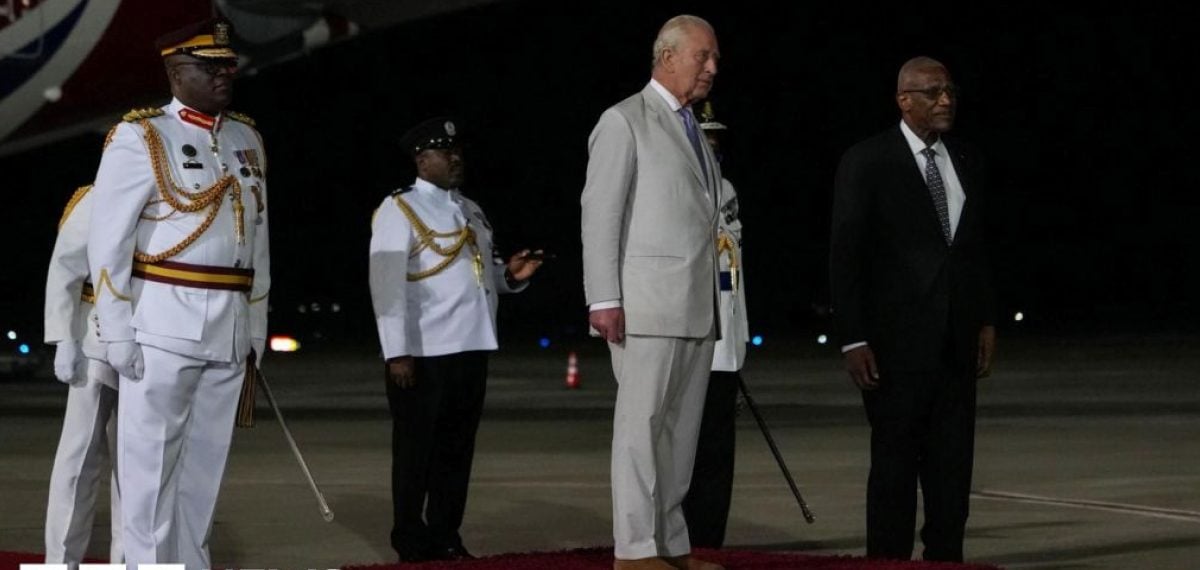
The King will confront the enduring hurt caused by the transatlantic slave trade with honesty and sincere sorrow, Buckingham Palace said, as he concludes his Caribbean tour in Antigua. His remarks, planned for the Commonwealth Heads of Government Meeting (CHOGM), will acknowledge painful chapters of history while respecting ongoing governmental discussions about the issue.
Palace officials emphasised that the King will not comment on government policy, noting it would be inappropriate for him to react to policy positions. At the same time, they said he would not avoid the shameful elements of the past and would address them directly with measured candour.
Prime Minister Andy Burnham has signalled he is open to the UK issuing a formal apology for its role in slavery, a shift from previous government stances. Buckingham Palace was reportedly informed in advance of Burnham’s opinion piece, but the King is not altering his prepared speech in response. Historically, the British government has not issued a formal apology or offered reparations for slavery.
Throughout the tour the King has engaged with difficult historical and contemporary issues. In the Bahamas he referred to the “suffering of the past,” and in Guyana he visited the site linked to the 1823 Demerara Slave Rebellion, where hundreds were killed. Buckingham Palace described that visit as an opportunity for the King to deepen his understanding of both slavery and resistance.
Royal aides stressed that decisions about apologies and reparations are matters for the government, not the Royal Household. One aide described the King as experienced at walking a diplomatic tightrope and willing to undertake visits that involve complex relationships and sensitive topics. The Palace highlighted the monarch’s role in supporting the UK’s interests, the Realms and the wider Commonwealth.
The King sees the Commonwealth as a body with the capacity to effect change: compact enough for leaders to cooperate, but broad enough to have meaningful reach. Royal sources say he contributes ideas and encouragement across many areas, from young people’s opportunities and trade to environmental concerns, often producing practical outcomes that benefit millions.
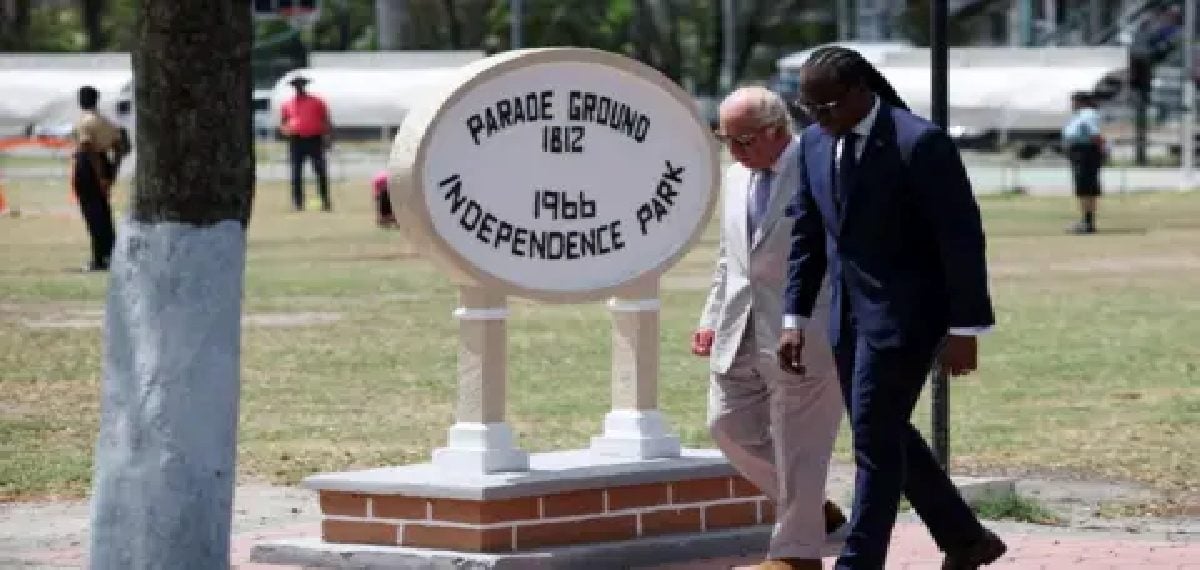
Queen Camilla has accompanied the King in Antigua. Their schedule includes a Sunday church service followed by participation in island Independence Day celebrations. During earlier engagements, the King and Guyanese cultural official Steven Jacobs visited Independence Park, a site tied to public executions after the Demerara rebellion.
Despite carrying out numerous engagements in hot, humid conditions and approaching his 78th birthday, the King remains on a ‘positive trajectory’ in his cancer treatment, according to the Palace. By the end of the nine-day tour he will have completed around 36 public duties.
The tour comes amid several personal challenges for the monarch. Recent months have seen public attention on his brother, Andrew, and the release of a book by Earl Spencer. In August, his son Prince Harry returned to the UK with Meghan and their children, drawing further media focus.
Palace officials gave brief responses when asked about these family issues: the King stands by the actions he has taken regarding family matters, and the Palace declined to comment publicly on private disputes, including allegations about Meghan’s father, Thomas Markle.