10 Ekim 2026
açık


Iran’s Revolutionary Guard says it struck a tanker in the Strait of Hormuz; regional tensions rise as maritime security and international responses are scrutinized.
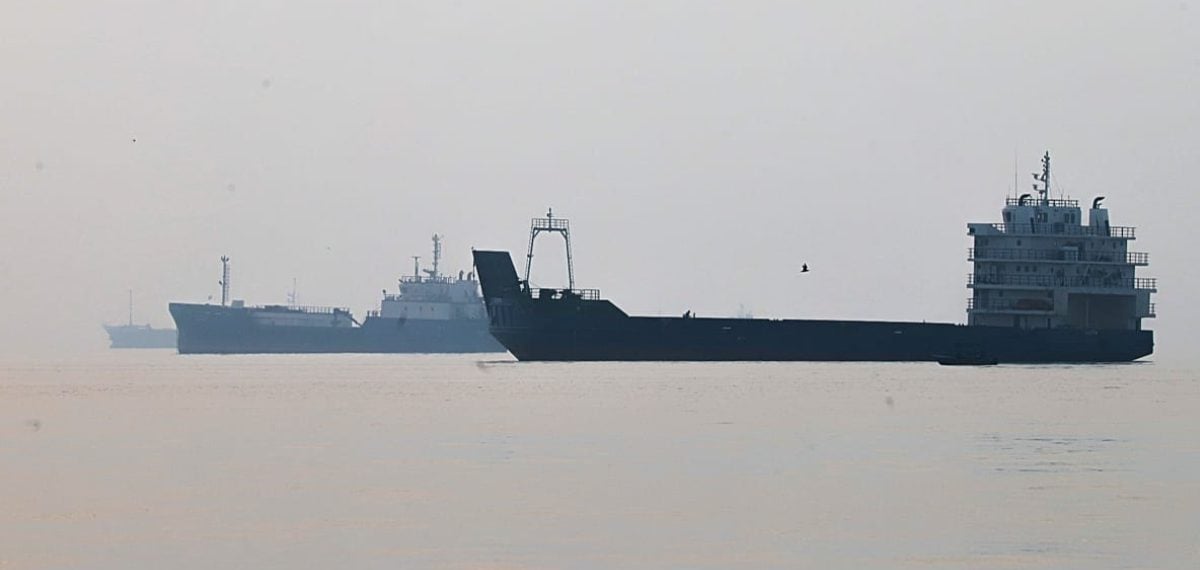
The Islamic Revolutionary Guard Corps said it set an oil tanker ablaze in the Strait of Hormuz after the vessel attempted to use an unauthorised route through the strait’s southern section, causing fire in the engine room and damage to its propulsion system.
The IRGC warned that action against vessels it deems in violation would not be confined to the Strait of Hormuz and that ships using what it describes as unauthorised routes could be pursued and targeted anywhere in the region. It also said companies cooperating with the United States would face sanctions and that all their vessels could be targeted.
In its statement the IRGC blamed the United States military for the incidents in the strait, accusing Washington of interfering in the decisions of shipping and insurance companies and paying large bribes to induce compliance. The IRGC said the direct responsibility for the incidents and the escalation of tensions in maritime transport in the region lies with the US army.
Tehran’s Friday prayer leader Hojjatoleslam Mohammad Javad Ali-Akbari said the strait would remain closed until Iran’s conditions were fully met, noting that Iran had set out seven conditions and would decide its next steps once they were met. He added that military readiness had improved, weak points had been addressed, and Iran’s strategy had shifted from defence to offence.
US Central Command said it had cleared the strait’s main shipping lanes, removed naval mines from principal transit routes, and declared them open to all vessels not in violation of US maritime sanctions against Iran, adding that thousands of commercial ships had passed through safely as a result.
The UK Maritime Trade Operations centre reported that an LPG carrier was struck by unknown projectiles 13 nautical miles west of Al-Jazira in the United Arab Emirates, resulting in a major fire that was later brought under control. UKMTO had also reported an earlier attack on an oil tanker north of Qatari waters that caused casualties. Vanguard reported a tanker fire roughly 40 kilometres off Fujairah in the Gulf of Oman, identifying the vessel as probably the Dalkut under the Marshall Islands flag.
At least 12 attacks, attempted attacks or harassment incidents targeting oil tankers and gas carriers were recorded in the strait between 28 September and 5 October, the highest weekly figure since the war began on 28 February, according to media reports. The Strait of Hormuz, through which roughly a fifth of the world’s oil and gas shipments normally pass, has been effectively closed since the outbreak of the war, following Iranian missile and drone strikes on commercial vessels and a US Navy blockade of Iranian ports.
Recent data indicate that oil exports from other countries in the region, excluding Iran, have returned to pre-war levels in recent days.
The IRGC’s declaration that it targeted the MV Sun Shine and its statement of intent to pursue and sanction vessels and companies signal an escalation in maritime enforcement rhetoric and a broader geographic scope for actions described as responses to unauthorised navigation. Competing claims by US Central Command that main shipping lanes have been cleared and are open underline a contested security environment in which commercial transit, military statements and allegations of interference intersect. Reported strikes and fires on multiple commercial vessels over a short period reflect increased risks to merchant shipping and contribute to sustained disruptions in a chokepoint that normally carries a significant share of global oil and gas shipments.