22 Eylül 2026
az bulutlu


Indonesian court convicts 19 in baby-trafficking ring, prompting urgent questions over the future and legal status of infants in Singapore.
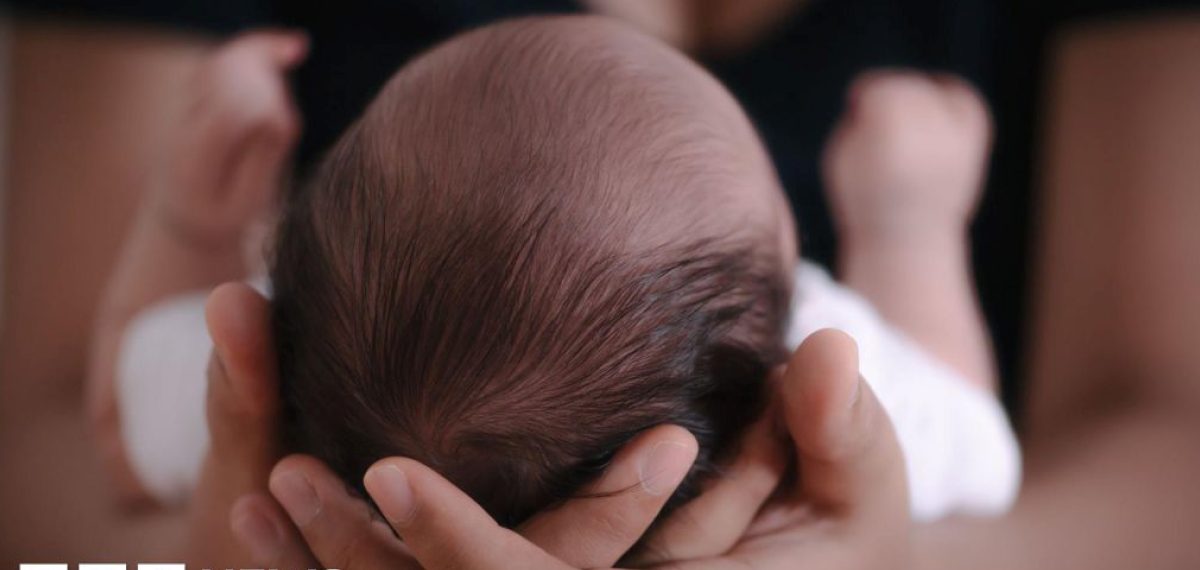
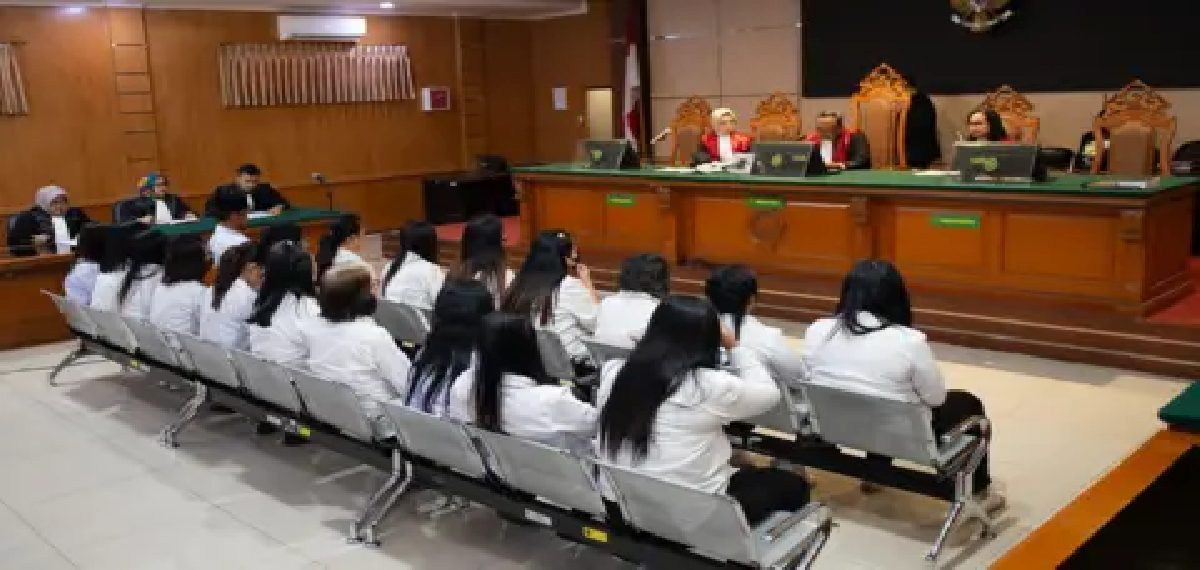
An Indonesian court on Tuesday convicted 19 people for procuring at least 34 babies and selling them for adoption, leaving unresolved the key question of what will happen to the infants who were sent to Singapore.
The traffickers were found guilty of obtaining the children through falsified documents; at least 12 babies were transferred to Singapore between 2023 and 2025. Adoptive parents in Singapore, who underwent government checks during adoption, have expressed anxiety about whether they will be allowed to keep the children after the verdict.
After the conviction, Indonesia’s foreign affairs ministry said several aspects still require examination, including the children’s legal status, the identities of biological parents and ongoing proceedings in Singapore, while reiterating a commitment to prioritising the children’s best interests.
Singapore’s ministries for home affairs and social and family development said they are working closely with Indonesian authorities to obtain information on the children and biological parents, and that the children’s best interests would be a key consideration for courts handling pending adoption applications. They also stated that based on available information they were presently unable to conclude any offence was committed in Singapore or by Singaporeans or Singapore-based entities.
During the trial the trafficking ring’s ringleader said four people in Singapore had approached her to procure babies, and Indonesia’s Interpol branch publicly named the Singaporean adoption agency that handled the cases. The court found the traffickers submitted false information when applying for birth certificates and family cards, listing trafficking ring members as the children’s birth mothers, and local officials had issued documents based on that information.
Legal experts told the BBC that revoking adoption orders in Singapore would be highly complicated because adoption orders are generally treated as final following substantial safeguards and checks. Courts considering any revocation could weigh factors such as the psychological impact on the child, the time the child has spent in Singapore, and the living conditions the child would face if returned to Indonesia.
Indonesian child protection officials and anti-trafficking groups have argued the children should be returned to biological parents where possible. However, authorities have not yet identified all birth parents; some children rescued from the ring are already in state or orphanage care in Indonesia.
The convictions establish criminal responsibility for the trafficking network that procured at least 34 infants and exported at least 12 to Singapore. Key follow-up issues identified in the source reporting include unresolved determination of the children’s legal status, incomplete identification of biological parents, ongoing Singaporean legal processes over adoption applications, and competing considerations between returning children to Indonesia and the potential trauma of separating them from adoptive families in Singapore.
Authorities in both countries have signalled they will prioritise the children’s best interests while continuing information exchanges and legal reviews.