03 Ekim 2026
parçalı az bulutlu


IEA and G7 coordinate a significant strategic oil reserve release to stabilize markets, ease supply strains, and support global energy security.
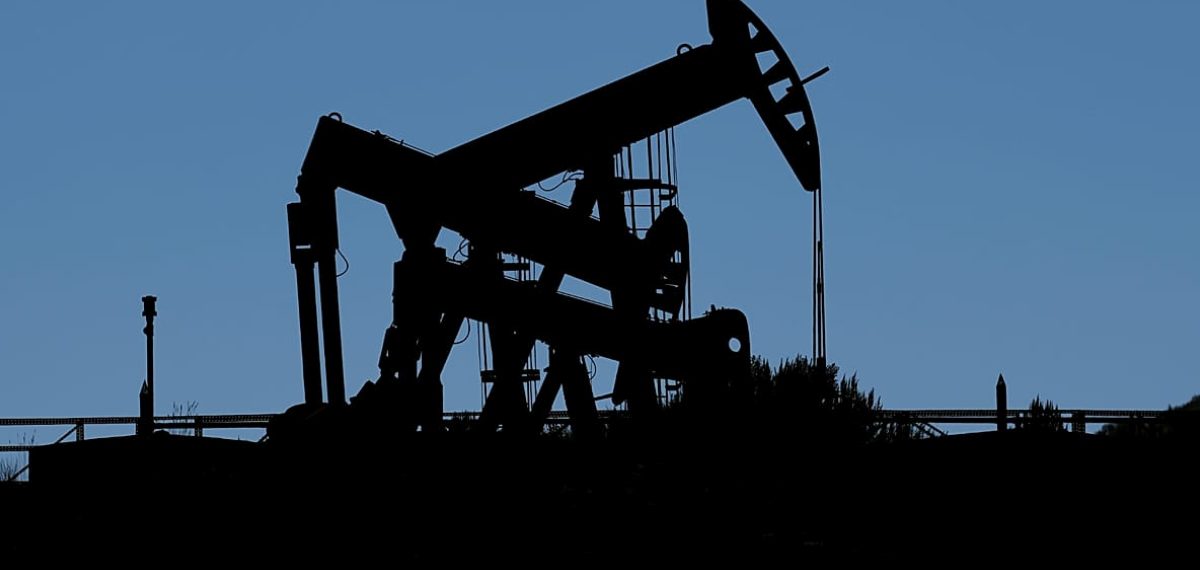
The International Energy Agency said on Saturday that member countries have released 325 million barrels of oil and oil-derivative products from strategic reserves out of the 400 million barrels pledged in March, marking a significant step in addressing fuel supply concerns.
The update followed a G7 statement issued by French President Emmanuel Macron’s office, which said G7 leaders agreed in coordination with the IEA to immediately release 100 million barrels of diesel and crude oil after pressure from the United States on Europe to tap reserves amid supply disruptions caused by the US-Iran war.
The G7 statement did not clarify whether the newly announced 100 million barrels include the remaining 75 million barrels from the March IEA commitment or represent an additional release. The IEA described the collective action announced on 11 March as having seen “around 325 million barrels” released so far, representing over 80 percent of the originally pledged 400 million barrels.
Donald Trump’s administration has been urging allies to release diesel reserves to ease a spike in diesel prices experienced in the United States and elsewhere. The report cited disruptions linked to the war in the Middle East, including Iran restricting shipping through the Strait of Hormuz in response to US and Israeli attacks, and mentioned that Ukraine’s strikes on Russian refineries have also affected the market as Kyiv retaliates against Moscow’s attacks.
The coordinated release indicates sustained international effort to stabilize fuel markets amid multiple geopolitical shocks. Releasing 325 million barrels so far shows that members have largely implemented the March pledge, but ambiguity around the recent 100 million barrel announcement leaves questions about the total additional supply available. Continued pressure on reserves reflects ongoing concerns about diesel shortages and price volatility driven by the conflict-related disruptions cited in the report.