20 Kasım 2026
parçalı bulutlu


ICJ rules Myanmar committed genocide against Rohingya, mandates reparations and urgent measures to protect survivors and ensure accountability.
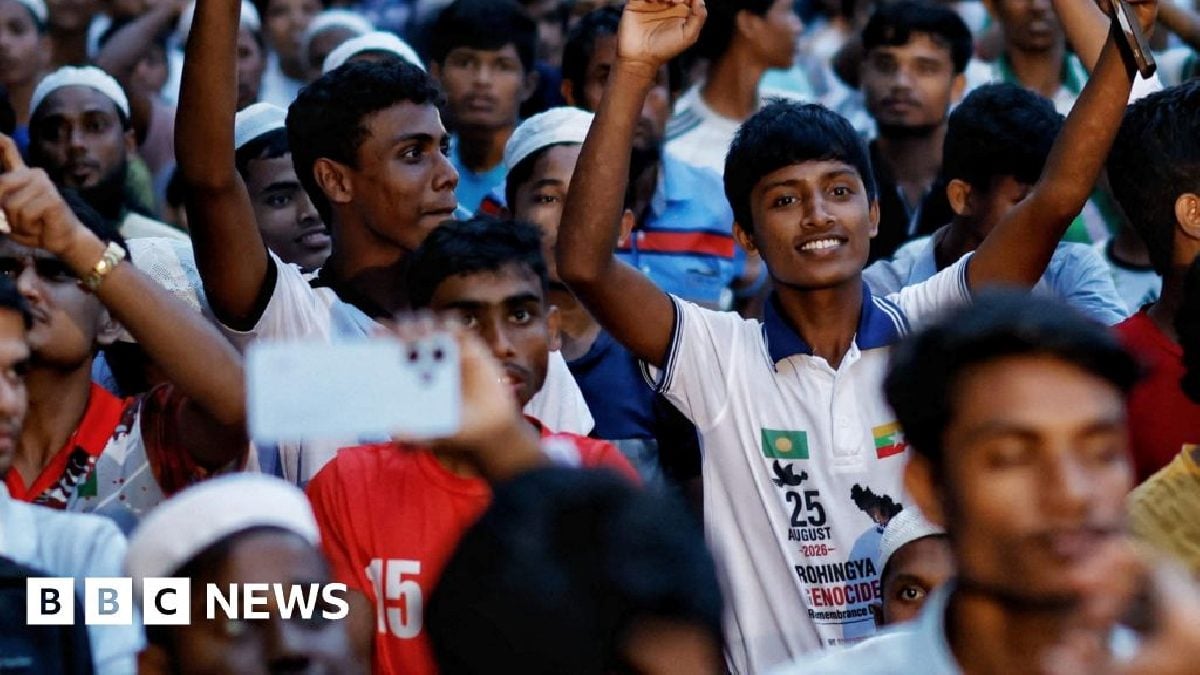
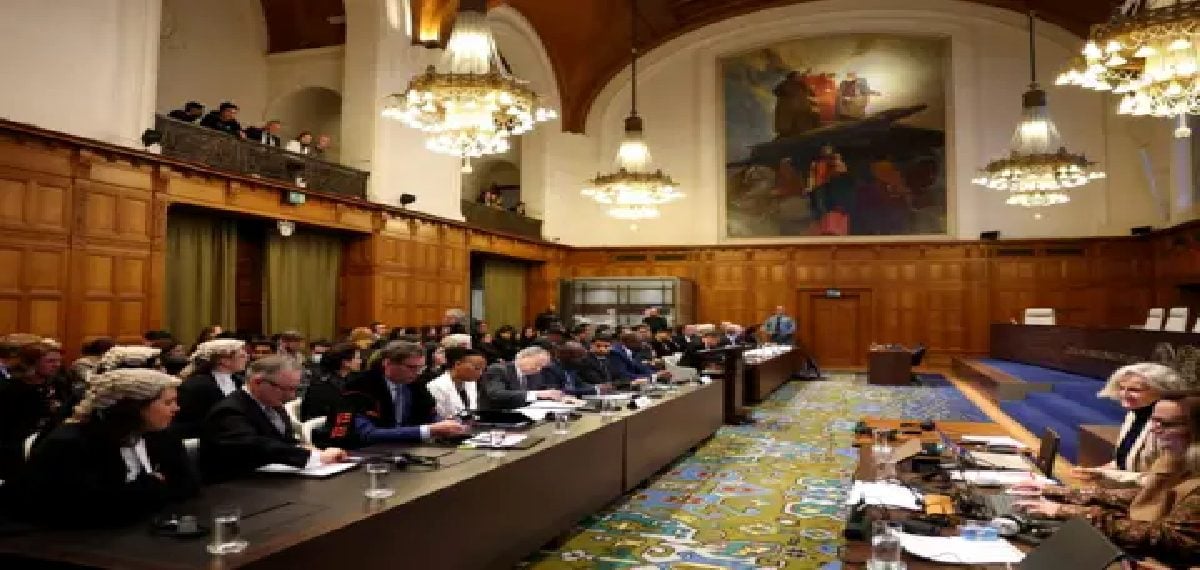
The International Court of Justice in The Hague has ruled that Myanmar committed genocide against the Rohingya people, concluding a case brought by The Gambia in 2019 and finding Myanmar in breach of the 1948 Genocide Convention.
The court majority of nine to six referenced evidence of mass murder, rape, torture and the destruction of villages, including instances where Rohingya residents were burnt to death inside their homes. The judgment recalls testimony presented since the case began and highlights the large-scale displacement and killings during the 2017 operations by Myanmar’s security forces and local militias.
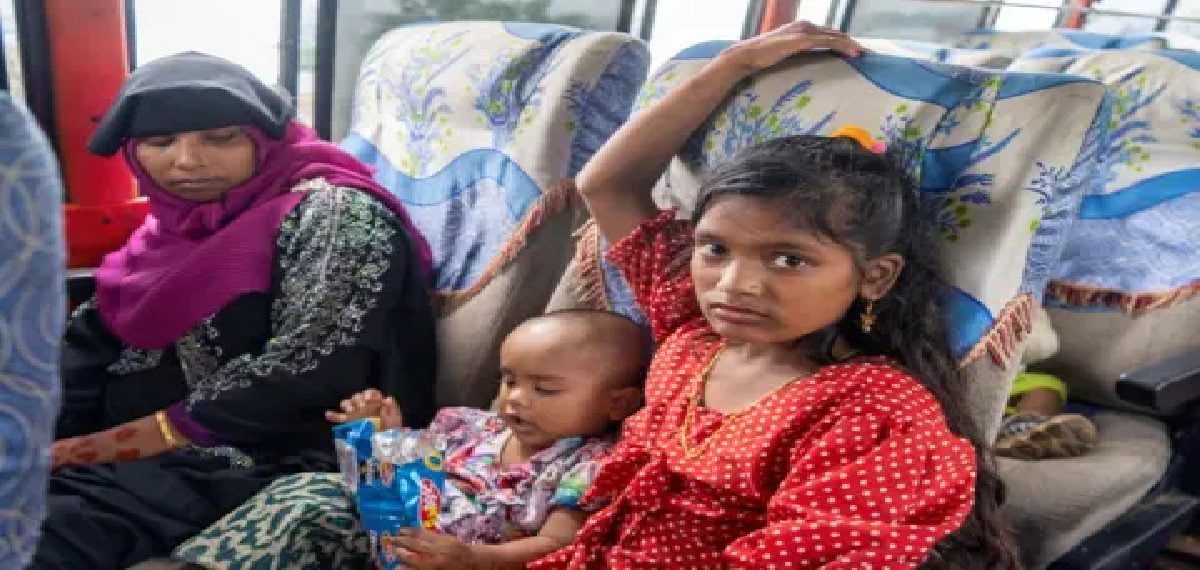
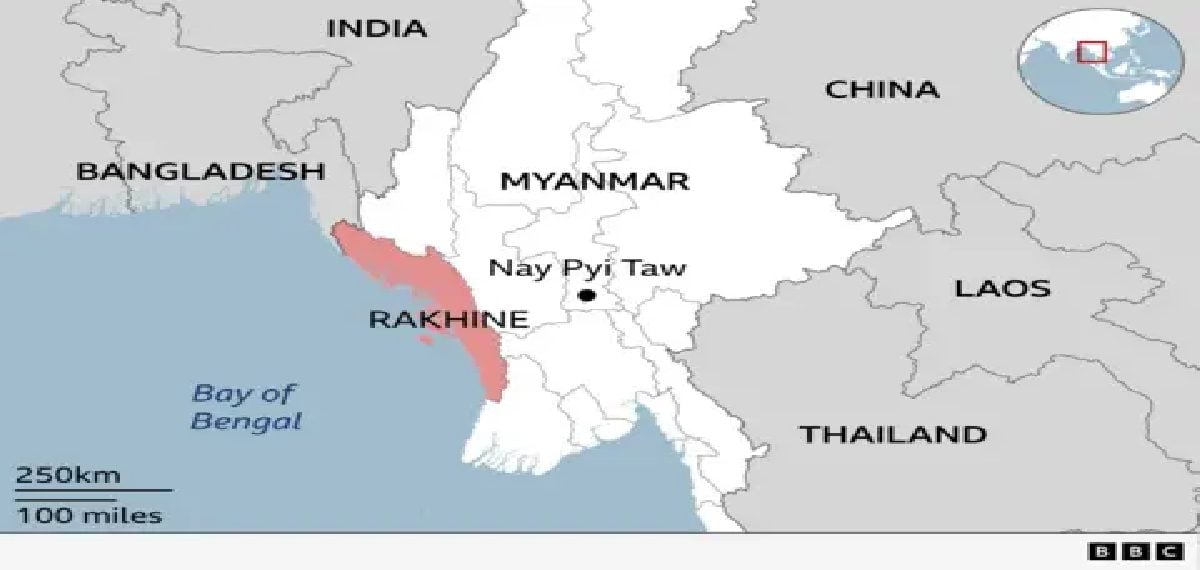
More than 700,000 Rohingya were forced to flee to Bangladesh following the 2017 attacks, and at least 10,000 people were killed, according to the court’s summary of the record. In refugee camps in Bangladesh, refugees followed the ICJ verdict as it was delivered by the court president.
The court discussed the difficulty of proving genocidal intent, noting that intent can be inferred from a pattern of conduct when direct documentary evidence is unavailable. The justices concluded that the totality of actions by Myanmar’s forces could not be adequately explained without recognizing genocide as one objective among others such as counterinsurgency, punishment or displacement.
Legal commentators on the Gambia’s team said the ruling clarifies the evidentiary standard for proving genocide at the ICJ and will affect other pending cases, notably South Africa’s case against Israel. The judgment does not automatically determine outcomes in other proceedings, but it establishes how the court will assess intent based on patterns of conduct.
The ICJ has no direct enforcement mechanism, but it ordered Myanmar to make reparations to the Rohingya. Implementation faces practical and political obstacles, including the razing of hundreds of villages and likely resistance from the Myanmar government.
The United Kingdom, responsible as pen holder for Security Council diplomacy on Myanmar, called for action and accountability and sought an urgent Security Council session following the ruling. However, prospects for a strong UN response are uncertain given the possibility of vetoes by permanent members.
The ruling arrives amid broader international debates about the interpretation and application of the Genocide Convention and coincides with other high-profile allegations of genocide currently before the ICJ. The court’s decision reaffirms international legal norms established after World War Two while underscoring the challenges of translating judicial findings into on-the-ground remedies for victims.
The ICJ judgment marks a historic affirmation that state conduct against the Rohingya met the Genocide Convention threshold when assessed through the totality of evidence and inferred intent. The ruling strengthens legal precedent on how genocidal intent may be demonstrated through patterns of conduct rather than solely by explicit directive documents.
While the decision offers symbolic and judicial recognition for the Rohingya and orders reparations, practical relief and accountability remain uncertain due to enforcement limits and likely noncooperation by the Myanmar authorities. The judgment nevertheless preserves legal avenues for other states and victims seeking remedies under international law.