02 Ekim 2026
parçalı bulutlu


Hundreds of eligible offenders will leave jails in England and Wales on 1 October, under the government’s early prison release plan.
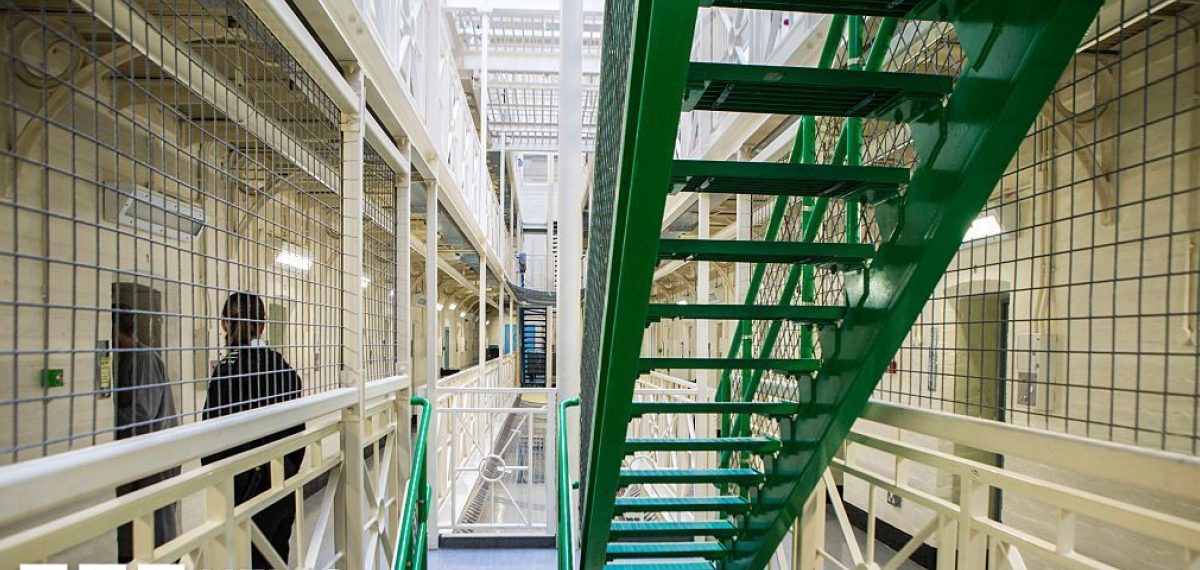
Around 700 eligible prisoners are due to leave jails in England and Wales on 1 October as the government begins a permanent early release scheme designed to ease pressure on an overcrowded prison system.
Around 2,550 prisoners are expected to be released by the end of the year, while roughly 4,500 could leave prison early by next summer.
The scheme was introduced as prisons approach capacity. As of last Friday, 87,499 people were being held across 120 prisons in England and Wales, with only around 1,500 places still available. At the current rate, officials expect the remaining capacity to be exhausted by Christmas.
The scheme was developed in response to a prison capacity crisis inherited by the Labour government when it came to power in July 2024.
Prison populations had been rising because courts were sending more people to prison than were being released, continuing a trend that had lasted for three decades. The previous government had also failed to deliver the number of new prison places it had promised.
By summer 2024, there were almost no spare cells. The Ministry of Justice introduced an emergency measure allowing some prisoners to be released after serving 40% of their sentence rather than the 50% point that applied to most fixed-term prisoners.
The permanent scheme approved by Parliament comes into force on 1 October.
The new arrangements apply to around 70,000 offenders.
Prisoners who would previously have expected to serve half of their sentence in custody and the remainder in the community on licence will now generally become eligible for release after serving one-third of their sentence.
The first group consists of prisoners serving sentences of up to 19 months. From November, the scheme will extend to offenders serving sentences of up to three years and two months.
By next June, some serious offenders serving fixed terms of more than 12 years will also become eligible. Many of these prisoners would previously have expected to spend two-thirds of their sentence in custody. Under the new system, they can instead move to a community licence after serving half of their sentence.
The total length of a prison sentence does not change. The measure only brings forward the point at which eligible prisoners can serve part of their sentence in the community.
Around 18,000 prisoners are excluded entirely, including those convicted of murder, manslaughter, sexual or grooming-related offences, and driving offences resulting in death.
Their earliest release dates will remain unchanged.
Prisoners released while still serving their sentence remain subject to licence conditions and can be recalled to prison if they breach them.
Conditions can include attending probation appointments and living at an approved address. More serious breaches can include contacting a victim, abandoning a rehabilitation programme or committing another offence.
The new system, known as “Earned Progression”, is intended to encourage rehabilitation through closer monitoring and more intensive supervision.
More prisoners are expected to wear electronic tags and comply with additional conditions. Those who breach the rules can be returned to prison immediately.
The increased workload will fall on probation services across England and Wales. Martin Jones, the independent inspector of the service, has said he is “not fully confident” that the system will be able to cope.
The staff union has warned that probation officers already have excessive caseloads and that staff departures have increased. A report published shortly before the October releases began also found that almost half of offenders were not fitted with electronic tags promptly, despite electronic monitoring being considered an important part of the system.
The government says the probation service has recruited 1,300 additional staff and has received new AI tools to assist with monitoring offenders.
A prisoner can be recalled if a probation officer or the Parole Board believes licence conditions have been breached, the person’s risk has increased or they pose a danger to the public.
Official figures show there were 51,419 licence recalls in the year ending March 2026, an increase of 28% from the previous year.
Around one in five recalls involved general “non-compliance”, while roughly one in 10 followed a failure to remain in contact with a probation officer. About 2,900 recalls involved people who had committed another offence.
The government hopes that greater access to rehabilitation in the community will help keep more offenders out of prison.
The original version of the scheme, developed when Sir Keir Starmer was prime minister, would have allowed around 500 additional offenders to be released.
His successor, Andy Burnham, said the proposals would be reconsidered following public concern, campaigning by victims of grooming gangs and anger over the possible early release of two men convicted over the killing of Pc Andrew Harper.
Burnham said abandoning the scheme would result in prisons reaching capacity and could leave courts unable to sentence new offenders.
The government expects the prison population to continue rising, reaching around 100,000 by 2030.
Its £7bn prison-building programme is therefore a key part of the plan, with 14,000 additional cells expected to be delivered by then.
Another element of the government’s approach is the effective abolition of one-year prison terms.
Under the new rules, judges are normally expected to suspend sentences of one year or less, meaning offenders will not be sent to prison unless they commit another offence.
The policy is supported by longstanding evidence cited in the source that fewer people reoffend when they receive intensive supervision aimed at addressing the problems in their lives rather than serving short prison sentences.