09 Kasım 2026
az bulutlu


Finland tests Bitcoin miners to heat homes—exploring energy reuse, savings, and sustainability in a bold boiler-powered crypto experiment.
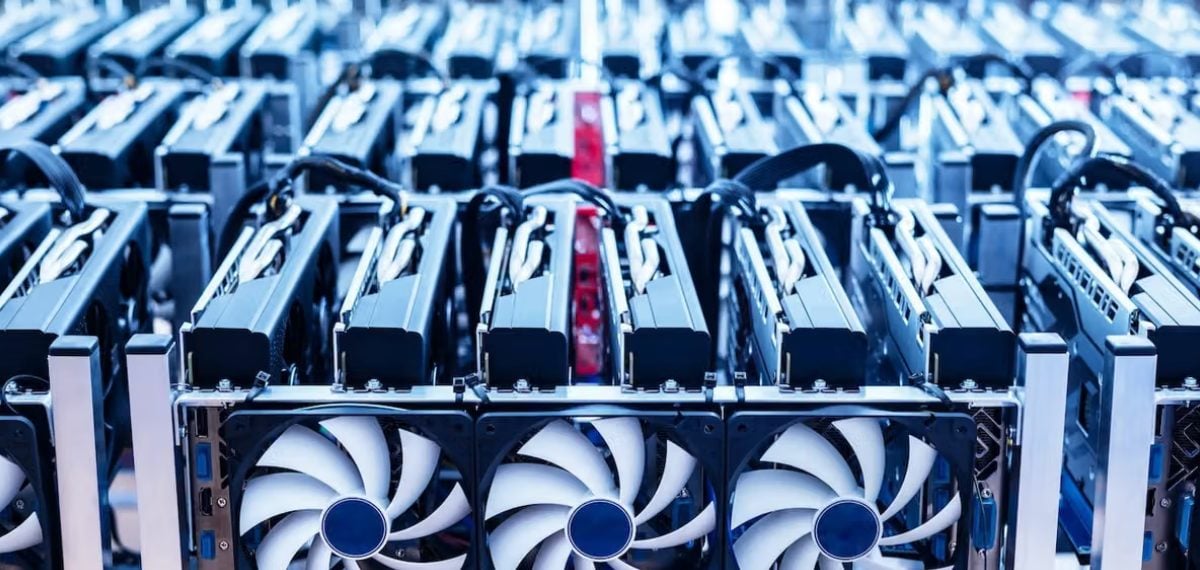
In a small Finnish town called Nokia, a 180-square-meter home has severed ties with the district heating grid and now relies on a bitcoin mining rig to warm its rooms. SunBit, a Finnish company, installs what it calls a Bitcoin Boiler: a water-cooled mining machine whose electrical consumption is captured as heat and circulated through radiators and underfloor piping at temperatures up to 60°C.
The concept is simple: every kilowatt-hour consumed by the miner becomes usable heat. If the bitcoin rewards earned by the rig offset the electricity costs, homeowners can effectively obtain heat without a recurring net energy expense—though the upfront installation runs roughly $20,000 or more. Profitability depends on bitcoin’s market price, local electricity rates and the global mining competition.
The mining unit sits in a basement or an insulated annex to reduce noise. SunBit sells the hardware to property owners, who retain ownership and keep any mined bitcoin while paying power costs. For an optional 10% service fee SunBit monitors and optimizes the miner remotely, offers an app and plans grid-balancing features.
SunBit began deliveries in 2025 and currently operates about 30 installations, mostly in Finland, with one export project in the Netherlands. Installations vary: single-family homes, a manor where mining replaced wood heating, an industrial hall running a miner alongside a heat pump, and a commercial property that swapped gas for a miner. In Finland, larger efforts also inject miner waste heat into district heating systems, warming tens of thousands of residents.
SunBit’s example centers on a 495-terahash Bitmain Antminer S21 XP Hydro running Braiins OS and tuned by SunBit. Operating continuously at about 5.3 kW, it consumes roughly 46,400 kWh per year. At an electricity price near $0.11 per kWh, that equates to around $5,200 in annual power costs.
Using assumptions of bitcoin at about $82,000 and a network hashrate of 1,040 EH/s, SunBit estimates the rig would mine ~1/12 BTC annually. After SunBit’s 10% fee and pool fees, the homeowner keeps roughly $6,100 worth of bitcoin; if they forgo SunBit’s service the full yield would be near $6,800. Under those modeled inputs the miner could generate a modest surplus—about $900—after covering electricity, while providing heat as a by-product.
Switching from heating oil can be compelling. In one SunBit worked example, a house burning 2,300 liters of oil (at about $2.19 per liter) spends roughly $5,000 per year. Replacing that consumption with a miner could eliminate the fuel bill and, under SunBit’s conditions, yield about $920 in net mining income—suggesting a payback near 3.5 years on a quoted installed cost of roughly $20,200.
However, much of the generated heat can be wasted during warmer months. A dry cooler (an outdoor fan-equipped radiator) discards surplus heat the household cannot use, particularly during summer months in southern Finland. Only during the extended heating season does most of the miner’s output remain useful.
Heat pumps are a strong alternative. Typical air-to-water heat pumps deliver roughly 2.5–3 kWh of heat per 1 kWh of electricity, while a miner converts each kWh consumed into exactly 1 kWh of heat. For a house using 25,000 kWh of heat annually, SunBit estimates an air-to-water heat pump’s running cost at about $1,100 versus district heating at $3,170. A miner run nonstop instead could net about $490 more than its electricity bill under the same assumptions, but that advantage rests entirely on mining profitability rather than thermodynamic efficiency.
Bitcoin’s scheduled halving in spring 2028 will reduce block rewards from 3.125 to 1.5625 BTC, directly lowering miners’ revenue per unit of work. SunBit’s current payback calculator ignores the upcoming halving, basing payback on present-day mining economics because future bitcoin prices and network difficulty cannot be guaranteed.
Holding other inputs constant, the halving would reduce mining income from roughly $0.13 per kWh to about $0.07 per kWh—below the modeled $0.11 electricity price—making heat no longer truly free. Under those conditions the miner’s effective heat cost would approach that of an efficient heat pump. A homeowner installing now would therefore enjoy roughly 18 months of today’s margin before the halving takes effect, unless bitcoin’s price rises substantially.
In short: mining-based heating can beat costly fuel sources like heating oil today and offers a novel route to converting electricity into both heat and potential income. But its economics are highly sensitive to bitcoin price and network difficulty shifts, and the 2028 halving presents a clear inflection point that could lengthen payback times or erase the operational surplus unless market conditions change.