10 Kasım 2026
parçalı bulutlu


Egypt reopens Tripoli embassy; ministers convene to resolve trade and maritime disputes and strengthen bilateral relations.
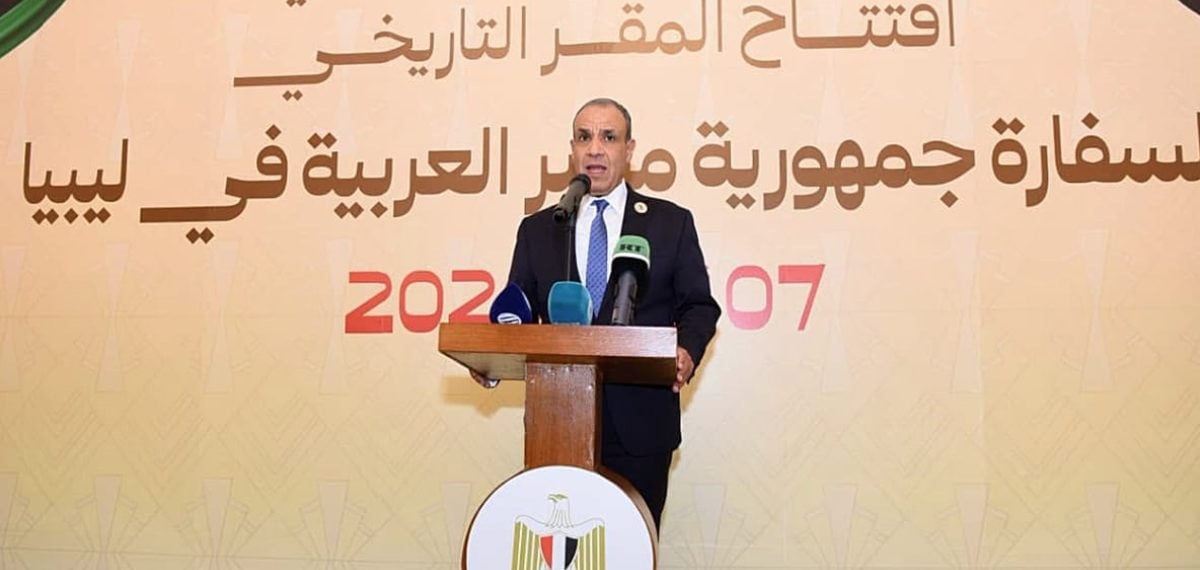
Egypt reopened its historic embassy building in Tripoli on Saturday during a visit by Foreign Minister Badr Abdelatty for talks on trade, energy and a disputed maritime boundary.
Libya’s acting foreign minister, Taher al-Baour, joined Abdelatty at the ceremony. Egypt closed the building in January 2014 after gunmen kidnapped five embassy staff, and its diplomatic mission resumed work in Tripoli in May 2021.
In Tripoli, Abdelatty met Abdulhamid Dbeibah, the prime minister of Libya’s internationally recognised Government of National Unity, to discuss ways to make trade easier. Dbeibah praised the role Egyptian companies and workers have played in rebuilding Libya, according to Egypt’s foreign ministry.
Abdelatty also met Libya’s acting oil minister at the reopened embassy and called for faster progress on gas pipelines between the two countries and on plans to refine Libyan crude in Egypt for export. Libya’s acting oil minister said he would travel to Cairo for further talks, Libya’s state news agency reported.
In his talks with Dbeibah, Abdelatty raised Egypt’s objections to a 2019 agreement between Turkey and Libya’s then government in Tripoli, saying Egypt’s concerns should be taken into account when maritime boundaries are drawn, according to his ministry. Dbeibah told Egyptian broadcaster Al-Qahera News that officials from both countries would discuss the maps and their respective claims at their next meeting.
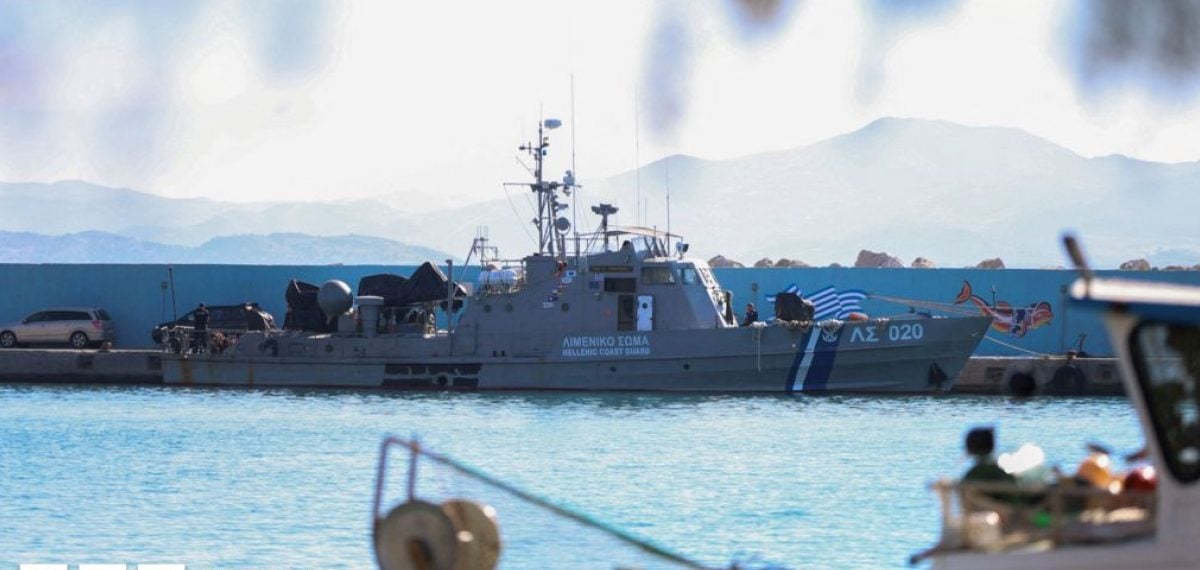
The agreement draws a boundary between Turkish and Libyan maritime zones in the eastern Mediterranean, where several countries claim rights to explore for oil and gas. Greece says the boundary ignores the rights of Greek islands, including Crete. Egypt and Cyprus also oppose the deal. Libya’s eastern-based parliament ratified the agreement on 20 October after opposing it for years. The EU said the next day that the deal infringed on other countries’ rights and could have no legal effect on them. Turkish Foreign Minister Hakan Fidan defended it as “an entirely legitimate agreement, both from a legal and a political perspective”.
The reopening of Egypt’s embassy building in Tripoli symbolizes a normalization of diplomatic presence and a willingness to engage directly on bilateral economic and energy issues. High-level meetings during the visit focused on trade facilitation and energy cooperation, signaling a priority on concrete projects such as gas pipelines and refining arrangements.
The discussions on the maritime boundary highlight the importance Egypt places on regional maritime maps and legal claims, and the planned follow-up talks on maps indicates a continuing diplomatic process to address competing claims in the eastern Mediterranean.