21 Eylül 2026
açık


Hamas agrees to disarm as a conditional withdrawal framework emerges, outlining terms for security, phased troop pullback, and humanitarian access.

Hamas has reportedly agreed to a framework to disarm in Gaza in exchange for Israel withdrawing from approximately 70% of the territory it occupies, officials involved in the negotiations say; the deal was presented amid intense diplomatic efforts and ongoing military and political pressures.
Negotiators describe the proposal as a step-by-step bargain in which Hamas would hand over weapons while Israel begins a phased pullback from most of Gaza. The arrangement follows heavy casualties and widespread destruction across the territory, and was advanced through mediation by regional actors.
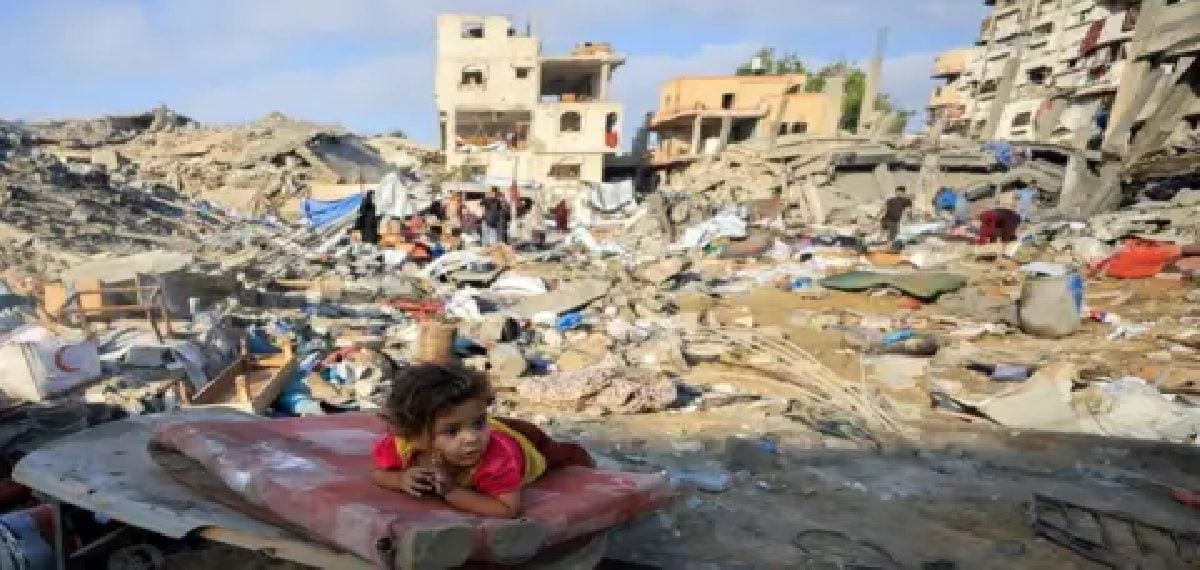
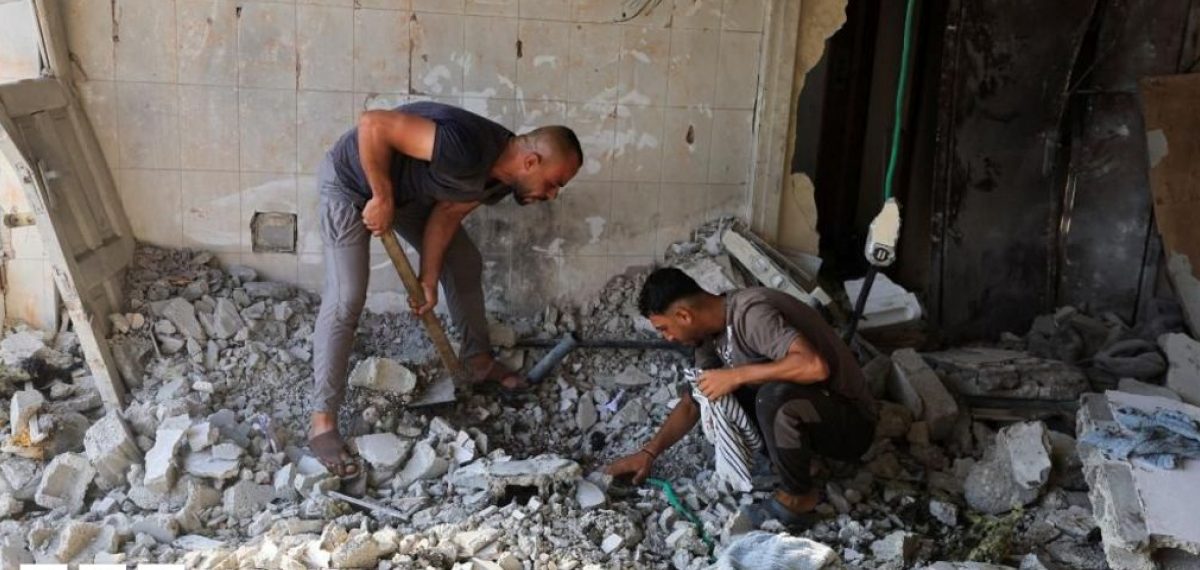
Gaza faces catastrophic humanitarian conditions for more than two million civilians, with much of the territory reduced to rubble and severe shortages of shelter and services. The Hamas-run health ministry reports more than 70,000 Palestinians killed during the war and over 1,000 since the ceasefire, figures the UN regards as reliable; UNICEF records more than 20,000 children killed since 7 October 2023, including infants among the dead and wounded.
Israeli security concerns remain central to the talks. Israeli public sentiment and leadership emphasise that Hamas must be disarmed to remove the threat that the group poses after the 7 October attacks, which killed almost 1,200 people and left 251 hostages taken into Gaza. Israel has stated disarmament as a key precondition for any substantial withdrawal.
Diplomatic momentum reflects pressure on all parties. Israel faces a general election at the end of October and domestic political considerations shape its negotiating posture. The United States, including President Donald Trump, has taken an active role in supporting the process, while Egypt and Turkey carried out much of the day-to-day mediation that secured Hamas’s agreement to the framework.
Hamas has also been weakened by heavy losses among its senior figures and fighters, and continues to face targeted strikes by the Israel Defense Forces. Leadership changes within Hamas, including the confirmation of Khalil al Hayya as a political leader, played a role in the movement’s decision to accept the framework.
Implementing any disarmament-withdrawal deal hinges on careful, sustained diplomacy and incremental confidence-building measures. Negotiators stress a phased approach starting with limited steps and international engagement to maintain the process.
The agreement reflects a negotiated trade-off in which Hamas’s concessions are explicitly linked to Israeli withdrawal from most of Gaza, with mediation led by regional and international actors. Political pressures in Israel and external diplomatic engagement have been decisive in advancing the framework. The humanitarian devastation in Gaza and heavy casualties on both sides underpin the urgency and fragility of the process.