17 Eylül 2026
parçalı az bulutlu


UK bans imports from West Bank settlements as government cites coordinated international action to uphold law and human rights.
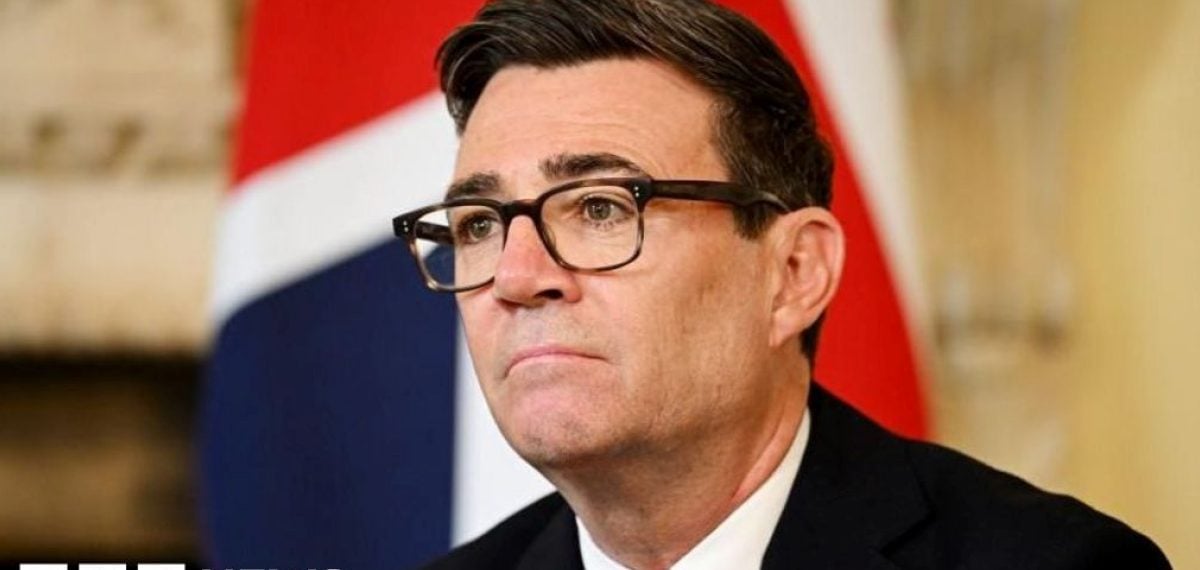
The UK government announced a ban on imports from Israeli settlements in the occupied West Bank, Foreign Secretary Ed Miliband said in a statement alongside Prime Minister Andy Burnham, describing the move as part of a coordinated international approach and a step consistent with the UK’s recognition of a Palestinian state made one year earlier.
Miliband said the measure followed diplomatic work over the summer and was supported by 11 other countries, including France and Canada, adding that the UK played a convening role in aligning a common stance. Officials said the policy aims to increase the likelihood of impact while reducing the diplomatic risk borne by any single country.
UK officials had anticipated a range of diplomatic reactions and reported the closure of the British consulate in Jerusalem by Israeli authorities. The initial response from the US Secretary of State Marco Rubio was described by Whitehall sources as understated.
Domestically, the decision aligns with demands from within the Labour movement, where around 140 Labour MPs publicly called for action earlier in the summer. Burnham and Miliband framed the step as consistent with a long-term two-state logic and pointed to the need to act rather than remain passive.
Conservative leader Kemi Badenoch criticised the government’s stance in the Jewish Chronicle, warning it risks fueling antisemitism, a concern echoed by Chief Rabbi Sir Ephraim Mirvis, who called it a “truly a dark day for Britain’s Jews.” Miliband emphasised that holding British Jews responsible for the Israeli government’s actions constitutes antisemitism.
The announcement represents a continuation of policy following the UK’s recognition of a Palestinian state one year earlier and emerged from coordinated diplomatic engagement with 11 partner countries. It prompted immediate diplomatic consequences, including the closure of the British consulate in Jerusalem, and has generated mixed domestic reactions across political and community lines as officials stress both the policy rationale and safeguards against antisemitism.