09 Ağustos 2026
açık


French authorities detain hundreds as the nation faces an unprecedented wildfire season, prompting emergency responses and investigations.
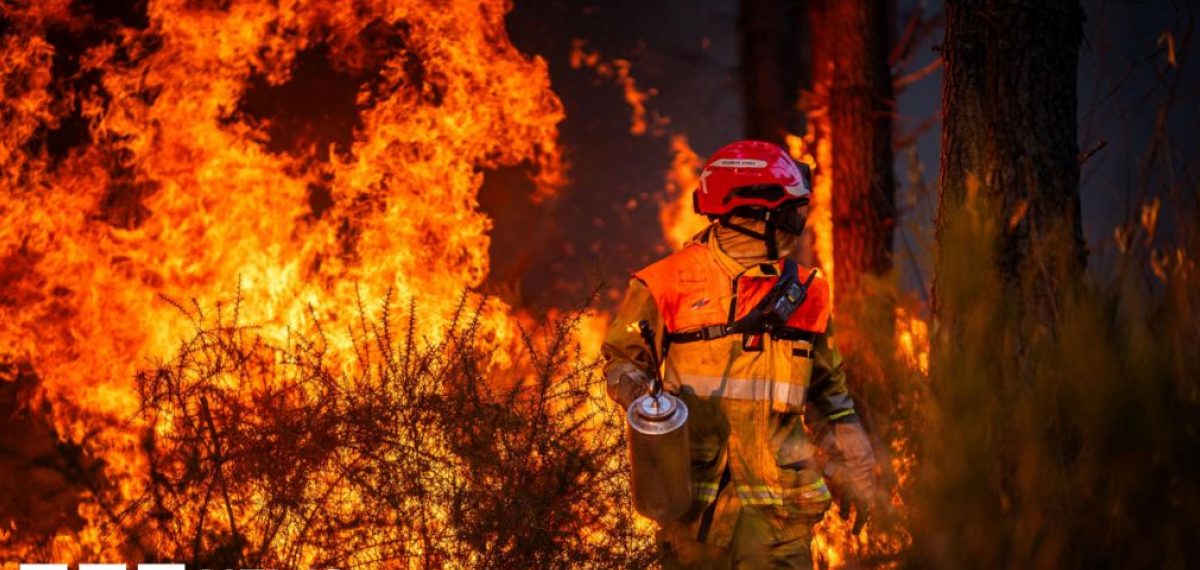
French authorities have arrested 420 people over this summer’s wildfires, which have burned more than 300,000 acres, the interior ministry reported, as officials cite human-caused ignitions and declare the fires “completely unprecedented.”
The ministry said arrests include 166 minors and cover alleged deliberate and accidental fire-setting. Prosecutors have brought rapid charges in some cases, including a 23-year-old accused of starting 10 fires in Var and facing up to 15 years in prison and a €150,000 fine, and a man immediately jailed for three fires in the Vosges.
Legal representatives and newspapers have questioned the speed and proportionality of prosecutions. Lawyer Muriel Gestas described the number of arrests as “excessive” and expressed doubt that many will end in convictions, while Le Monde noted authorities have not disclosed detailed charge information or comparisons with previous seasons.
Bordeaux prosecutor Renaud Gaudeul defended a strict approach, saying conditions for endangering lives charges apply to acts such as throwing cigarette butts or lighting barbecues in wooded areas. Fire investigator Eric Dufayet outlined the technical process of origin determination, describing how teams map burn perimeters and trace V-shaped patterns back to ignition points and search for DNA or fingerprints.
Authorities and experts say most wildfires are accidental rather than the work of pyromaniacs, with likely ignition sources including construction sparks, faulty electrical equipment, cigarettes and barbecues. Dufayet summarized a common rule of thumb for cigarette-started fires: a temperature of at least 30°C, humidity up to 30%, wind below 30 km/h and around 30% of the cigarette remaining unburnt.
Psychiatrist Michel Lejoyeux categorized people who start fires into the careless, those with material motives, and rare pyromaniacs, noting pyromania is difficult to diagnose and accounts for few convictions. Lawyer Gestas added that some accused firefighters may have sought recognition or financial overtime incentives.
President Emmanuel Macron described the blazes as “completely unprecedented” and said France must adapt forests to structural climate change, while urging unity and deferring detailed reviews until the immediate crisis passes.
The reported figures and official statements reflect a heavy enforcement response to widespread fires that authorities link primarily to human actions; legal actors and media question the rapidity and transparency of prosecutions, and investigators describe standard forensic methods to identify ignition points and evidence.