23 Eylül 2026
hafif yağmur


Severe drought endangers UK harvests, prompting farmers’ warnings of potential food shortages and urgent calls for policy and relief measures.
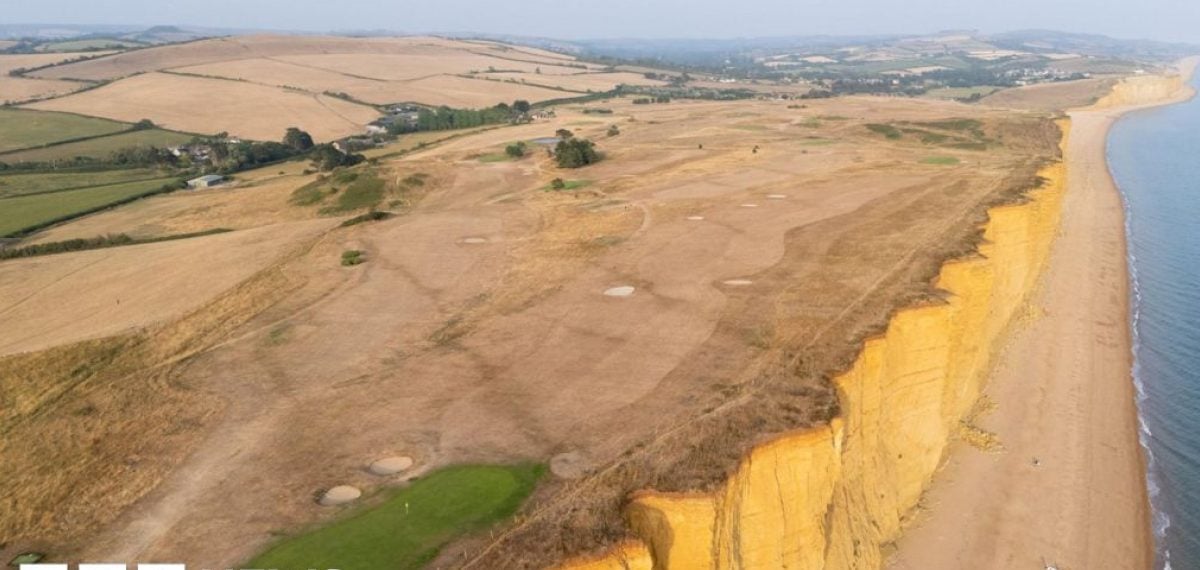
Severe drought across large parts of England and the whole of Wales has left cereal yields very poor and forced livestock farmers to draw on winter feed, the National Farmers’ Union (NFU) warned, raising the prospect of some food product shortages.
NFU President Tom Bradshaw told the BBC that high temperatures and lack of rain have reduced crop and vegetable output and strained producers’ water supplies, while the cost of growing food has increased. He said farmers are running low on water for vegetable production and many have used winter rations for livestock.
Bradshaw urged greater investment in water storage, noting that water usable for agriculture is often lost to the sea during winter. He proposed tax incentives to encourage farmers to build water storage systems and said water security is integral to food security.
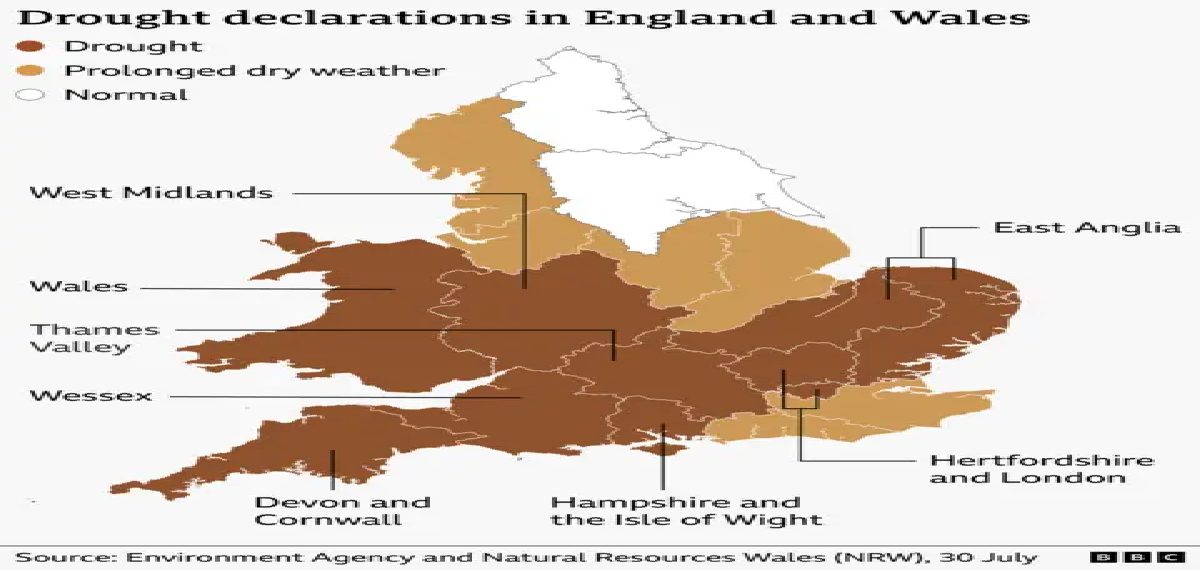
The UK has been hit by successive heatwaves, with amber heat-health alerts in place for parts of England and hosepipe bans affecting over 20 million people, alongside drought declarations covering much of England and all of Wales.
| Official data | Figure |
|---|---|
| England rainfall to 30 July | 5.6 mm (8% of long-term average) |
| Wales rainfall to 30 July | 7.9 mm (8% of long-term average) |
| Areas under hosepipe bans | More than 20 million people |
The drought has produced very low rainfall totals for July and widespread heat-health alerts, leading to increased pressure on crop yields and livestock feed reserves. NFU commentary emphasizes the link between water storage capacity and domestic food production, and calls for targeted investment and tax measures to improve agricultural resilience.