16 Ekim 2026
parçalı bulutlu


EU summit begins amid tensions over diesel emissions pact and budget deadlock, as leaders seek compromise to avert political and economic fallout.
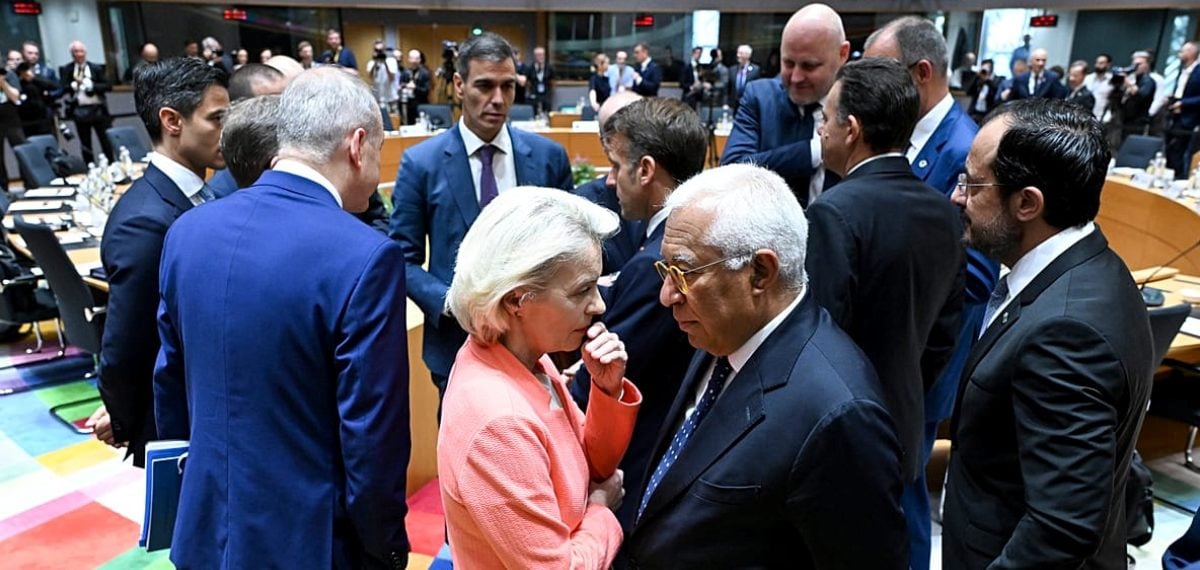
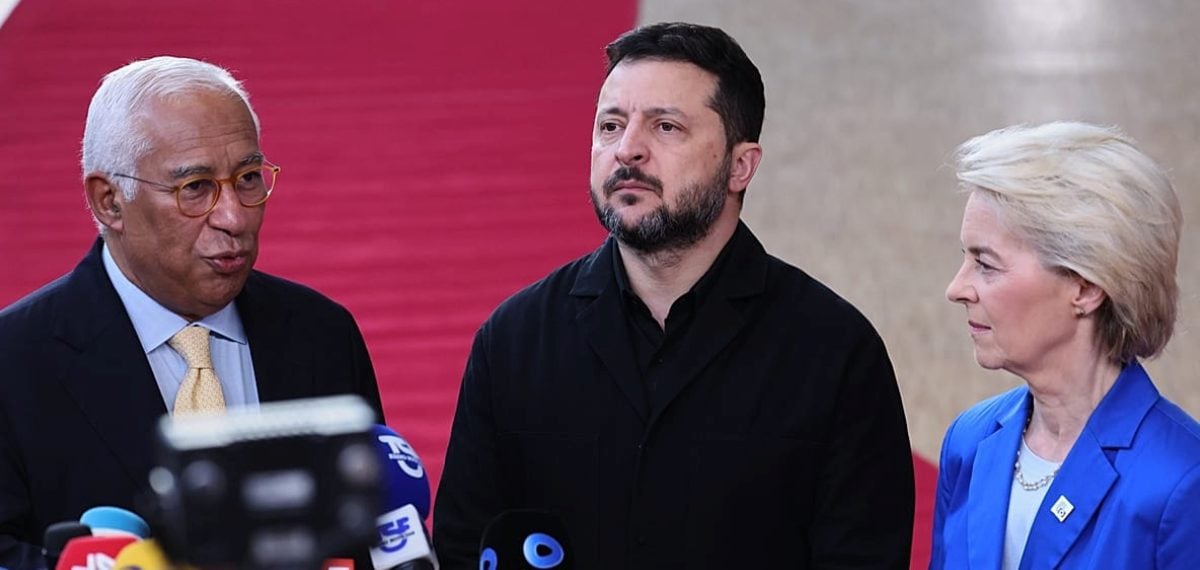
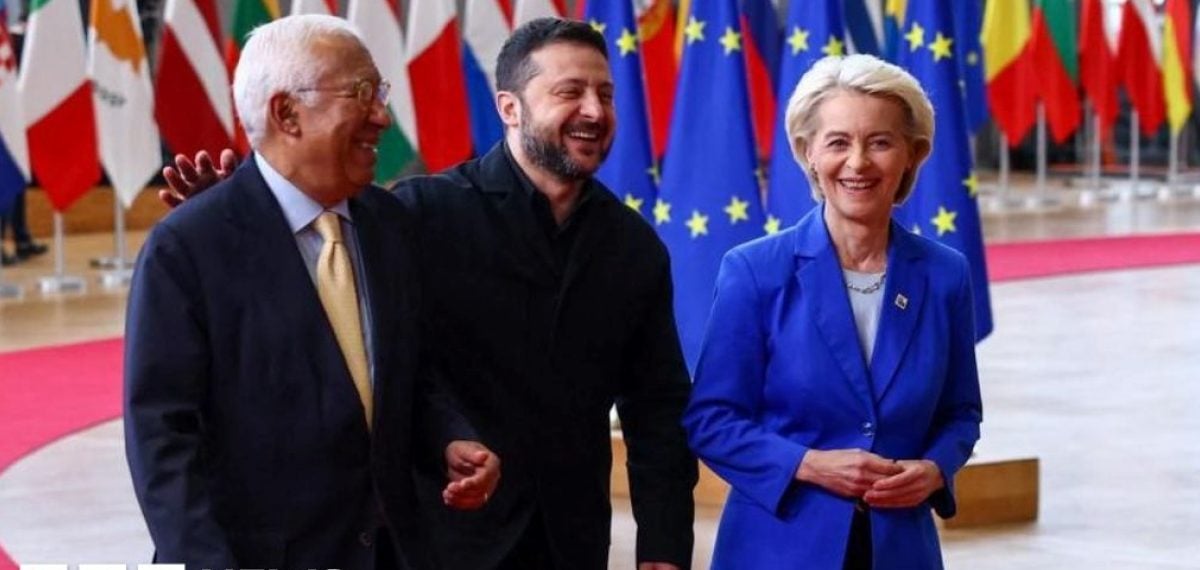
The European Council summit opened in Brussels with leaders set to discuss soaring energy prices, trade imbalances with China and a contentious seven-year EU budget, while several high-profile geopolitical tensions shaped the agenda.
Energy dominated early discussions as officials weighed responses to diesel price increases and recent international measures to release oil reserves. Concerns were raised about the impact of high oil prices on war financing, and debates over temporary fiscal measures to shield households highlighted divisions between fiscally conservative and more expansionary member states.
Trade relations with China were also on the table, following a preliminary deal to curb imports of certain Chinese vehicles and secure access to rare earths. Some member states advocated stronger safeguards, including a mechanism to restrict market access if the EU’s trade deficit with China remained unsustainable.
The summit is expected to become more fractious during talks on the bloc’s next seven-year budget as so-called frugal countries clash with proponents of a larger budget. European Council President António Costa aims for a deal by year end but an Ireland-brokered compromise has left both camps dissatisfied, complicating prospects for a unanimous agreement.
Ukrainian matters featured prominently ahead of President Volodymyr Zelenskyy’s arrival, with tensions between Kyiv and Washington underscored by Zelenskyy’s remarks that he feels betrayed by Donald Trump. Separately, discussions around the potential use of immobilised Russian state assets resurfaced after reported US proposals to channel those assets via a financial vehicle controlled by Washington, a plan rejected by European delegates.
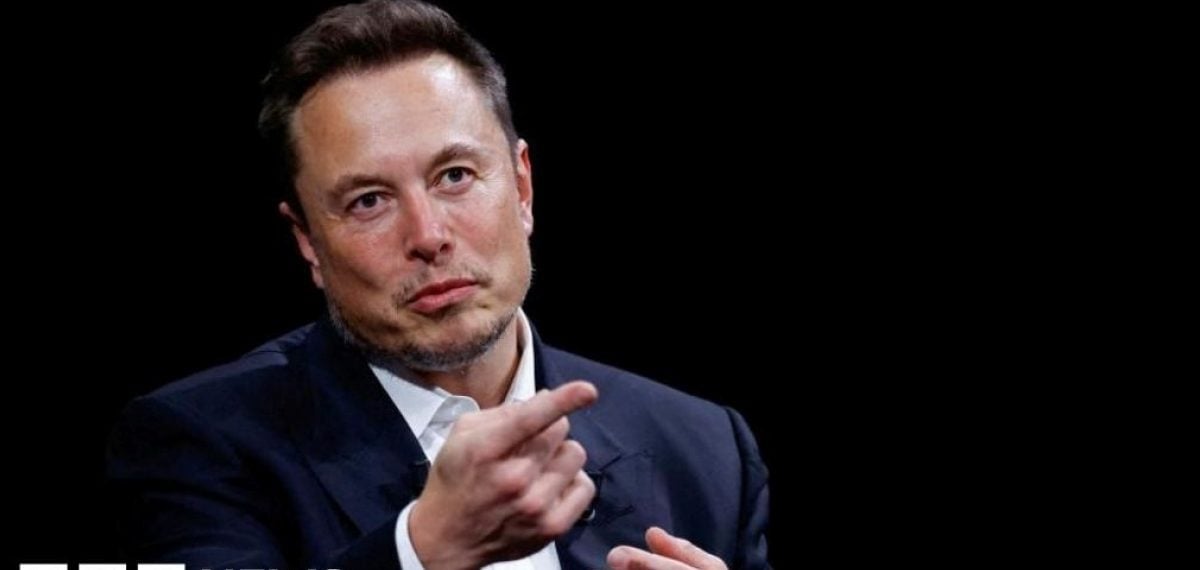
Operational challenges affecting Ukraine also emerged as disruptions to Starlink connectivity reportedly impacted military operations, prompting public reactions from Ukrainian officials and commentary attributing control of restrictions to US authorities and ultimately to the US president.
On the domestic political front within the EU, Marine Le Pen criticized the European Commission during a Brussels visit and proposed capping France’s net contribution to the EU budget, arguing that France could not continue financing Ukraine amid rising borrowing costs.
The summit reflects converging crises across energy, trade and fiscal policy that force EU leaders to balance immediate economic relief with long-term strategic autonomy. Energy shocks and geopolitical risks are intensifying pressure for short-term fiscal interventions, yet deep divisions on budgetary priorities undermine rapid consensus. Trade tensions with China and proposals to limit market access signal a shift toward more defensive economic policies, while disagreements over the handling of Russian assets and strained transatlantic relations complicate a unified EU approach to external security challenges.