28 Eylül 2026
kapalı


The new EU KIDS ACT bans social media for under-13s but allows “mini accounts” for 13-15-year-olds. No infinite scrolling, push notifications, and contacts from strangers. Video games, AI chatbots, and app stores must be “safe by design”.
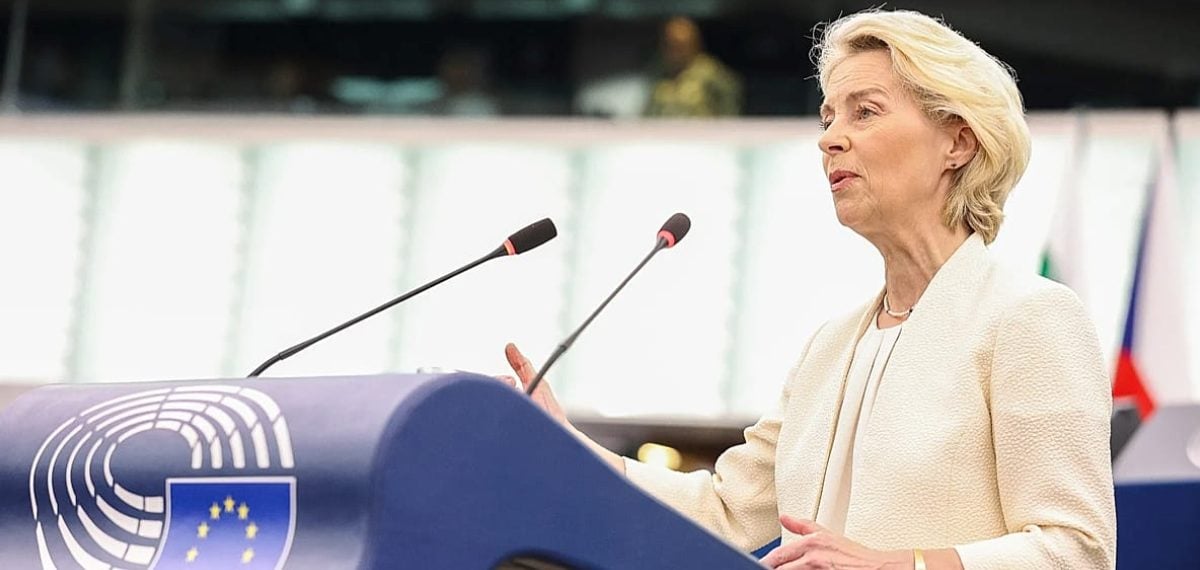
The European Commission has proposed new EU-wide rules aimed at strengthening online protections for children, including age limits for social media accounts, restrictions on addictive platform features and new obligations for technology companies.
European Commission President Ursula von der Leyen and Executive Vice-President Henna Virkkunen presented the EU Kids Act on Sept. 17. The proposal would establish common rules across the bloc rather than leaving member states to develop separate national approaches. It now needs approval from the European Parliament and the Council before it can take effect.
The proposal would prevent children under 13 from accessing social media, while setting 15 as the EU-wide minimum age for opening an independent social media account.
Children aged 13 to under 15 would instead be able to use parent- or guardian-managed “mini accounts.” These accounts would have restricted social contacts and a maximum screen-time limit of one hour per day. Children between 3 and under 13 would not be able to access social media, but could use specially designed child-friendly video-sharing services through guardian-managed accounts.
The legislation would apply safety-by-design requirements to online services used by people under 18, covering social media, video-sharing platforms, online video games, AI companions and chatbots.
Platforms would be required to prevent features designed to encourage compulsive or excessive use, including infinite scrolling, autoplay, reward mechanisms and push notifications during sleeping hours. Profiling-based recommendation feeds that can draw minors toward harmful content would also be prohibited.
Minor accounts would be private by default, while geolocation, camera and microphone access would be turned off unless activated by the user. Services would also have to provide tools allowing young users to block or mute others, manage screen time and control recommender systems.
AI companions and chatbots would face additional safeguards. Under the proposal, they would not be allowed to simulate interpersonal relationships in ways that could create emotional dependency. The Commission also says such systems should be tested for risks to children before launch and monitored for potential harm afterward.
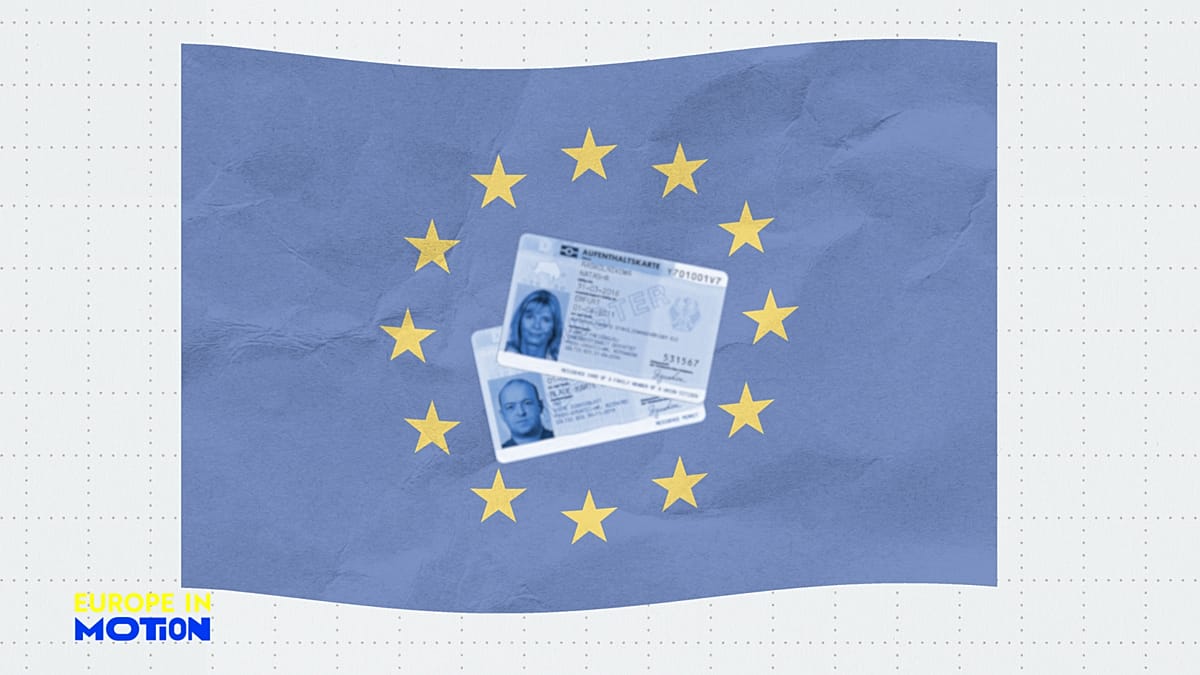
The proposal would move away from relying solely on self-declared dates of birth. Platforms would instead use age-assurance systems, including the EU Age Verification App, to establish whether a user meets a minimum age without requiring platforms to retain identity documents or biometric data.
The Commission says the age-verification system is designed to reveal only whether a user meets the required age threshold rather than their identity.
The proposal follows the work of the Special Panel on Child Safety Online, which delivered its report in July 2026.
The source text cites 2026 Eurobarometer figures showing a relationship between earlier social media use and longer screen time. Children who began using social media before age 10 reportedly spend 7.5 hours on screens during weekends, compared with 5.7 hours among those who started after age 14.
Among teenagers aged 13 to 18, screen use is reported at 4.5 hours per day on weekdays and 6.1 hours on weekends.
The proposal also comes amid concerns over cyberbullying, harmful content and platform designs intended to capture users’ attention. Eurochild senior policy officer Francesca Pisanu said social media platforms have evolved into sophisticated systems designed to capture and monetise attention.
According to the source text, about 33% of minors report feeling stressed or sad, while 90% report negative symptoms including depression, concentration problems or eating disorders. It also cites figures showing that about 5% of children aged 9 to 16 experience online bullying each month.
The EU Kids Act would give parents and guardians tools to manage children’s online activity, including screen-time controls, contact approval, content reporting and device restrictions.
Pisanu said parental controls are important but should complement protections that automatically apply to all children. She argued that relying too heavily on parents could place an unequal burden on caregivers, particularly in circumstances where children may not have access to digitally skilled or consistently available adults.
The proposal would reverse the burden of proof for very large online platforms. Rather than regulators having to establish harm after a service is introduced, the companies would have to demonstrate that their services are “safe by design.”
Very large online platforms would be required to submit compliance plans to the European Commission and independent auditors. Companies that breach the rules could face fines of up to 6% of their total worldwide annual turnover.
The EU already regulates online child safety through measures including the Digital Services Act and the Audiovisual Media Services Directive.
The Digital Services Act requires platforms accessible to minors to maintain high levels of privacy, safety and security and prohibits targeted advertising to children based on behavioural profiling. The Audiovisual Media Services Directive provides additional requirements for video-sharing and streaming services, including content-rating systems and parental controls.
The EU also operates the Better Internet for Kids strategy and a network of Safer Internet Centres providing support services, digital-literacy resources and safety guidance.
Euroconsumers told Euronews that age restrictions can be difficult to enforce on their own, citing survey findings that some teenagers began using platforms before the official minimum age and that 30% of social media users reported providing a false age when registering.
The EU proposal comes as member states pursue different approaches to restricting minors’ access to social media.
The source text says 23 of the 27 EU member states are drafting, debating or implementing national measures concerning minors’ access to social media.
France and Denmark have been among the countries pushing strongly for EU-level action, with Greece, Spain and Austria also supporting the initiative. France has previously pursued a digital-majority age of 15, while Denmark has adopted a national social media restriction for under-15s with limited parental exemptions for 13- and 14-year-olds.
France changed its approach after its Constitutional Council struck down an initial blanket ban in August 2026 over freedom-of-expression and privacy concerns. On Sept. 14, France submitted a revised plan to the EU based on feature restrictions and parental controls for users aged 13 to 15.
Spain, Italy, Portugal and Poland have introduced draft legislation involving age verification, while Romania’s Senate has approved a youth social media restriction bill that is progressing through the Chamber of Deputies.
The proposal has also faced opposition to broader restrictions. The Czech Republic and Estonia have rejected blanket social media bans, citing concerns over digital freedom and privacy risks associated with mandatory identity checks. Estonia and Belgium also declined to sign the Jutland Declaration, an international political commitment addressing addictive design features.