28 Eylül 2026
kapalı


The European Commission is set to announce new measures to protect children online. The EU Kids Act will establish a “digital majority age” of 15, regulating spaces like TikTok, Instagram, and certain video games.

The European Union is moving toward tighter rules for technology platforms over how children access and use online services, shifting greater responsibility onto companies to address risks associated with digital platforms.
The proposed EU Kids Act would establish a minimum age of 15 for opening social media accounts. Children under 3 would be prohibited from using these platforms, while those aged 3 to 12 would only be allowed to access services that have been strictly vetted as child-friendly.
For 13- and 14-year-olds, the proposal would require formal parental consent to create highly restricted “introductory accounts.” These accounts would include strict daily screen-time limits and prevent strangers from contacting minors.
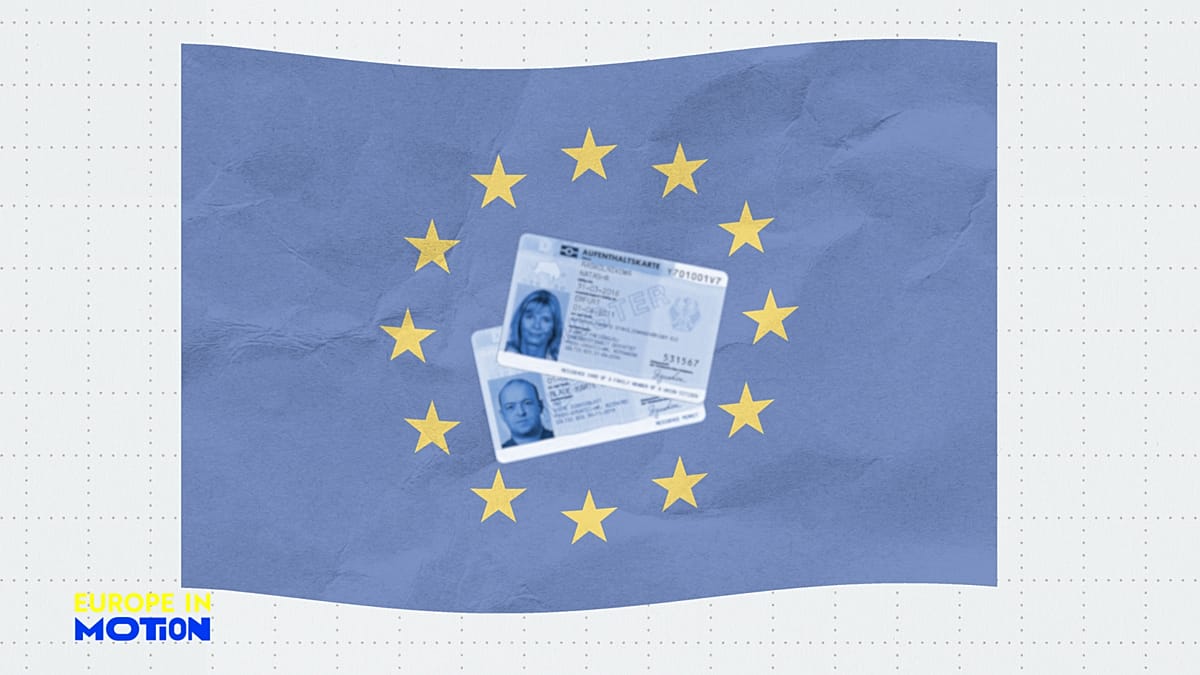
The proposed framework would also require technology companies to use a secure and anonymous European age-verification system. Platforms could integrate the EU Age Verification App, the European Digital Identity wallet or third-party applications to establish users’ ages without compromising their privacy.
The measures go beyond age restrictions. The proposal would prohibit features such as infinite scrolling, autoplay and continuous push notifications, while also placing restrictions on recommendation algorithms based on user engagement.
Accounts belonging to minors would be private by default. Location tracking and open direct messaging would also be disabled.
Technology companies that fail to comply could face financial penalties of up to 6% of their global annual revenue.
The proposed rules come amid concerns over children’s exposure to predatory algorithms, cyberbullying and the exploitation of personal data. The source text cites a figure of nearly 60% of European youth experiencing emotional and psychosocial issues attributed to digital platforms.
The proposed framework raises questions over how far regulation should go in protecting children online while addressing concerns surrounding digital freedom.