
25 Eylül 2026
az bulutlu


The satellite station is used in part to provide internet coverage to neighbouring Ukraine, the government says.
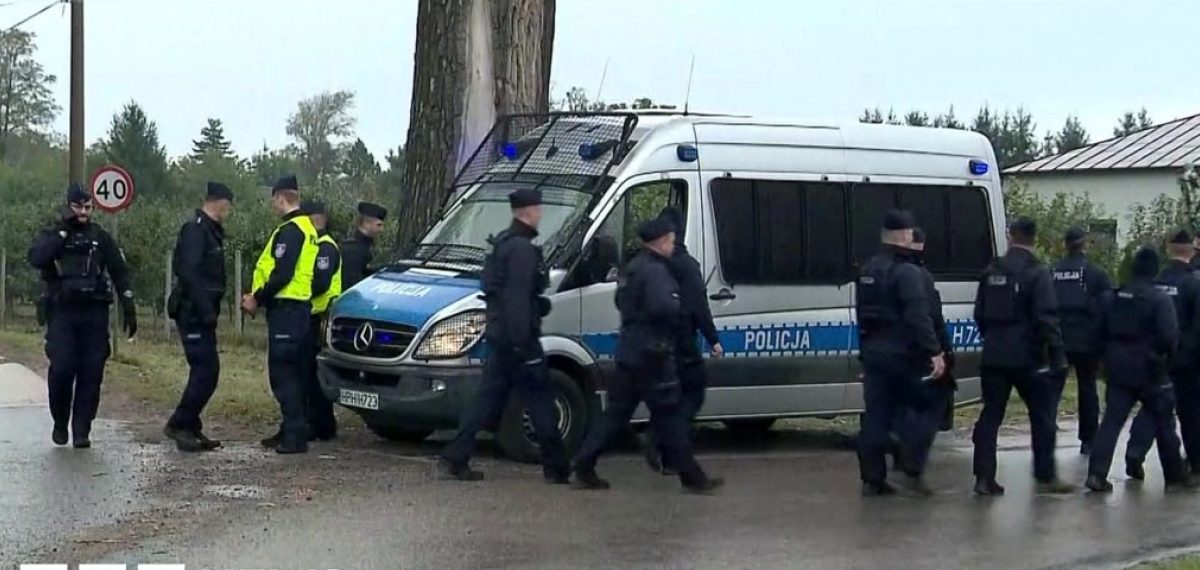
Polish authorities are investigating a fire at a Starlink ground station that officials say may have been a deliberate attempt to disrupt communications serving Ukraine, as Denmark’s military intelligence warned that Russia could intensify hybrid attacks against NATO and Western countries in the coming months.
Polish Deputy Prime Minister and Digital Affairs Minister Krzysztof Gawkowski said on Thursday that the blaze at a facility in Wola Krobowska, in the Masovian region, showed signs consistent with deliberate sabotage. The station is operated by state-owned telecommunications company Exatel and carries internet traffic through Poland, including traffic destined for Ukraine.
Gawkowski said the incident could have been intended to interfere with communications used by Ukrainian forces and described it as potentially consistent with what he called a new Russian approach to hybrid attacks. However, the investigation has not yet established who caused the fire. Polish Prime Minister Donald Tusk also said the circumstances surrounding the incident were concerning but cautioned that it was too early to determine whether the blaze was the result of sabotage or an accident.
The station remained operational despite damage to parts of its equipment, according to officials.
The incident came as Denmark’s Defence Intelligence Service issued a new assessment warning that Russia was likely to increase the frequency and potential impact of hybrid operations targeting NATO and Western countries.
The assessment identified a “low but growing risk” of a limited Russian military attack against one or more NATO countries bordering Russia. At the same time, Danish intelligence said a full-scale Russian invasion of a NATO member remained highly unlikely.
Possible forms of escalation include destructive cyberattacks, sabotage against critical infrastructure and isolated drone or missile strikes. Danish intelligence also warned that Russia could potentially use limited military deployments or other ambiguous operations designed to test the alliance’s response.
The assessment comes amid a series of incidents across Europe that governments have linked to suspected Russian activity. Moscow has repeatedly rejected accusations that it is conducting sabotage or preparing attacks against NATO states.
The Starlink fire occurred as Poland faced heightened security concerns following Russian attacks on Ukraine near its border.
Polish authorities temporarily evacuated border crossings with Ukraine during the latest wave of Russian strikes. Tusk warned that the coming weeks and months could bring intensified Russian activity closer to Poland’s territory.
The latest developments have increased attention on infrastructure that supports Ukraine’s communications and military logistics. Internet connectivity provided through Starlink has become an important component of Ukrainian battlefield communications and drone operations.
Meanwhile, Russian missile and drone attacks continued across Ukraine.
Ukrainian officials said six agricultural workers were killed in the Kharkiv region after a Russian strike hit a farm in Stara Hnylytsia. Several other people were wounded.
Kyiv was also targeted overnight, with Ukrainian authorities reporting two deaths and damage to dozens of civilian facilities. A maternity facility was among the damaged sites. Emergency workers said a woman gave birth in a shelter during the attack.
Ukrainian officials also reported Russian drone activity extending into neighboring countries. Moldova said Russian drones had crossed its airspace, while Romania reported that a drone had crashed on its territory.
Russia’s Defence Ministry said its forces had targeted Ukrainian military-related facilities, logistics infrastructure and communications sites.
Ukrainian President Volodymyr Zelenskyy used his address to the UN General Assembly in New York to appeal for additional ballistic-missile interception capabilities.
Zelenskyy said Ukraine needed more advanced air-defence systems to protect civilians as Russia increasingly relies on long-range drones and missiles. He also warned that Kyiv intended to continue targeting Russia’s energy infrastructure during the winter.
His comments came as Russian presidential envoy Kirill Dmitriev traveled to the United States for meetings with officials from the Trump administration, including Steve Witkoff and Jared Kushner, according to Reuters.
At the UN Security Council, Russian Foreign Minister Sergei Lavrov said there would be no pause in the war, underscoring the gap between the diplomatic contacts taking place in New York and the continued fighting on the ground.
The developments in Poland and Denmark reflect a wider European debate over the nature of Russia’s confrontation with NATO.
Hybrid warfare generally encompasses activities below the threshold of conventional war, including cyberattacks, sabotage, disinformation and other forms of covert or deniable disruption.
For Poland, the investigation into the Starlink station fire will determine whether the incident was accidental or deliberate. For Denmark, the latest intelligence assessment reflects growing concern that Russia could increasingly use hybrid operations to pressure European countries while avoiding a direct conventional confrontation with NATO.
With the war in Ukraine continuing and critical infrastructure across Europe under heightened scrutiny, governments are increasingly treating cyberattacks, sabotage and other unconventional incidents as part of the broader security challenge surrounding the conflict.