18 Eylül 2026
açık


Eight CDU state premiers publicly back Chancellor Merz as AfD rises, signaling party unity and a strategic response to shifting voter dynamics.
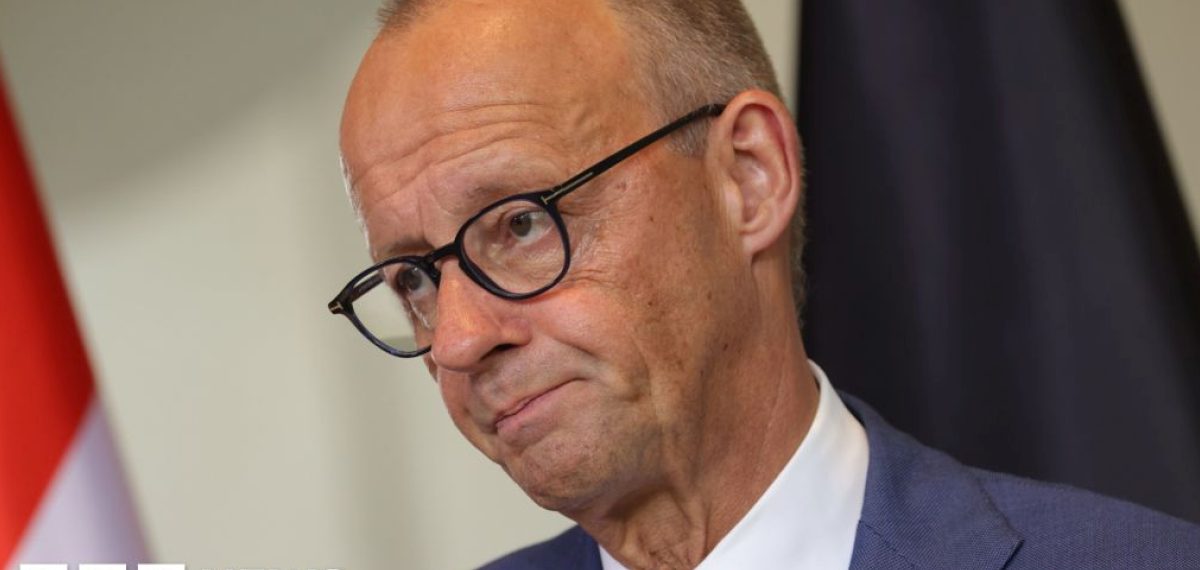
Eight state premiers from the Christian Democratic Union (CDU) publicly affirmed their support for Chancellor Friedrich Merz after sharp losses for the party and a surge by the Alternative for Germany (AfD), saying stability and action must take precedence over personnel debates.
The premiers—leaders of Schleswig-Holstein, Saxony, Hesse, Rhineland-Palatinate, Saxony-Anhalt, Thuringia, Berlin and North Rhine-Westphalia—wrote that restoring trust in the CDU requires listening and political action rather than internal leadership disputes.
Their statement followed the CDU’s heavy defeat in Saxony-Anhalt, where the AfD won 43.8% and the CDU fell to 17.2%, a result that increased speculation about Merz’s political future despite his vow to continue in office.
Merz described the AfD as a “destructive force” and criticized its migration stance as amounting to an “ethnic cleansing” of skilled workers; the AfD announced it would file a defamation complaint in response.
Polling shows low public confidence in the chancellor’s suitability for office, with a recent Bild poll indicating 14% believe he is right for the role, intensifying scrutiny of his leadership ahead of state elections in Berlin and Mecklenburg-Western Pomerania.
The eight CDU premiers emphasized the need for a stable and effective federal government with its own majority in the Bundestag, reflecting intra-party concern about electoral losses and the AfD’s rise. The Saxony-Anhalt outcome and the premiers’ public backing together highlight intensified internal CDU debate over tactical response to voter shifts, with party officials arranging a coordination meeting ahead of the Berlin and Mecklenburg-West Pomerania votes.
Polling data cited in the source underscores diverging regional prospects: the AfD’s lead in Saxony-Anhalt contrasts with a more competitive field in Berlin and a possible AfD lead but likely shortfall of majority in Mecklenburg-West Pomerania.