31 Ağustos 2026
parçalı az bulutlu


Russia steers clear of direct NATO conflict while intensifying hybrid tactics—cyber, info and proxy pressure—to weaken Western resolve and influence policy.
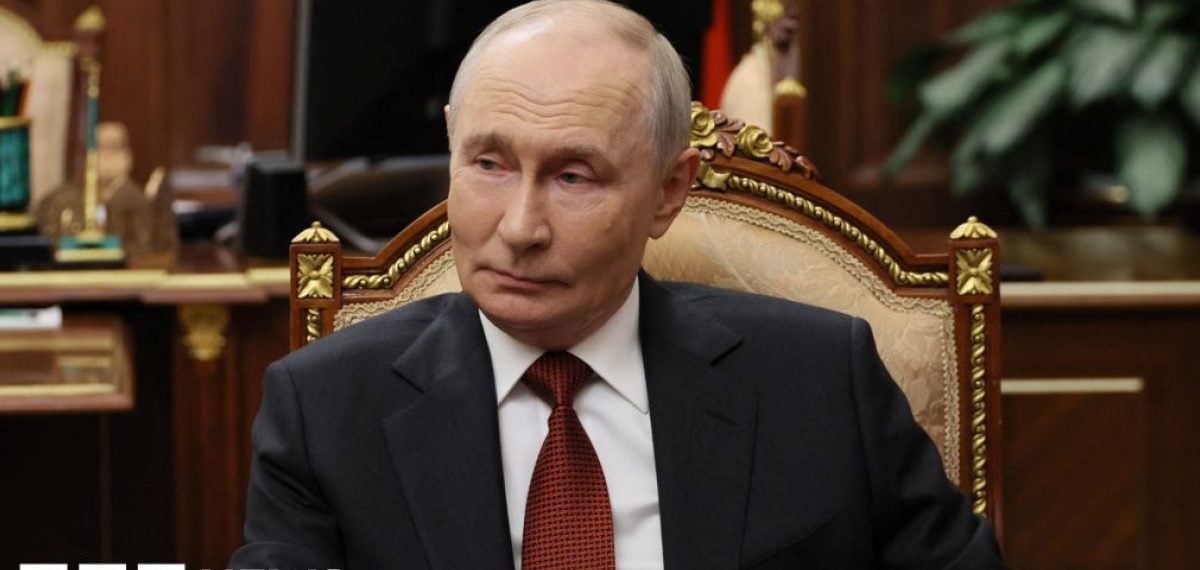
Russian President Vladimir Putin seeks to avoid a direct military confrontation with NATO, Western officials say, even as Moscow increases hostile rhetoric toward the UK and other allies over their support for Ukraine.
Officials told reporters that recent Moscow warnings — including suggestions UK forces or weapons factories could be targeted — align with Russia’s doctrine of applying pressure on the West rather than mounting an open attack on alliance territory.
Western sources said a visit by CIA director John Radcliffe to Moscow this week was partly intended to warn against any strike on a Euro-Atlantic military member, and stressed that Moscow’s threats are not a new pattern.
Officials described Russia’s likely approach as continued “hybrid activity” below the threshold of direct military action, citing methods such as cyber-attacks, sabotage and alleged assassination attempts aimed at undermining Western resolve and support for Ukraine.
Western officials say Russia’s rhetoric is consistent with long-standing doctrine to exert pressure short of overt war and reflects domestic strains linked to slow progress and internal effects from Ukrainian long-range strikes.
They noted an escalation in long-range strike campaigns by both Moscow and Kyiv this year and warned that hybrid actions carry the risk of miscalculation that could trigger a wider confrontation.