19 Eylül 2026
açık


Austria bans headscarves for girls under 14, igniting legal challenges and social debate over children’s rights, religion and education policy.

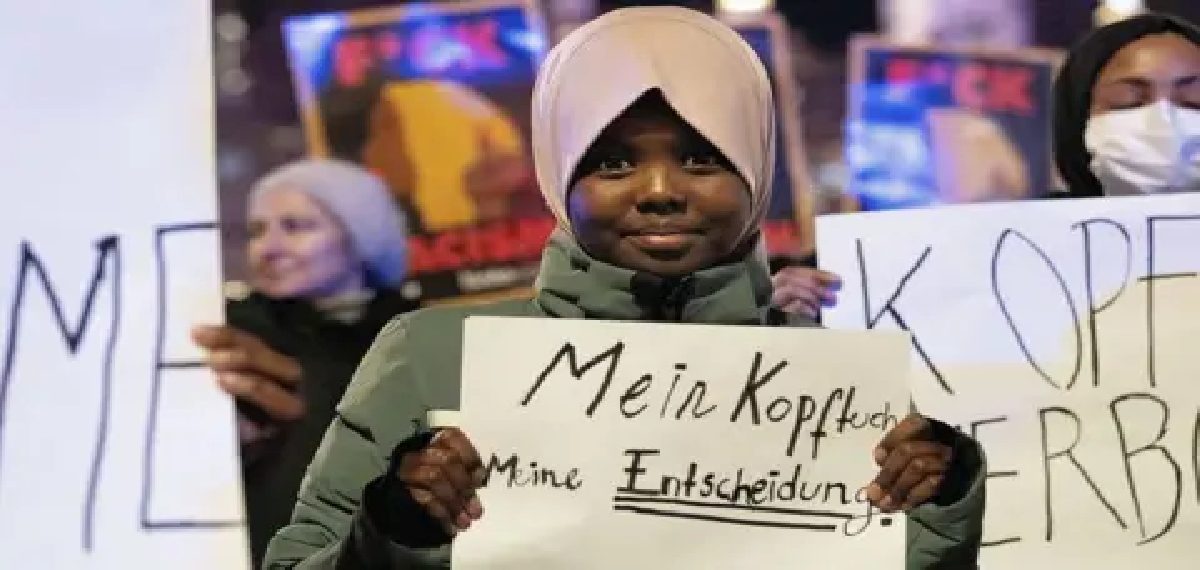
A law prohibiting traditional Muslim head coverings, including hijabs and burkas, in public and private schools for girls under 14 has come into force across Austria, the government announced as the new school year began. Integration Minister Claudia Bauer described the measure as a protection for gender equality, while critics and the Islamic Community in Austria (IGGÖ) say it restricts religious freedom and risks legal challenge.
The legislation, introduced by a coalition of the conservative People’s Party (ÖVP), the Social Democrats (SPÖ) and the liberal Neos, bans headscarves in schools for girls under 14 and maintains existing bans on full face veils such as niqabs or burkas in public. Officials say teachers must intervene when they observe a violation, beginning with discussions with the student and their legal guardians.
If a child repeatedly wears a headscarf at school, child services must be notified and guardians could face fines up to €800 as a last resort. The Constitutional Court previously struck down a 2020 primary school headscarf ban on grounds of religious neutrality, and the IGGÖ has said it will support families seeking legal challenges.
Some teachers have expressed concern about enforcement duties. Green Party politician Sigi Maurer said the Education Minister, Christoph Wiederkehr, risked shifting enforcement responsibilities onto already burdened teachers. The far-right Freedom Party (FPÖ) has called for broader prohibitions on headscarves and face coverings in schools for both students and staff.
The law targets traditional Muslim head coverings for girls under 14 and keeps existing public bans on full face veils. It was enacted by a coalition of ÖVP, SPÖ and Neos and assigns enforcement responsibilities to teachers, with fines up to €800 for guardians as a final measure. The IGGÖ opposes the ban and has indicated support for constitutional challenges, noting a prior court ruling that struck down an earlier primary school ban.