22 Eylül 2026
az bulutlu


Earl Spencer’s memoir revisits the 1997 controversies surrounding Princess Diana’s death, offering fresh insights and renewed public debate.
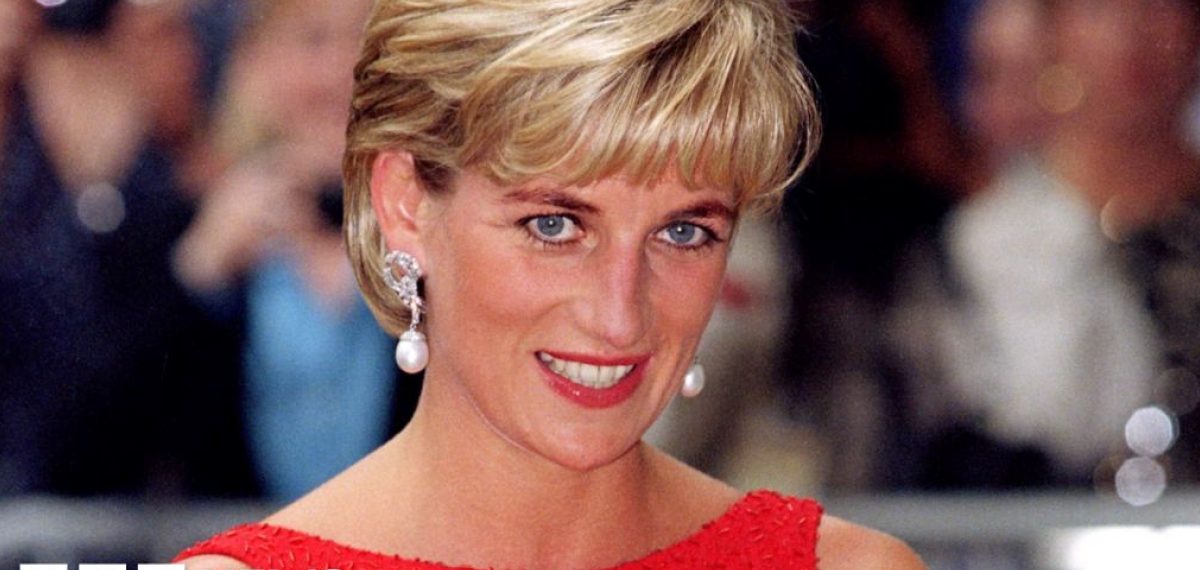
Earl Spencer’s new memoir accuses the then Prince Charles of callous remarks after Diana, Princess of Wales’s 1997 death, prompting Buckingham Palace to dispute the account and reopening debates about the Royal Family’s conduct during that period.
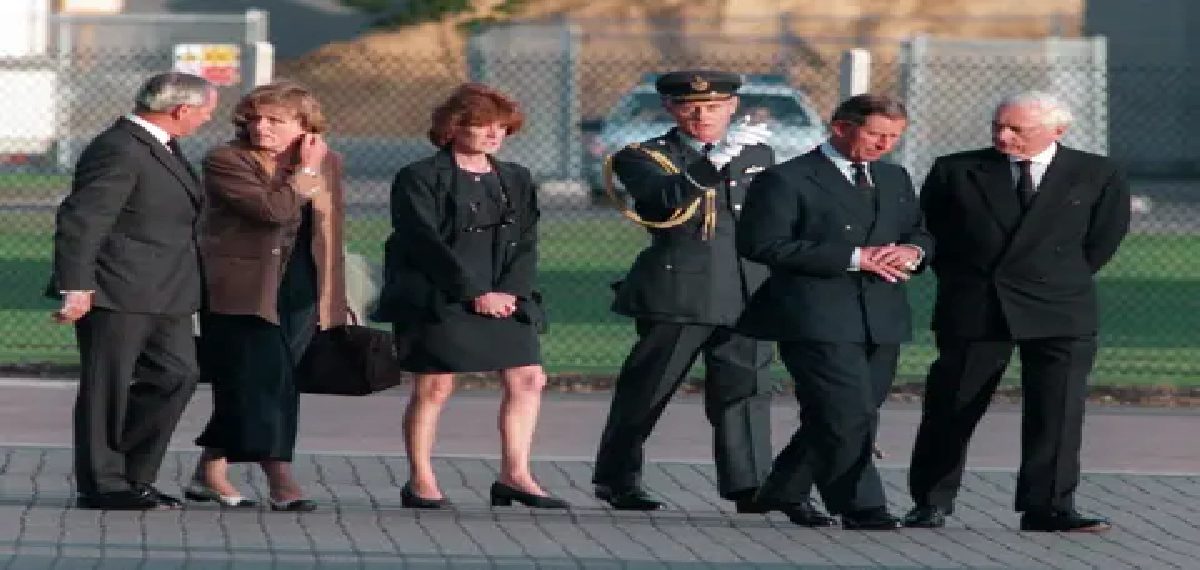
The book alleges that Prince Charles told Earl Spencer “We’ll forget her soon enough” and appeared “giddily elated” after news of Diana’s death, claims the Palace said it did not recognise. Buckingham Palace’s statement noted the possibility that “the pain of fraternal grief can cloud reason, affect judgment and colour memory.”
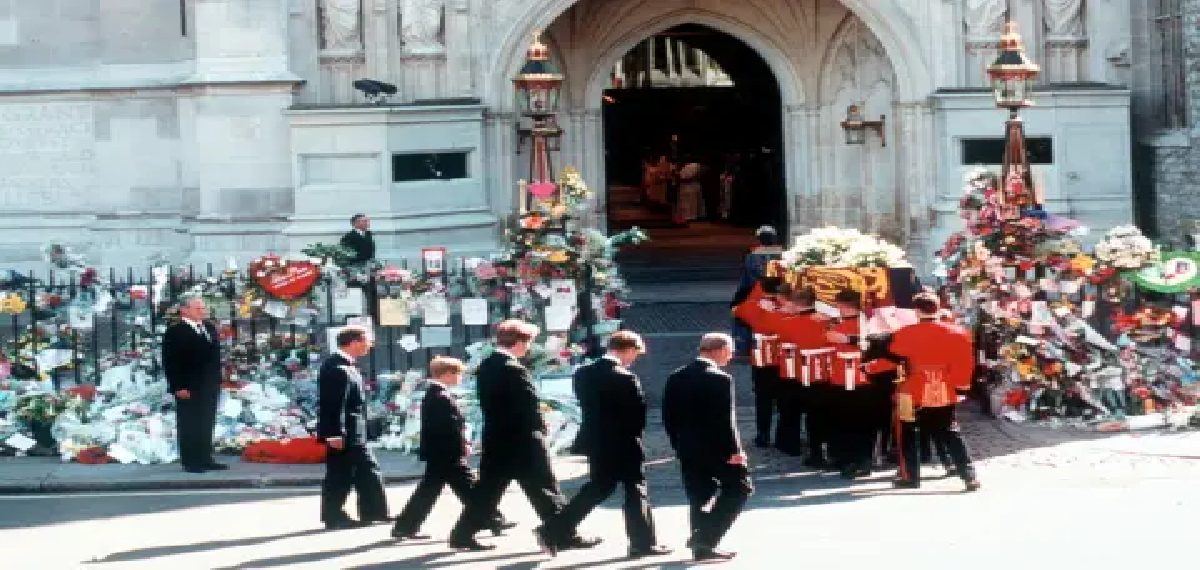
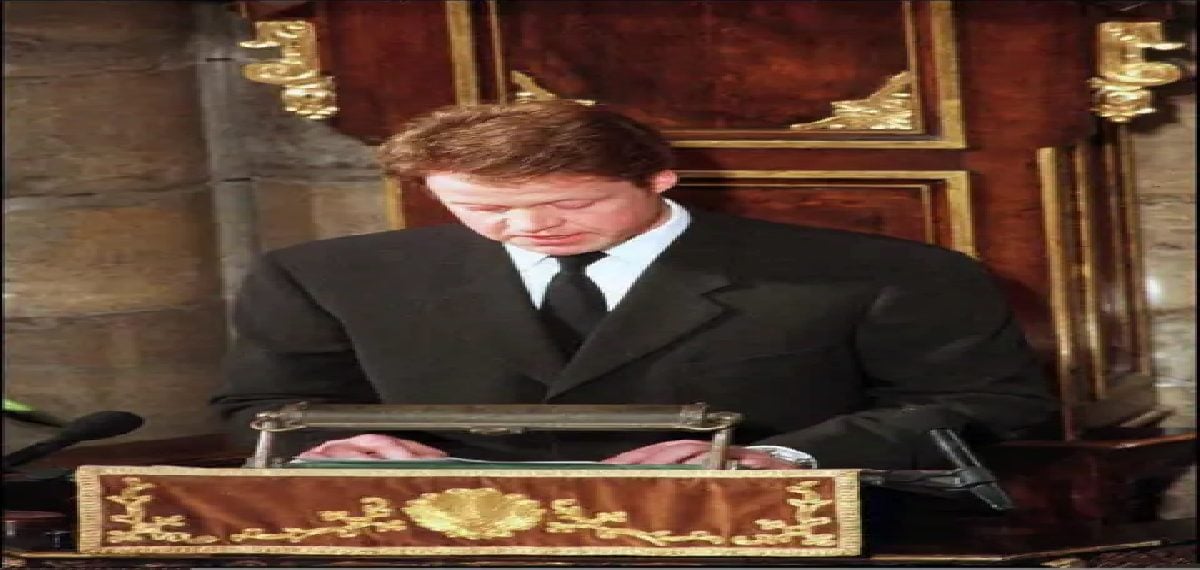
Royal author Valentine Low recalled the intense public reaction around Diana’s funeral and Earl Spencer’s eulogy, describing applause inside Westminster Abbey that surprised attendees and highlighted public anger toward the Palace at the time.
Prince Charles’s televised tribute and the later address by the late Queen Elizabeth were cited in the source text as official responses in the immediate aftermath. Tony Blair’s role in prompting a direct message from the monarch was mentioned as part of the public narrative at the time.
The memoir has reignited long-running divisions over how the Royal Family handled Diana’s death, as reflected in public reaction, contemporary accounts of the funeral and the Palace’s rebuttal. The book’s insider perspective and Earl Spencer’s insistence on the accuracy of his recollection have driven renewed media attention and public debate based on the documented claims.
Psychotherapist Nick Hatter was cited explaining that grief can produce differing recollections and behaviours, including states described as hyper or euphoric after a loss. A YouGov poll referenced in the text found public opinion divided on the credibility of Earl Spencer’s allegations.
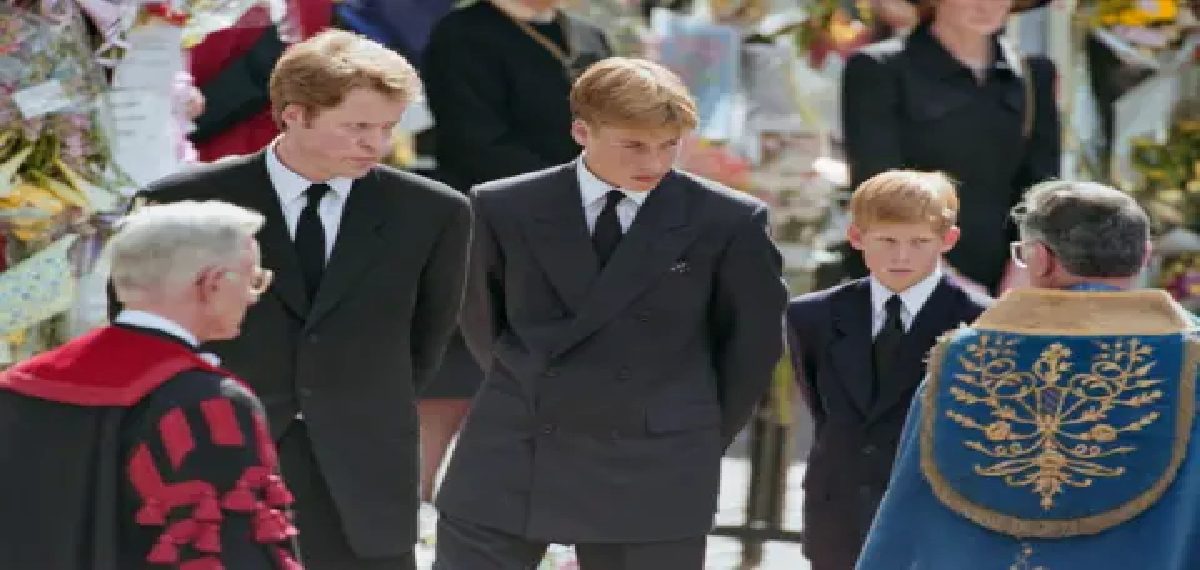
Prince Harry’s memoir Spare was noted in the source material as emphasising Diana’s absence and reporting family disputes over the princes walking behind their mother’s coffin, with Earl Spencer said to have opposed the decision.
Buckingham Palace’s measured rebuttal framed the disagreement as potentially affected by grief, and commentators quoted in the source material cautioned that opinions about Charles and the Diana years remain entrenched among the public.
Earl Spencer has defended his account in interviews, reiterating the accuracy of the words he attributes to the then Prince Charles and stressing his recollection of the conversation.