22 Eylül 2026
az bulutlu


Authorities remove illegally parked cars blocking Shroove beach access, restoring safe entry and enforcing parking rules to protect local visitors.

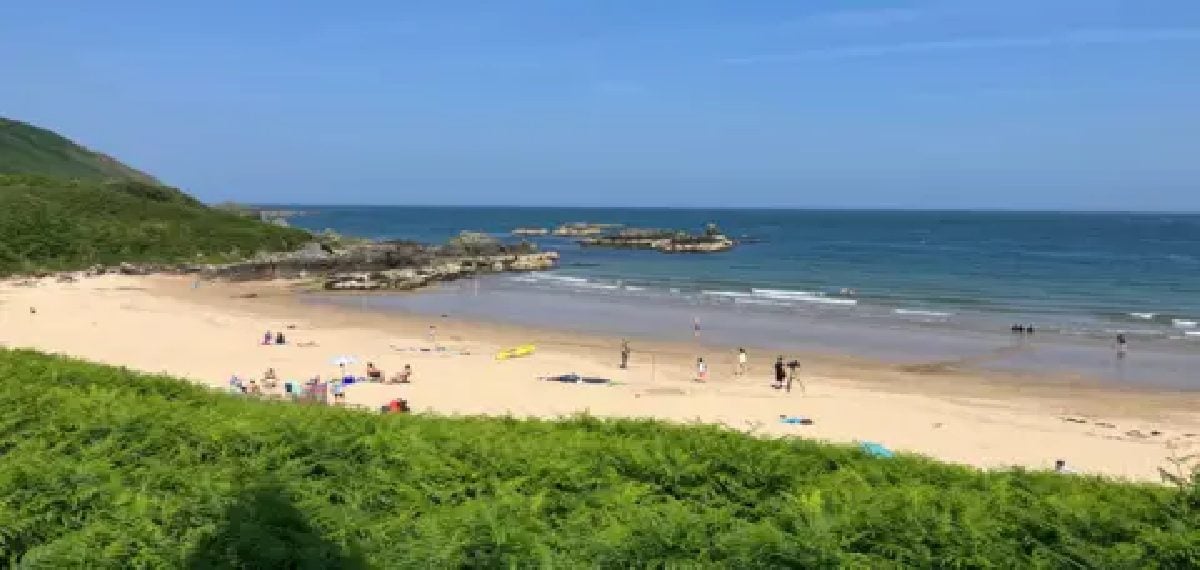
Gardaí seized two cars at Shroove (also called Stroove or Shrove) on the Wild Atlantic Way after widespread illegal parking narrowed the single-track road and risked blocking emergency access, local Sinn Féin councillor Terry Crossan said on Wednesday. The incident, near the Blue Flag beach overlooked by Shroove Lighthouse close to Greencastle on the Inishowen Peninsula, followed repeated reports of vehicles parked on newly installed double-yellow lines.
Crossan said visitors are welcome but must park legally and responsibly, warning that the narrow road in and out of Shroove becomes heavily congested in warm weather with many people travelling from Derry and surrounding areas. He described the situation until recently as “chaos and pandemonium” and welcomed a more proactive enforcement of the Road Traffic Act by the guards.
Gardaí have warned emergency services could be prevented from reaching the area if vehicles continued to obstruct the road, creating a potential risk to life. Local bus services were suspended this week because of the traffic volumes, and Donegal County Council temporarily closed Downings Beach on Garda advice after large numbers of cars gathered there.
Shroove Beach sits near the mouth of Lough Foyle between Inishowen in County Donegal and County Londonderry. Its sandy shore, scenic views and historic lighthouse make it a popular destination for swimming and short coastal walks, drawing both locals and tourists from across the border.
Tourists and locals interviewed at the beach described inconsistent signage and insufficient parking capacity as key problems. Katherine Moloney, visiting from Massachusetts, said tourists may not notice parking restrictions and that clearer signage would help. Sophia Hegarty said she arrived early to avoid the worst of the crowds, while Nicole O’Neill from Londonderry called for a larger car park to reduce stress for families and lower the risk of blocked access for emergency vehicles.
The seizures and recent enforcement signal a shift from tolerance to active policing of roadside parking, which could reduce immediate safety hazards but may displace pressure onto nearby villages and minor roads. In the short term, stricter enforcement and temporary service suspensions protect emergency access; in the medium term, local authorities may face rising calls to invest in designated parking facilities, improved signage and visitor management to balance tourism benefits with resident safety and traffic flow.
Economically, unmanaged parking undermines the visitor experience and could deter repeat tourism on busy days, while infrastructure investments would require council funding or traffic-management partnerships with regional tourism bodies. Socially, better planning could ease tensions between day-trippers and locals who already face congestion on narrow coastal roads.