25 Temmuz 2026
hafif yağmur


Experts explain how brown lawns and wilted borders naturally recover after drought, with practical advice for resilient, healthy landscapes.
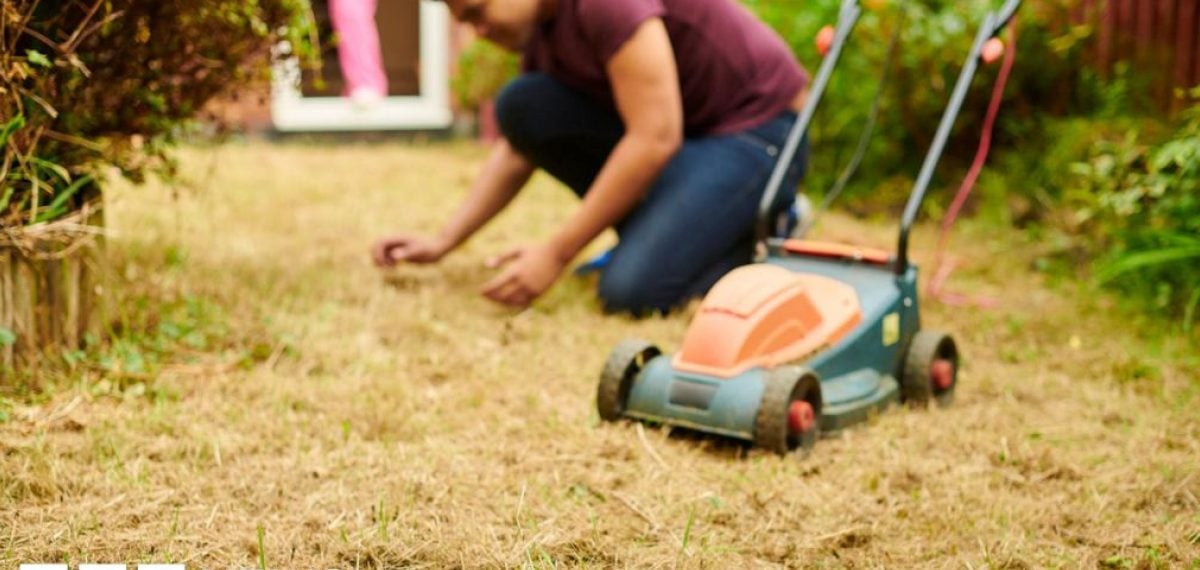
Many UK gardens have turned brown and parched after successive heatwaves, yet experts tell BBC reporters that lawns and many borders will revive once rain returns, advising restraint and simple care in the meantime.
John Cushing of Goldstone Hall Hotel & Gardens in Shropshire said grass is resilient and typically survives drought by going dormant, adding that owners should generally “do nothing” apart from trimming seed heads to prevent spread. Darren Rudge, the BBC’s Laughing Gardener, echoed this view, saying roots remain alive and visible damage is often temporary.
Gardeners recommend passive recovery measures rather than immediate repairs. Daniel Puicar, head gardener at Middleton Hall and Gardens near Tamworth, advised raking or scarifying lawns to remove moss and broken crusts so water soaks in more effectively. He also suggested aerating with a garden fork to create channels for moisture and using wetting agents sold at garden centres.
Garden designer Jon Norman cautioned against hasty interventions once rain arrives, noting soil needs time to rehydrate. He advised avoiding fertiliser on stressed grass, raising mower blades slightly, and postponing repairs to bare patches until early autumn when conditions are cooler and consistently moist.
For flower beds and potted plants, Marie and Tony Newton of Four Seasons Garden in Walsall recommended watering during the coolest parts of the day—late evening or early morning—to reduce evaporation and protect foliage. They also advised trimming perennials, deadheading blooms, avoiding transplanting during drought and moving pots out of direct sun where possible.
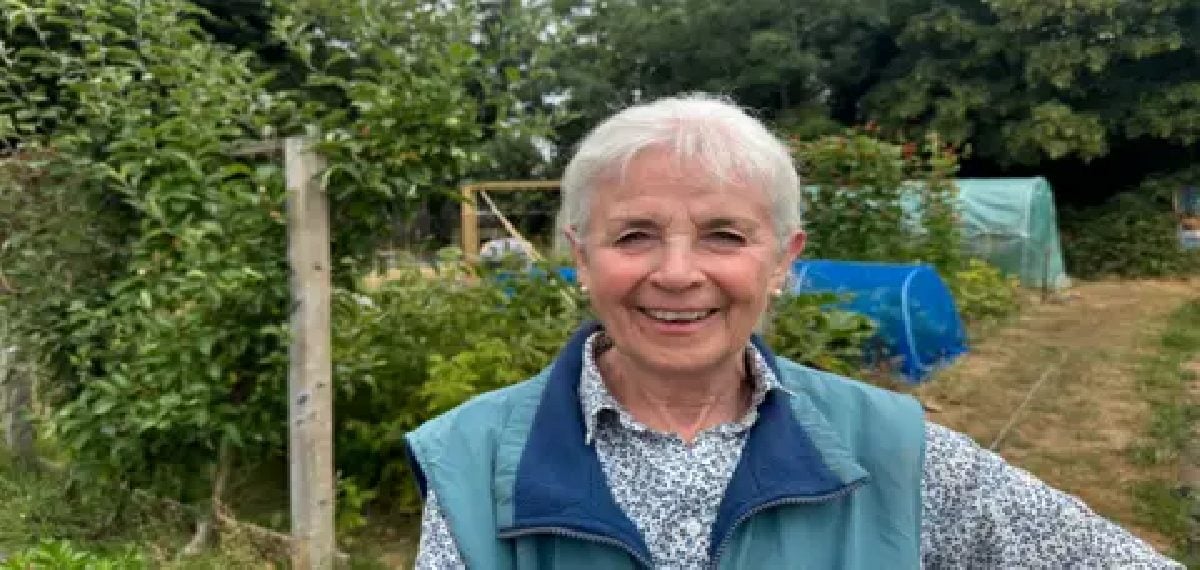
Growers of fruit and vegetables face harder choices. Allotmenteer Maggie Bull from Telford said she waters sparingly where needed to avoid losing crops after a season of work. Darren Rudge recommended directing limited water to young and recently planted specimens, using a watering can rather than a hose to control use.
Lawns across affected UK regions are widely dormant rather than dead, and expert advice in the article consistently emphasizes passive recovery, targeted watering for vulnerable plants, and delaying major lawn repairs until moisture and growth return. Practical measures such as scarifying, aeration and careful timing of watering and mowing are highlighted as effective responses contained in the original reporting.