25 Eylül 2026
parçalı az bulutlu


Festivals expand wellness offerings—spas, yoga and run clubs—making wellbeing a central attraction for attendees seeking restorative experiences.
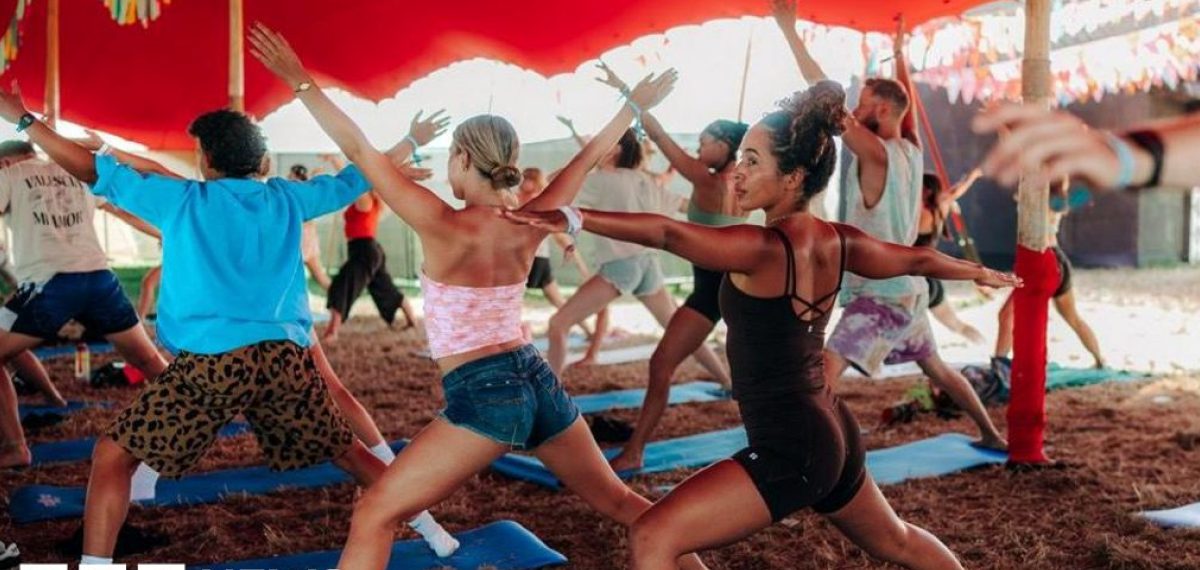
Music festivals that once meant muddy fields and late‑night drinking are reshaping their lineups around wellbeing: organisers report a surge in demand for yoga sessions, run clubs, saunas and boutique spas as attendees seek both headline euphoria and moments of calm.
Boardmasters in Newquay, Cornwall, said wellness is now central to its offer rather than a niche add‑on. The festival has expanded programmes to include run clubs, sound baths, Pilates, jewellery and candle‑making workshops, and for 2026 it will open a boutique spa with treatment tents, facials and aromatherapy described as “moments of serenity” for visitors.
Attendees are increasingly keen to “maintain their at‑home rituals” while at events, organisers said, combining big name sets with morning yoga on the cliffs to recharge between performances. Run clubs have become a staple: one participant, Lizzy McNamara from Pembrokeshire, praised Boardmasters’ three‑day run group as welcoming and a healthy counterpoint to festival food and little sleep.
Organisers of smaller, dedicated wellbeing events are also seeing growth. Alex Hyde and Sam Carter‑Smith launched the one‑day OneRetreat Wellness in Birmingham to make retreats easier to fit into busy lives; the programme mixes exercise classes, sauna sessions and expert talks to offer an in‑person alternative to online formats.
Market analysts note that consumers are spending more on wellness: the Global Wellness Institute estimates the UK industry is worth over £160bn and that average consumer spending rose roughly a third between 2019 and 2024. Brands and events are responding by embedding wellbeing into mainstream festival experiences rather than treating it as an optional extra.
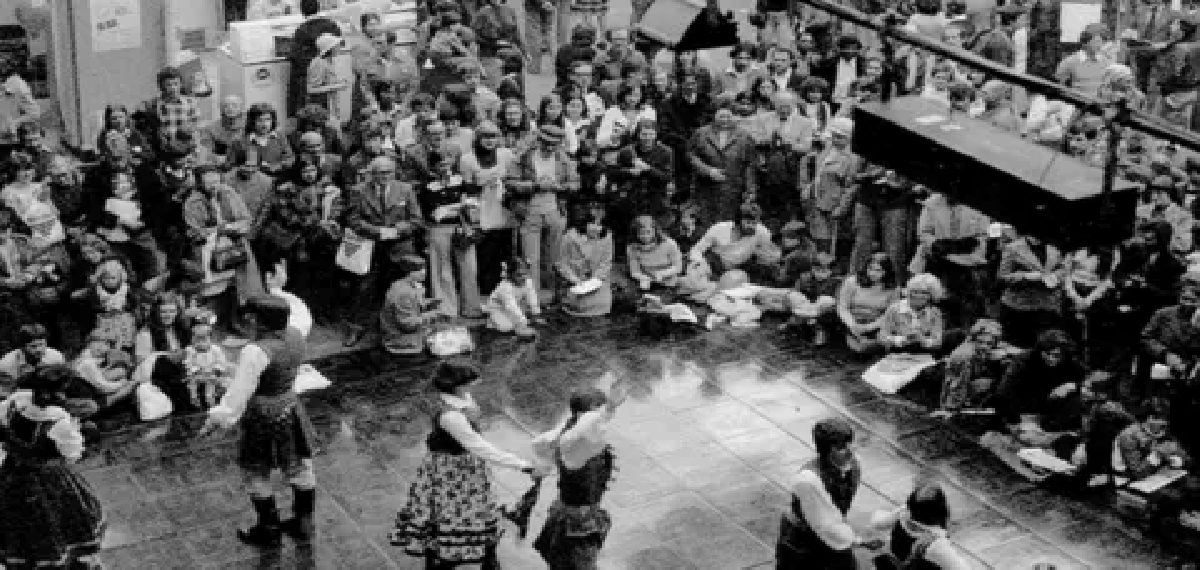
The Mind Body Spirit Festival, founded in London in 1977 to explore mind‑body‑spirit connections, exemplifies the long history of public interest in wellness. Its current editions attract more than 30,000 visitors annually, with exhibitors offering organic food, crystals and wellness products; organisers say many attendees leave feeling inspired or motivated to address anxiety or depression.
Embedding wellness into mass events reflects broader shifts in consumer priorities and festival economics. For organisers, adding health‑oriented programming diversifies revenue streams and lengthens the appeal beyond headline acts, attracting visitors who plan their attendance around both music and self‑care. For the public, accessible wellbeing at festivals can lower barriers to healthy habits by normalising short, social forms of exercise and recovery.
On a societal level, the trend signals growing demand for experiences that balance stimulation with restoration. The move also highlights how events must innovate to justify rising ticket prices and compete in a crowded live‑entertainment market where consumers weigh atmosphere, amenities and wellness offerings alongside lineups.