
23 Kasım 2026
açık


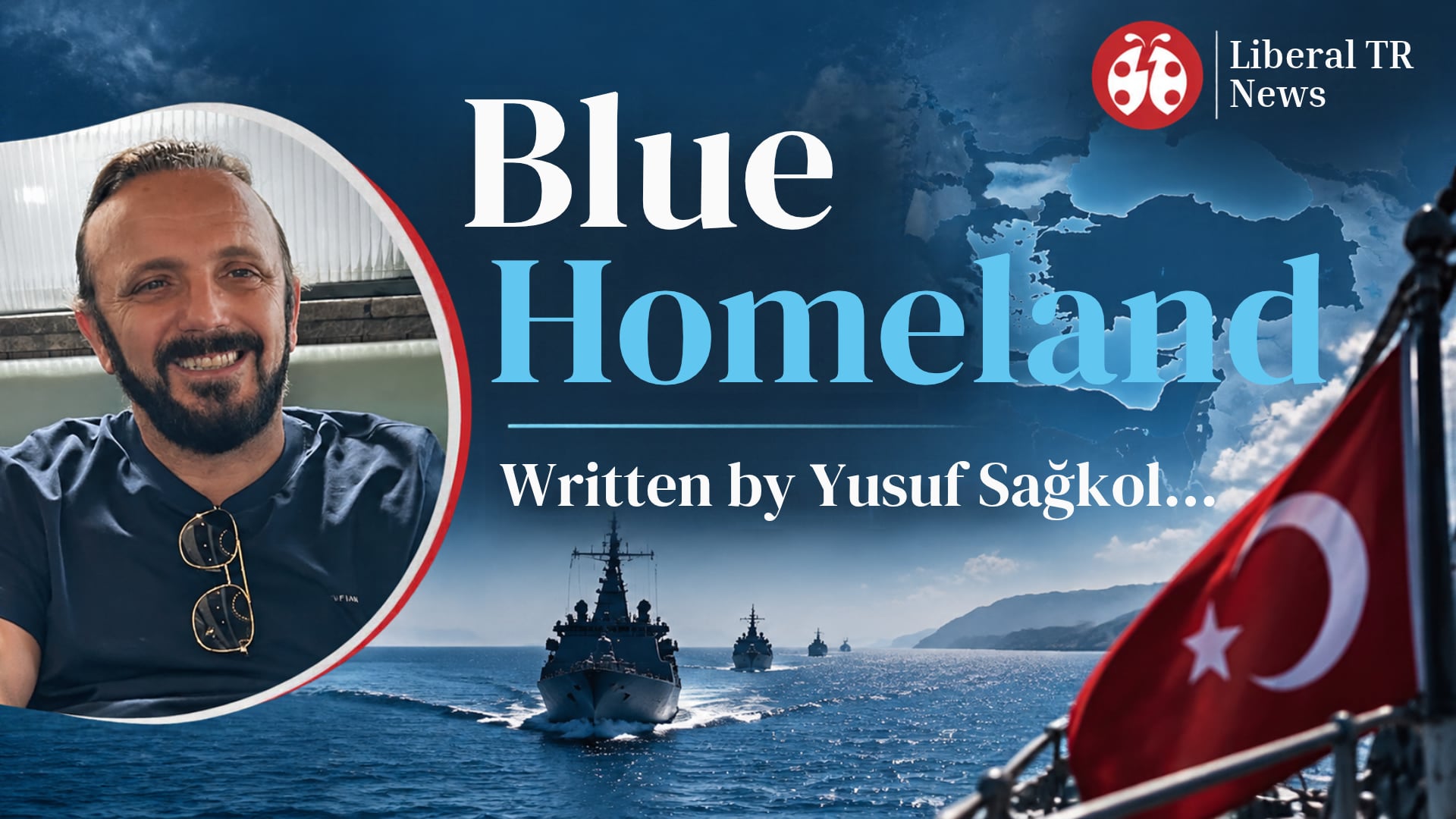
The Blue Homeland is a doctrine aimed at defining and protecting Türkiye’s sovereign rights in the seas, particularly in relation to neighboring countries across the Aegean Sea, the Mediterranean Sea and the Black Sea.
It is, in fact, a relatively new concept in the implementation of Turkish foreign policy. Officially established in 2005, the Blue Homeland has since become an integral part of Türkiye’s sovereign rights and national interests.
Turkish foreign policy architects have increasingly pursued policies aimed at declaring, asserting and exercising the country’s rights over maritime areas and the economic resources beneath the seabed. The Memorandum of Understanding on the Delimitation of Maritime Jurisdiction Areas between Türkiye and Libya, signed last October, is the latest concrete example of these policies.
Under international law, concepts such as the continental shelf, territorial waters and exclusive economic zones are particularly important in defining maritime jurisdiction. These issues can lead to serious military and political tensions between countries with closely situated coastlines or islands, islets and even small rocks located near one another’s maritime boundaries. The Kardak (Imia) Crisis of December 1995, which brought Türkiye and Greece to the brink of war, is a striking example.
That crisis raised awareness of the gaps and uncertainties surrounding the limits of Türkiye’s sovereignty at sea. However, the Blue Homeland concept began to find its place in Turkish foreign policy in a more systematic and comprehensive manner only after 2005.
The strategic importance of the Blue Homeland should be assessed in light of several key factors:
When examining Turkish foreign policy and following regional developments, greater attention must be paid to the concept of the Blue Homeland.
This is particularly important for a country surrounded by seas on three sides, which should, in fact, possess the capabilities and strategic strength of a maritime nation.